Teresa Gowan - Böcker
Visar alla böcker från författaren Teresa Gowan. Handla med fri frakt och snabb leverans.
2 produkter
2 produkter
259 kr
Skickas inom 7-10 vardagar
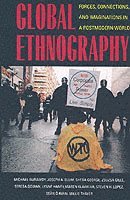
In this follow-up to the highly successful "Ethnography Unbound", Michael Burawoy and nine colleagues break the bounds of conventional sociology, to explore the mutual shaping of local struggles and global forces. In contrast to the lofty debates between radical theorists, these nine studies excavate the dynamics and histories of globalization by extending out from the concrete, everyday world. The authors were participant observers in diverse struggles over extending citizenship, medicalizing breast cancer, dumping toxic waste, privatizing nursing homes, the degradation of work, the withdrawal of welfare rights, and the elaboration of body politics. From their insider vantage points, they show how groups negotiate, circumvent, challenge, and even re-create the complex global web that entangles them. Traversing continents and extending over three years, this collaborative research developed its own distinctive method of 'grounded globalization' to grasp the evaporation of traditional workplaces, the dissolution of enclaved communities, and the fluidity of identities.Forged between the local and global, these compelling essays make a powerful case for ethnography's insight into global dynamics.
256 kr
Skickas inom 7-10 vardagar
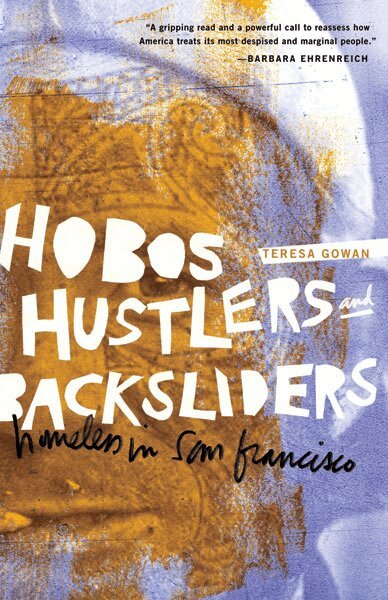
Winner of the 2011 Robert Park Award for the Best Book in Community and Urban Sociology, American Sociological Association, 2011Co-winner of the 2011 Mary Douglas Prize for Best Book in the Sociology of Culture, American Sociological Association, 2011When homelessness reemerged in American cities during the 1980s at levels not seen since the Great Depression, it initially provoked shock and outrage. Within a few years, however, what had been perceived as a national crisis came to be seen as a nuisance, with early sympathies for the plight of the homeless giving way to compassion fatigue and then condemnation. Debates around the problem of homelessness-often set in terms of sin, sickness, and the failure of the social system-have come to profoundly shape how homeless people survive and make sense of their plights. In Hobos, Hustlers, and Backsliders, Teresa Gowan vividly depicts the lives of homeless men in San Francisco and analyzes the influence of the homelessness industry on the streets, in the shelters, and on public policy. Gowan shows some of the diverse ways that men on the street in San Francisco struggle for survival, autonomy, and self-respect. Living for weeks at a time among homeless men-working side-by-side with them as they collected cans, bottles, and scrap metal; helping them set up camp; watching and listening as they panhandled and hawked newspapers; and accompanying them into soup kitchens, jails, welfare offices, and shelters-Gowan immersed herself in their routines, their personal stories, and their perspectives on life on the streets. She observes a wide range of survival techniques, from the illicit to the industrious, from drug dealing to dumpster diving. She also discovered that prevailing discussions about homelessness and its causes-homelessness as pathology, homelessness as moral failure, and homelessness as systemic failure-powerfully affect how homeless people see themselves and their ability to change their situation. Drawing on five years of fieldwork, this powerful ethnography of men living on the streets of the most liberal city in America, Hobos, Hustlers, and Backsliders, makes clear that the way we talk about issues of extreme poverty has real consequences for how we address this problem-and for the homeless themselves.