Thea Ravasi – författare
Visar alla böcker från författaren Thea Ravasi. Handla med fri frakt och snabb leverans.
2 produkter
2 produkter
453 kr
Tillfälligt slut
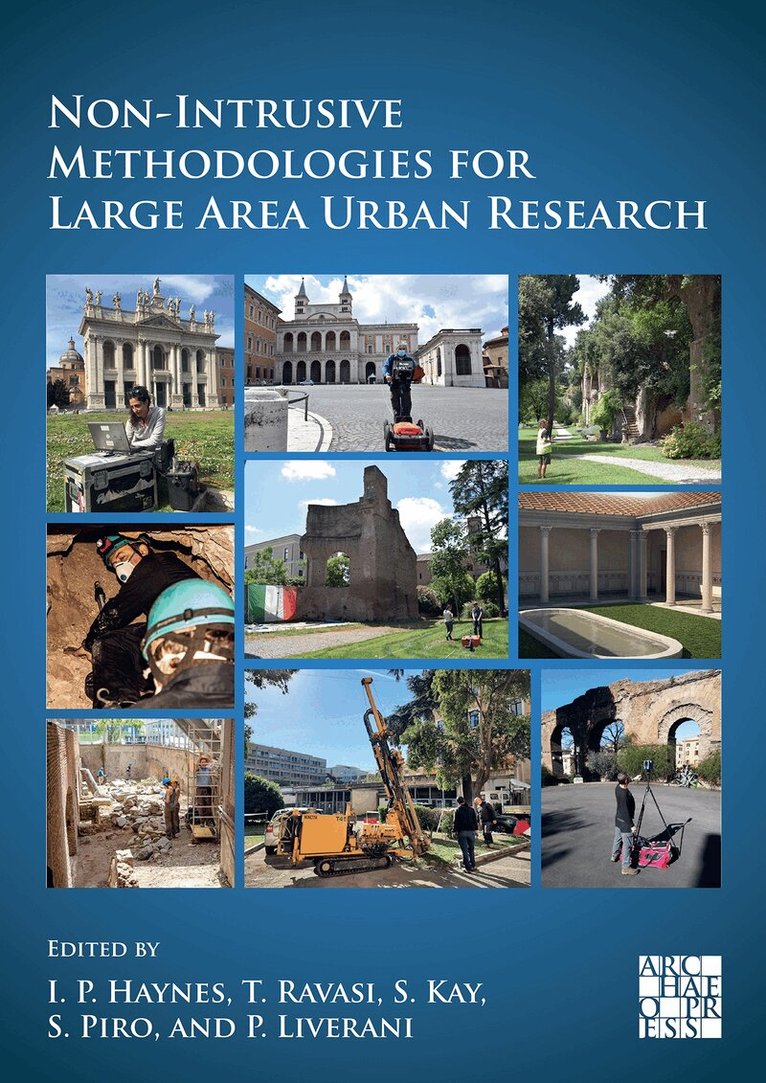
Non-Intrusive Methodologies for Large Area Urban Research brings together contributions from a conference held in 2021 in association with the ERC-funded ‘Rome Transformed’ research project. The papers address a major challenge in archaeology. Non-intrusive research in pursuit of a deeper understanding of urban areas can be both richly informative and cost-effective. Multiple successes in the field have led to an impressive array of innovative methodologies, methodologies that are frequently combined for still greater insight and impact. Geophysical surveys, the use of UAVs, the study of exposed historic structures and the exhaustive examination of archival records can all play a vital role, and the development of these data capture methodologies is of the utmost importance for the future of research. As well as advances in data capture methodologies, however, the papers also present case studies in the management of the big data generated and in the integration of different methodologies. A further strength of this collection lies in the range of site types considered. While many projects have historically pursued non-intrusive research in areas relatively clear of modern buildings, a growing number of research initiatives, such as ‘Rome Transformed’ are seeking to advance them in areas which remain densely occupied. Accordingly the material presented here will also be of interest to non-archaeologists working in such diverse fields as civil engineering, urban planning and physical geography.
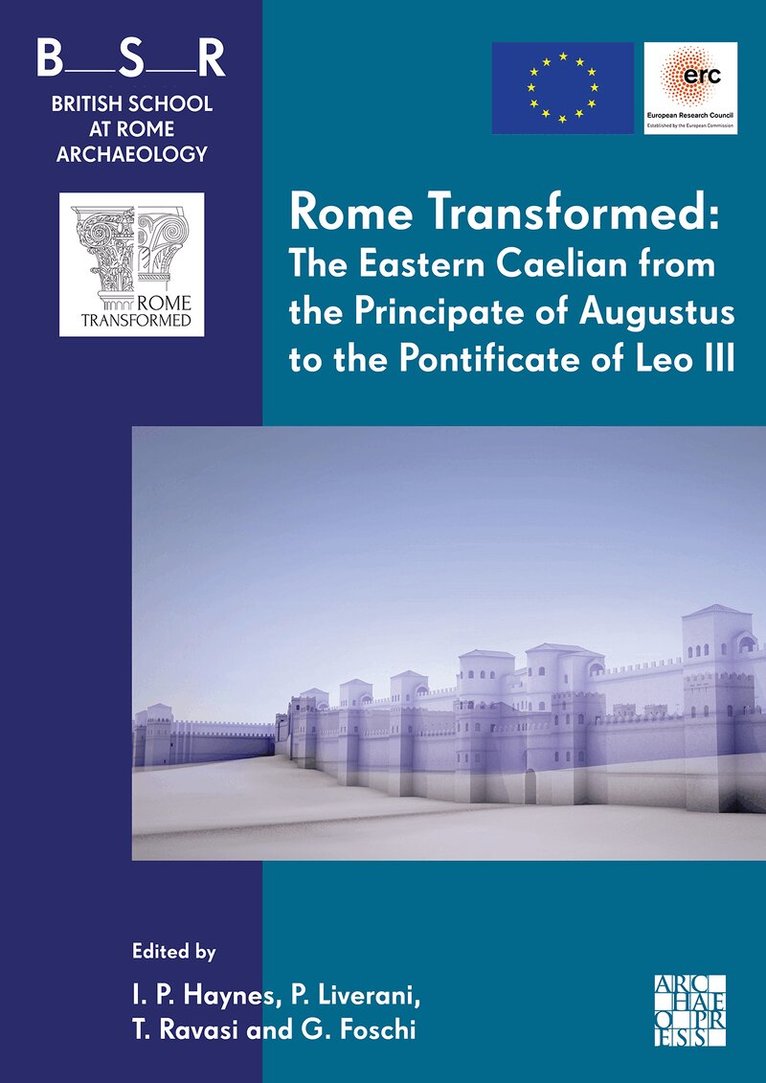
Rome Transformed: The Eastern Caelian from the Principate of Augustus to the Pontificate of Leo III
Häftad, Engelska, 2026
715 kr
Kommande
Over eight centuries, from the principate of Augustus to the pontificate of Leo III, the eastern Caelian and its environs went from being on the margins of the imperial city to becoming the centre of papal power. This volume is the first to examine the multiple changes and innovations that marked the area’s evolution from a classical to a late antique city. It brings together findings from the Rome Transformed Project alongside contributions from other specialist collaborators to illuminate and contextualise evidence of political, religious, military, and economic life.Drawing on archival, archaeological, environmental, and geophysical analyses produced for Rome Transformed, this book shows that far from being peripheral to the story of the city, this area—much of which lay beyond the pomerium—was shaped by influential episodes of lavish investment and remarkable creativity. The built landscape of south-east Rome was not simply reshaped by new ideas about power, belief, and security; it became a formative place where such ideas were generated, interwoven, and promoted.Exploring these ideas is not simply a matter of studying imperial intervention; it also involves deepening our understanding of the lives of the diverse people who lived here. Making extensive use of the ‘provocation’ visualisations created by the Rome Transformed Project, this volume invites us to reflect on the buildings and spaces encountered by successive generations of inhabitants and visitors in their daily lives.The Rome Transformed Project has received funding from the European Research Council (ERC) under H2020-EU.1.1., the European Union’s Horizon 2020 research and innovation programme (Grant agreement No.: 835271)