Theodora Dragostinova - Böcker
Visar alla böcker från författaren Theodora Dragostinova. Handla med fri frakt och snabb leverans.
3 produkter
3 produkter
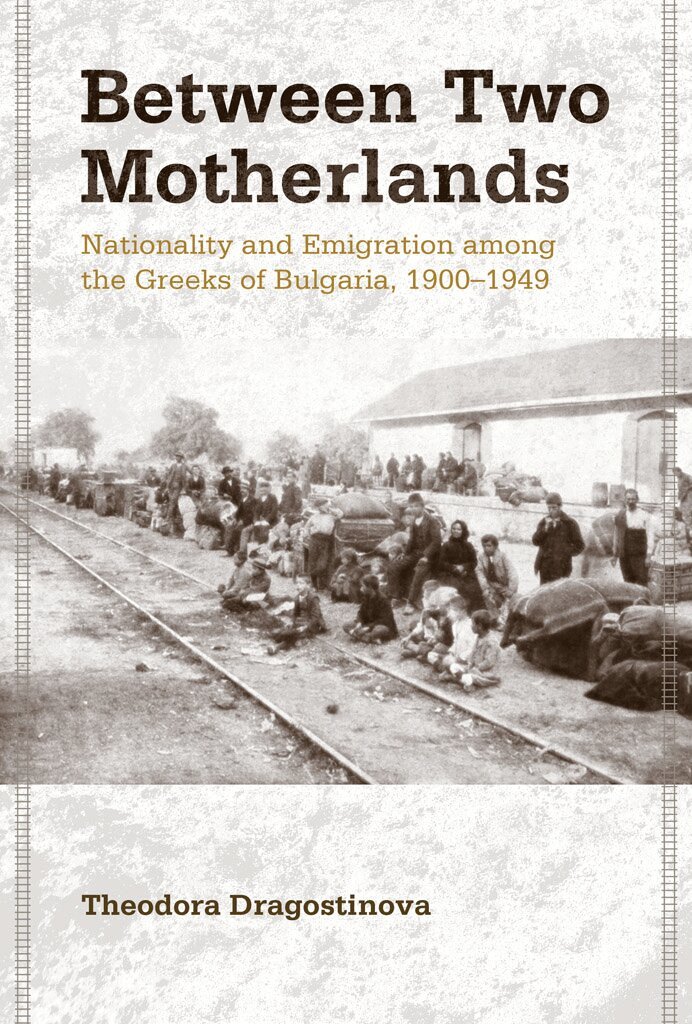
Between Two Motherlands
Nationality and Emigration Among the Greeks of Bulgaria, 1900–1949
Inbunden, Engelska, 2011
708 kr
Skickas inom 10-15 vardagar
In 1900, some 100,000 people living in Bulgaria—2 percent of the country's population—could be described as Greek, whether by nationality, language, or religion. The complex identities of the population—proud heirs of ancient Hellenic colonists, loyal citizens of their Bulgarian homeland, members of a wider Greek diasporic community, devout followers of the Orthodox Patriarchate in Istanbul, and reluctant supporters of the Greek government in Athens—became entangled in the growing national tensions between Bulgaria and Greece during the first half of the twentieth century. In Between Two Motherlands, Theodora Dragostinova explores the shifting allegiances of this Greek minority in Bulgaria. Diverse social groups contested the meaning of the nation, shaping and reshaping what it meant to be Greek and Bulgarian during the slow and painful transition from empire to nation-states in the Balkans. In these decades, the region was racked by a series of upheavals (the Balkan Wars, World War I, interwar population exchanges, World War II, and Communist revolutions). The Bulgarian Greeks were caught between the competing agendas of two states increasingly bent on establishing national homogeneity. Based on extensive research in the archives of Bulgaria and Greece, as well as fieldwork in the two countries, Dragostinova shows that the Greek population did not blindly follow Greek nationalist leaders but was torn between identification with the land of their birth and loyalty to the Greek cause. Many emigrated to Greece in response to nationalist pressures; others sought to maintain their Greek identity and traditions within Bulgaria; some even switched sides when it suited their personal interests. National loyalties remained fluid despite state efforts to fix ethnic and political borders by such means as population movements, minority treaties, and stringent citizenship rules. The lessons of a case such as this continue to reverberate wherever and whenever states try to adjust national borders in regions long inhabited by mixed populations.
286 kr
Skickas
In The Cold War from the Margins, Theodora K. Dragostinova reappraises the global 1970s from the perspective of a small socialist state—Bulgaria—and its cultural engagements with the Balkans, the West, and the Third World. During this anxious decade, Bulgaria's communist leadership invested heavily in cultural diplomacy to bolster its legitimacy at home and promote its agendas abroad. Bulgarians traveled the world to open museum exhibitions, show films, perform music, and showcase the cultural heritage and future aspirations of their "ancient yet modern" country. As Dragostinova shows, these encounters transcended the Cold War's bloc mentality: Bulgaria's relations with Greece and Austria warmed, émigrés once considered enemies were embraced, and new cultural ties were forged with India, Mexico, and Nigeria. Pursuing contact with the West and solidarity with the Global South boosted Bulgaria's authoritarian regime by securing new allies and unifying its population. Complicating familiar narratives of both the 1970s and late socialism, The Cold War from the Margins places the history of socialism in an international context and recovers alternative models of global interconnectivity along East-South lines.Thanks to generous funding from The Ohio State University Libraries and its participation in TOME (Toward an Open Monograph Ecosystem), the ebook editions of this book are available as Open Access volumes from Cornell Open (cornellpress.cornell.edu/cornell-open) and other repositories.
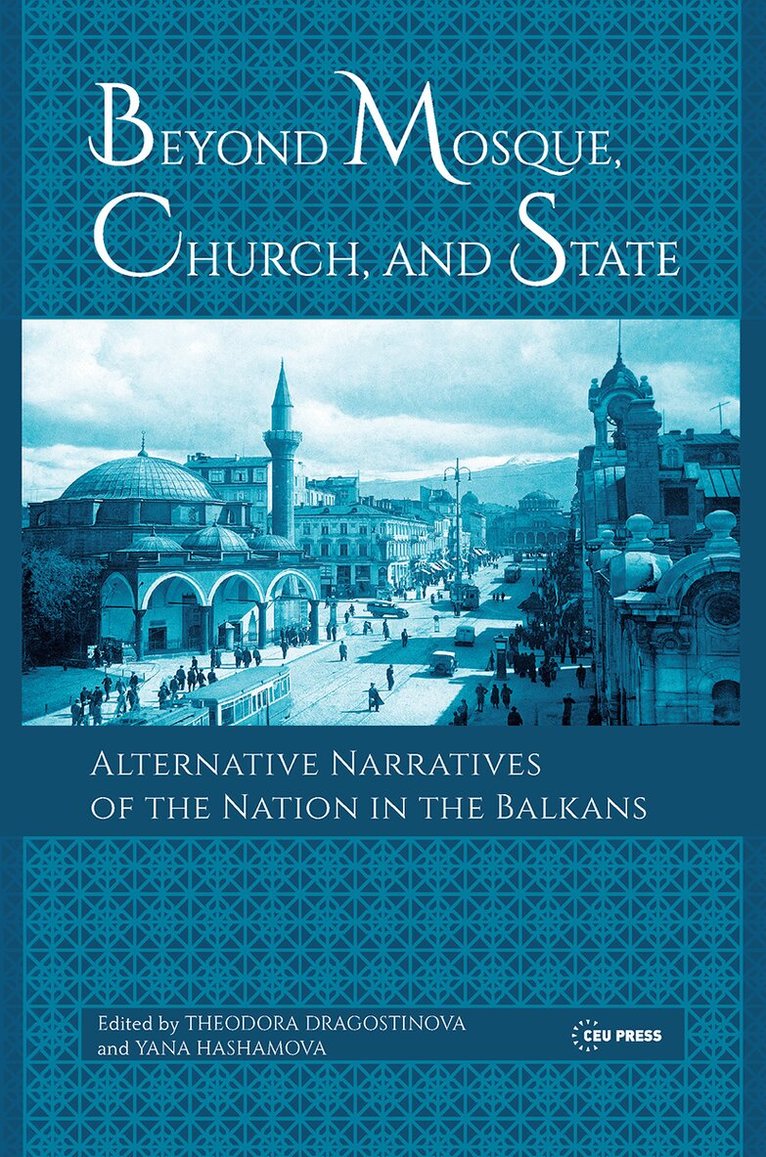
Beyond Mosque, Church, and State
Alternative Narratives of the Nation in the Balkans
Inbunden, Engelska, 2016
1 725 kr
Skickas inom 10-15 vardagar
Journalists and policy-makers in the West have often assumed that the religious and ethno-national heterogeneity of the Balkans is the underlying reason for the numerous problems the area has faced throughout the twentieth century. The multiple and turbulent political transitions in the area, the dynamics of the interaction between Christianity and Islam, the contradictory and constantly shifting nationality policies, and the fluctuating identities of the diverse populations continue to be seen as major challenges to the stability of the region. By exploring the development of intricate religious, linguistic, and national dynamics in a variety of case studies throughout the Balkans, this volume demonstrates the existence of alternatives and challenges to nationalism in the area. The authors analyze a variety of national, non-national, and anti-national(ist) encounters in four areas—Bosnia, Bulgaria, Macedonia, and Albania—traditionally seen as “hot-beds” of nationalist agitation and tension resulting from their populations' religious or ethno-national diversity. In their entirety, the contributions in this volume chart a more complex picture of the national dynamics. The authors recognize the existence of national tensions both in historical perspective and in contemporary times, but also suggest the possibility of different paths to the nation that did not involve violence but allowed for national accommodation and reconciliation.