Theresa MacPhail - Böcker
Visar alla böcker från författaren Theresa MacPhail. Handla med fri frakt och snabb leverans.
5 produkter
5 produkter
258 kr
Skickas
336 kr
Skickas inom 3-6 vardagar
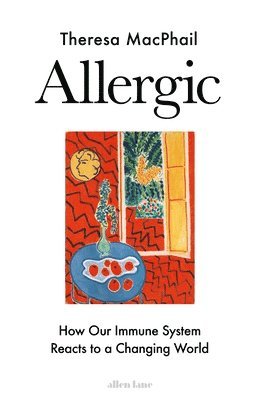
An “important and deeply researched” (The Wall Street Journal) exploration of allergies, from their first medical description in 1819 to the cutting-edge science that is illuminating the changes in our environment and lifestyles that are making so many of us sickHay fever. Peanut allergies. Eczema. Either you have an allergy or you know someone who does. Billions of people worldwide—an estimated 30 to 40 percent of the global population—have some form of allergy. Even more concerning, over the last decade the number of people diagnosed with an allergy has been steadily increasing, placing an ever-growing medical burden on individuals, families, communities, and healthcare systems.Medical anthropologist Theresa MacPhail, herself an allergy sufferer whose father died of a beesting, set out to understand why. In pursuit of answers, MacPhail studied the dangerous experiments of early immunologists as well as the mind-bending recent development of biologics and immunotherapies that are giving the most severely impacted patients hope. She scaled a roof with an air-quality controller who diligently counts pollen by hand for hours every day; met a mother who struggled to use WIC benefits for her daughter with severe food allergies; spoke with doctors at some of the finest allergy clinics in the world; and discussed the intersecting problems of climate change, pollution, and pollen with biologists who study seasonal respiratory allergies.This is the story of allergies: what they are, why we have them, and what that might mean about the fate of humanity in a rapidly changing world.
1 563 kr
Skickas inom 10-15 vardagar
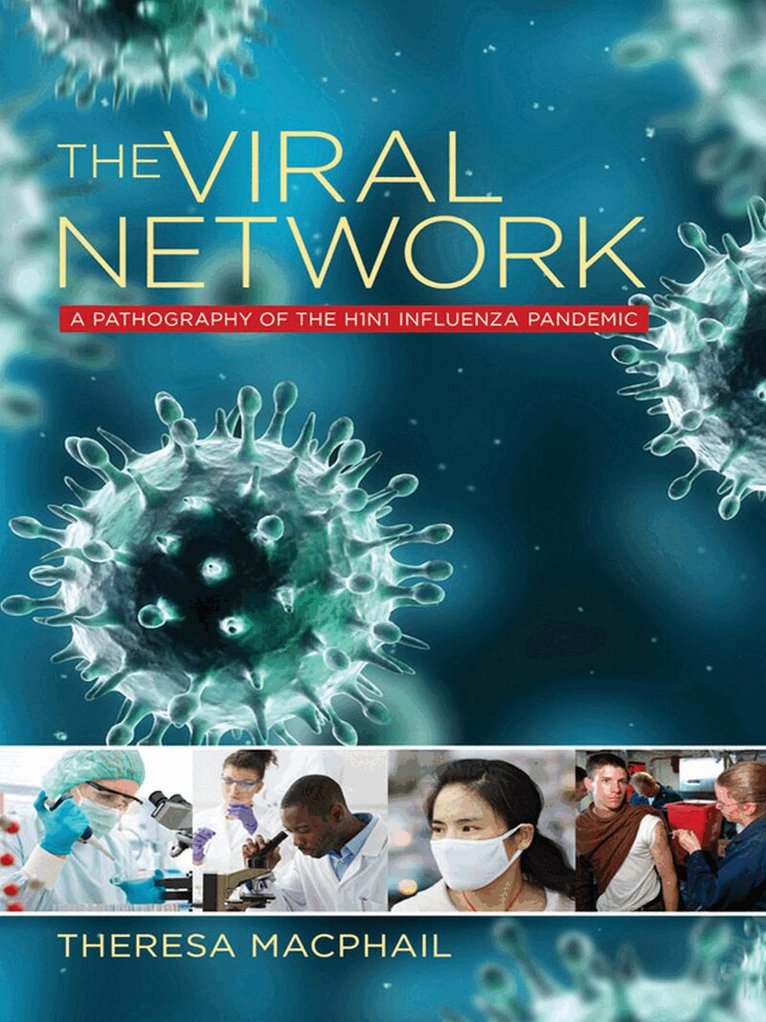
In The Viral Network, Theresa MacPhail examines our collective fascination with and fear of viruses through the lens of the 2009 H1N1 pandemic. In April 2009, a novel strain of H1N1 influenza virus resulting from a combination of bird, swine, and human flu viruses emerged in Veracruz, Mexico. The Director-General of the World Health Organization (WHO) announced an official end to the pandemic in August 2010. Experts agree that the global death toll reached 284,500. The public health response to the pandemic was complicated by the simultaneous economic crisis and by the public scrutiny of official response in an atmosphere of widespread connectivity. MacPhail follows the H1N1 influenza virus's trajectory through time and space in order to construct a three-dimensional picture of what happens when global public health comes down with a case of the flu. The Viral Network affords a rare look inside the U.S. Centers for Disease Control, as well as Hong Kong's virology labs and Centre for Health Protection, during a pandemic. MacPhail looks at the day-to-day practices of virologists and epidemiologists to ask questions about the production of scientific knowledge, the construction of expertise, disease narratives, and the different "cultures" of public health in the United States, Europe, Hong Kong, and China. The chapters of the book move from the micro to the macro, from Hong Kong to Atlanta, from the lab to the WHO, from the pandemic past in 1918 to the future. The various historical, scientific, and cultural narratives about flu recounted in this book show how biological genes and cultural memes become interwoven in the stories we tell during a pandemic. Ultimately, MacPhail argues that the institution of global public health is as viral as the viruses it tracks, studies, and helps to contain or eradicate. The "global" is itself viral in nature.
392 kr
Skickas inom 10-15 vardagar
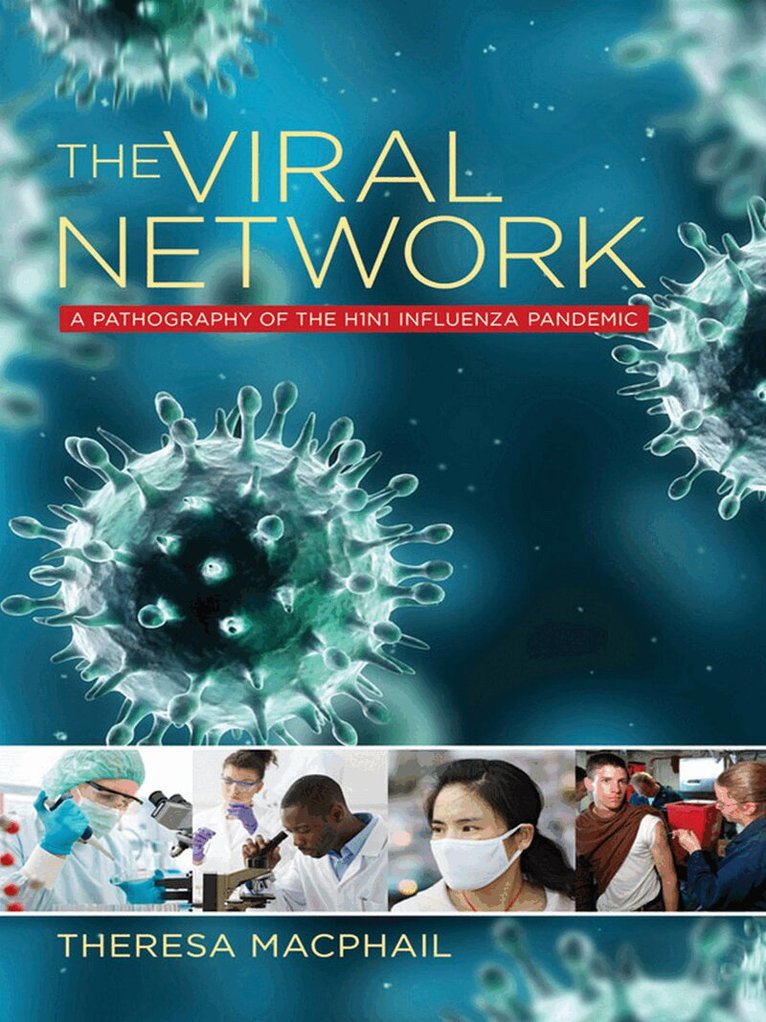
In The Viral Network, Theresa MacPhail examines our collective fascination with and fear of viruses through the lens of the 2009 H1N1 pandemic. In April 2009, a novel strain of H1N1 influenza virus resulting from a combination of bird, swine, and human flu viruses emerged in Veracruz, Mexico. The Director-General of the World Health Organization (WHO) announced an official end to the pandemic in August 2010. Experts agree that the global death toll reached 284,500. The public health response to the pandemic was complicated by the simultaneous economic crisis and by the public scrutiny of official response in an atmosphere of widespread connectivity. MacPhail follows the H1N1 influenza virus's trajectory through time and space in order to construct a three-dimensional picture of what happens when global public health comes down with a case of the flu. The Viral Network affords a rare look inside the U.S. Centers for Disease Control, as well as Hong Kong's virology labs and Centre for Health Protection, during a pandemic. MacPhail looks at the day-to-day practices of virologists and epidemiologists to ask questions about the production of scientific knowledge, the construction of expertise, disease narratives, and the different "cultures" of public health in the United States, Europe, Hong Kong, and China. The chapters of the book move from the micro to the macro, from Hong Kong to Atlanta, from the lab to the WHO, from the pandemic past in 1918 to the future. The various historical, scientific, and cultural narratives about flu recounted in this book show how biological genes and cultural memes become interwoven in the stories we tell during a pandemic. Ultimately, MacPhail argues that the institution of global public health is as viral as the viruses it tracks, studies, and helps to contain or eradicate. The "global" is itself viral in nature.
152 kr
Skickas
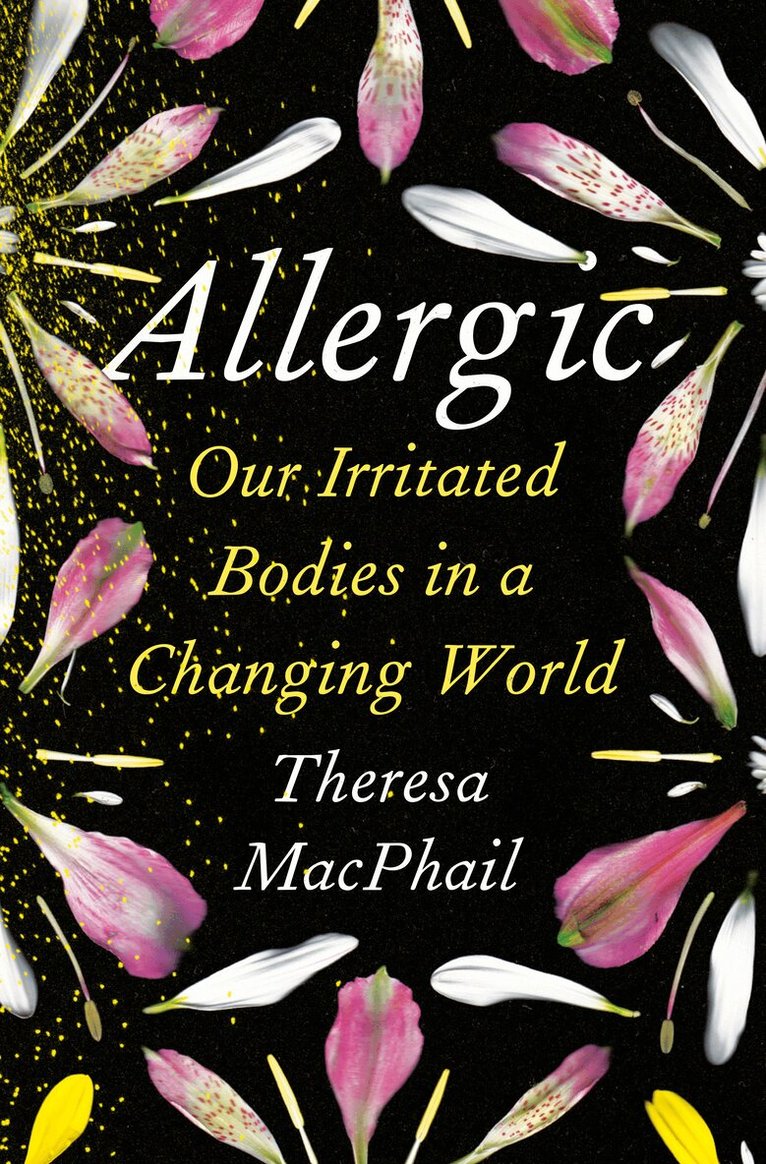
An eye-opening investigation - combining reporting, history and cutting-edge science - into allergies and their rise in recent decadesHay fever. Peanut allergies. Eczema. Billions of people worldwide have some form of allergy; millions have one severe enough to seriously endanger their health. And over the past decade, the number of people diagnosed with allergy has been steadily increasing, an ever-growing medical burden on individuals, families, and our health care system.Medical anthropologist Theresa MacPhail, herself an allergy sufferer whose father died of a bee sting, set out to understand why. The result is a holistic and deeply researched examination of allergies, from their first medical description in 1819 to the mind-bending new treatments that are giving patients hope. MacPhail spent years interviewing hundreds of experts, patients and activists, in an effort to understand how recent changes in our environment and lifestyle are contributing to the dramatic rise in cases globally. Pollution, chemicals, antibiotics and, increasingly, climate change are all making our immune systems become more and more irritated. But, as she shows us in Allergic, understanding what is irritating us and why will help us to craft better environments in the future-so we can all breathe easier.