Thomas Kunkel – författare
Visar alla böcker från författaren Thomas Kunkel. Handla med fri frakt och snabb leverans.
5 produkter
5 produkter
E-bok
Engelska, 2009174 kr
Läs direkt efter köp
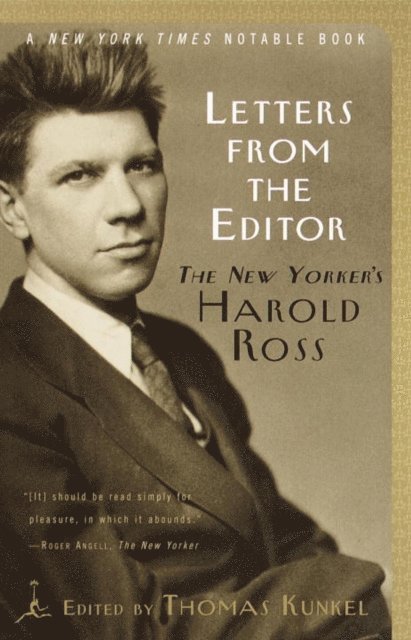
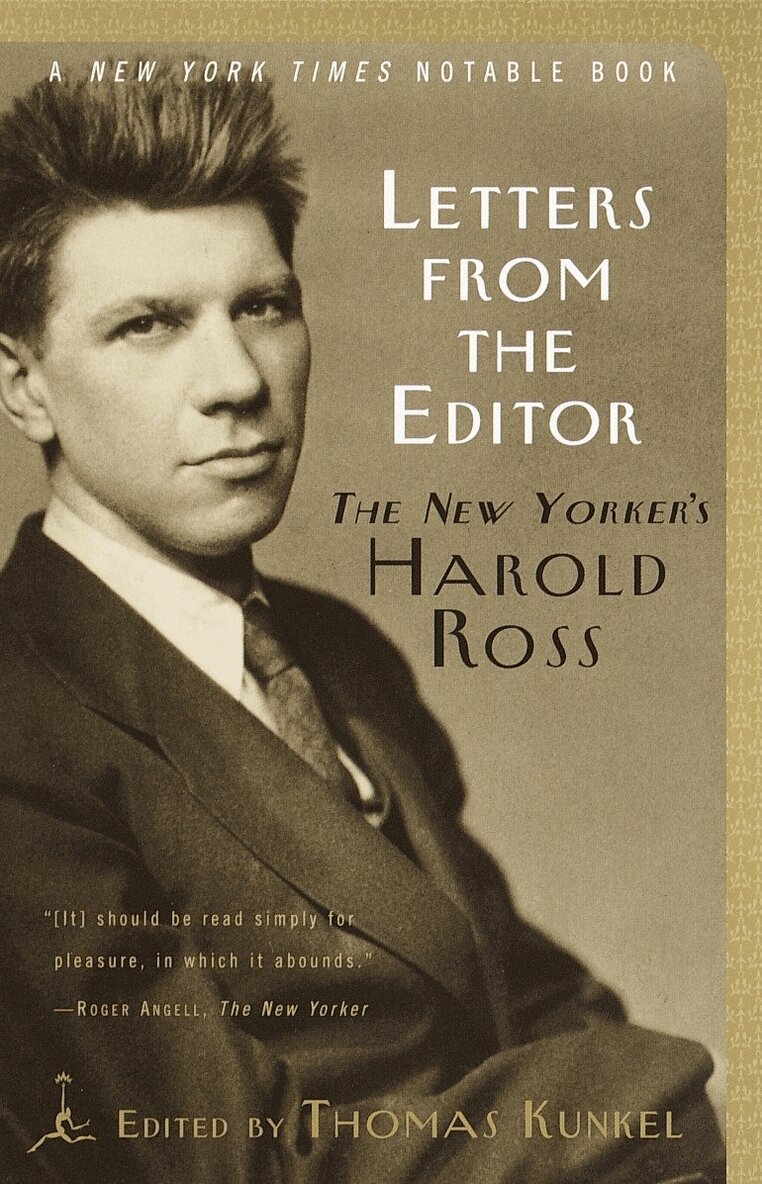
These exhilarating letters—selected and introduced by Thomas Kunkel, who wrote Genius in Disguise, the distinguished Ross biography—tell the dramatic story of the birth of The New Yorker and its precarious early days and years. Ross worries about everything from keeping track of office typewriters to the magazine''s role in wartime to the exact questions to be asked for a "Talk of the Town" piece on the song "Happy Birthday." We find Ross, in Kunkel''s words, "scolding Henry Luce, lecturing Orson Welles, baiting J. Edgar Hoover, inviting Noel Coward and Ginger Rogers to the circus, wheedling Ernest Hemingway— offering to sell Harpo Marx a used car and James Cagney a used tractor, and explaining to restaurateur-to-the-stars Dave Chasen, step by step, how to smoke a turkey." These letters from a supreme editor tell in his own words the story of the fierce, lively man who launched the world''s most prestigious magazine.From the Hardcover edition.
E-bok
Engelska, 201386 kr
Läs direkt efter köp
This hugely entertaining biography of the founding editor of The New Yorker tells the diverting story of how Ross and the brilliant group of people he gathered around him--including James Thurber, Charles Addams, Dorothy Parker, and John O''Hara--devised the formula that made the magazine such a popular and critical success. Photos & cartoons.
Häftad, Engelska, 2001
225 kr
Skickas inom 5-8 vardagar
E-bok
Engelska, 2015157 kr
Läs direkt efter köp
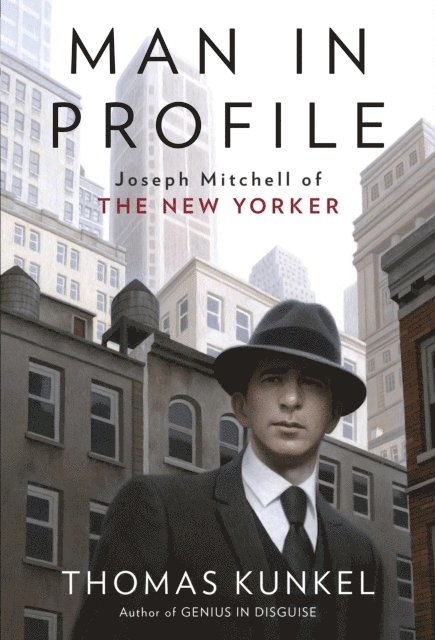
WINNER OF THE SPERBER PRIZE • NAMED ONE OF THE BEST BOOKS OF THE YEAR BY SAN FRANCISCO CHRONICLE AND PUBLISHERS WEEKLY • This fascinating biography reveals the untold story of the legendary New Yorker profile writer—author of Joe Gould’s Secret and Up in the Old Hotel—and unravels the mystery behind one of literary history’s greatest disappearing acts.Born and raised in North Carolina, Joseph Mitchell was Southern to the core. But from the 1930s to the 1960s, he was the voice of New York City. Readers of The New Yorker cherished his intimate sketches of the people who made the city tick—from Mohawk steelworkers to Staten Island oystermen, from homeless intellectual Joe Gould to Old John McSorley, founder of the city’s most famous saloon. Mitchell’s literary sensibility combined with a journalistic eye for detail produced a writing style that would inspire New Journalism luminaries such as Gay Talese, Tom Wolfe, and Joan Didion. Then, all of a sudden, his stories stopped appearing. For thirty years, Mitchell showed up for work at The New Yorker, but he produced . . . nothing. Did he have something new and exciting in store? Was he working on a major project? Or was he bedeviled by an epic case of writer’s block? The first full-length biography of Joseph Mitchell, based on the thousands of archival pages he left behind and dozens of interviews, Man in Profile pieces together the life of this beloved and enigmatic literary legend and answers the question that has plagued readers and critics for decades: What was Joe Mitchell doing all those years? By the time of his death in 1996, Mitchell was less well known for his elegant writing than for his J. D. Salinger–like retreat from the public eye. For thirty years, Mitchell had wandered the streets of New York, chronicling the lives of everyday people and publishing them in the most prestigious publication in town. But by the 1970s, crime, homelessness, and a crumbling infrastructure had transformed the city Mitchell understood so well and spoke for so articulately. He could barely recognize it. As he said to a friend late in life, “I’m living in a state of confusion.” Fifty years after his last story appeared, and almost two decades after his death, Joseph Mitchell still has legions of fans, and his story—especially the mystery of his “disappearance”—continues to fascinate. With a colorful cast of characters that includes Harold Ross, A. J. Liebling, Tina Brown, James Thurber, and William Shawn, Man in Profile goes a long way to solving that mystery—and bringing this lion of American journalism out of the shadows that once threatened to swallow him. Praise for Man in Profile “[An] authoritative new biography [about] our greatest literary journalist . . . Kunkel is the ideal biographer of Joseph Mitchell: As . . . a writer and craftsman worthy of his subject.”—Blake Bailey, The New York Times Book Review (Editor’s Choice) “A richly persuasive portrait of a man who cared about everybody and everything.”—London Review of Books“Mitchell’s life and achievements are brought vividly alive in [this] splendid book.”—Chicago Tribune“A thoughtful and sympathetic new biography.”—Ruth Franklin, The Atlantic “Excellent . . . A first-rate Mitchell biography was very much in order.”—The Wall Street JournalFrom the Hardcover edition.
E-bok
PDF, Engelska, 2005319 kr
Läs direkt efter köp
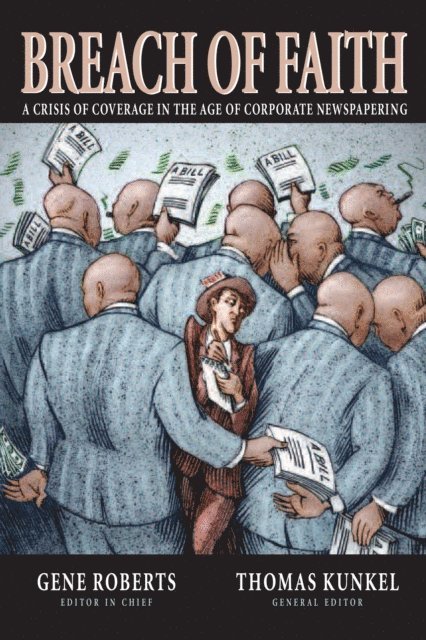
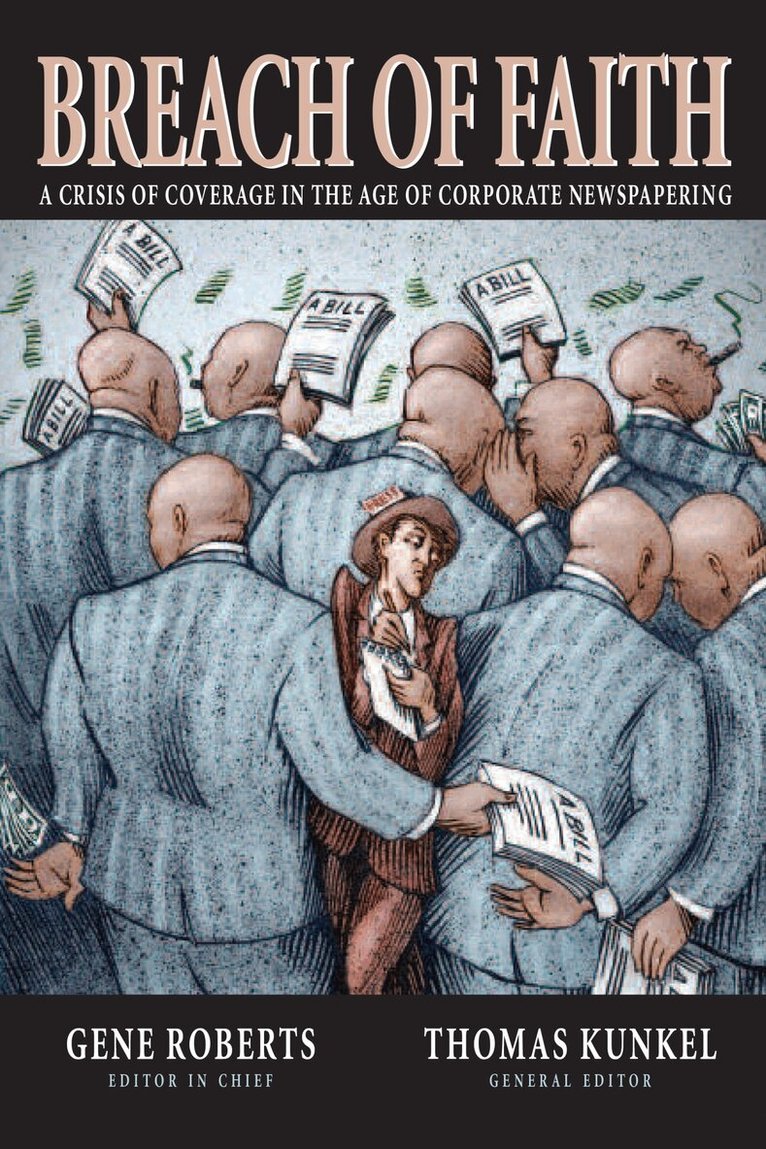
What has happened to the news? Over the past decade, there has been a major shift in newspaper coverage. Many newspaper executives, paring costs and badly misreading public appetites, have cut back dramatically on all types of public-affairs reporting. Fewer reporters than ever are assigned to the statehouse or the White House, to city hall or foreign capitals. Too often celebrity gossip and movie tips take the place of serious journalism instead of existing alongside it. Newspapers once operated under a mandate to provide the kinds of news that citizens need to function in a democratic society, but many corporations have changed that mandate. For more than two years, legendary editor Gene Roberts led a group of journalists in an unprecedented study of the newspaper industry for the American Journalism Review. This is the second volume of their findings. The first, Leaving Readers Behind: The Age of Corporate Newspapering, documented the storm of buying, selling, and consolidation that is transforming the American press. This second volume explores the consequences of these changes for ordinary communities and for the nation, arguing that they place democracy itself in peril. Contributors include Peter Arnett, Mary Walton, Charles Layton, John Herbers, James McCartney, Carl Sessions Stepp, Lewis M. Simons, Chip Brown and Winnie Hu.