Thomas Lahusen – författare
Visar alla böcker från författaren Thomas Lahusen. Handla med fri frakt och snabb leverans.
8 produkter
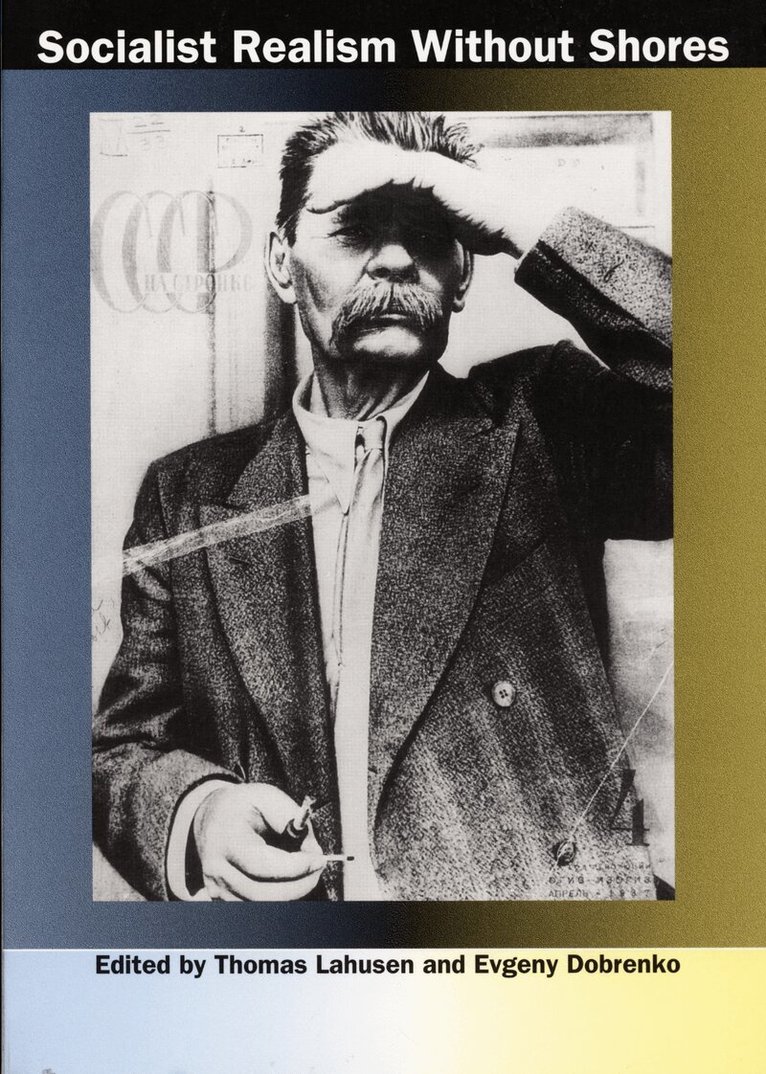
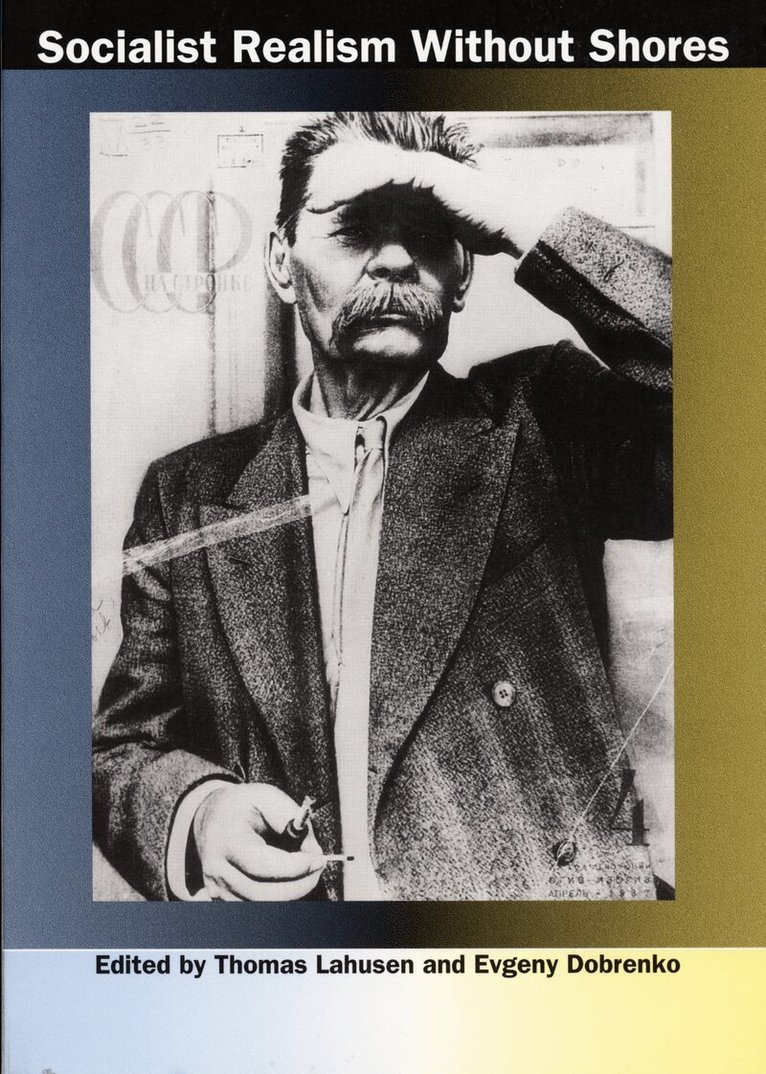
Socialist Realism Without Shores
Av Thomas Lahusen, Evgeny Dobrenko
Häftad, 1997
632 kr
Lägg i varukorg
Socialist Realism without Shores offers an international perspective on the aesthetics of socialist realism-an aesthetic that, contrary to expectations, survived the death of its originators and the demise of its original domain. This expanded edition of a special issue of the South Atlantic …
Socialist Realism without Shores
Av Evgeny Dobrenko, Thomas Lahusen
E-bok, 1997
749 kr
Lägg i varukorg
Socialist Realism without Shores offers an international perspective on the aesthetics of socialist realism—an aesthetic that, contrary to expectations, survived the death of its originators and the demise of its original domain. This expanded edition of a special issue of the South Atlantic …
Intimacy and Terror
Soviet Diaries of the 1930s
Av Veronique Garros, Natalia Korenevskaya m. fl.
Häftad, 1997
188 kr
Lägg i varukorg
The result of a unique international collaborative investigation by Russian, French, and Swiss scholars into hundreds of private, unpublished diaries found in remote libraries, archives, and family holdings, Intimacy and Terror paints a broad picture of Russian life during the harshest years of …
Soviet Literary Cosmopolis
Literature, Nation-Building and the Claim on the World
Av Susanne Frank, Zaal Andronikashvili m. fl.
Inbunden, 2026
1842 kr
Lägg i varukorg
The “Soviet literary cosmopolis” is the name of an approach that provokes and challenges both the more traditional approaches to world literature and seeks to go beyond the approaches of postcolonial studies by, on the one hand, taking into account imperial continuities beyond political ruptures …
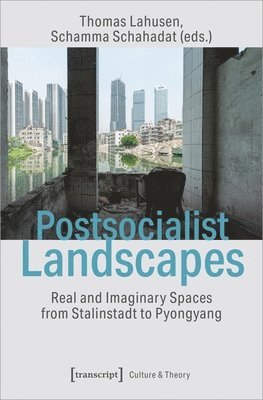
Postsocialist Landscapes – Real and Imaginary Spaces from Stalinstadt to Pyongyang
Av Thomas Lahusen, Schamma Schahadat m. fl.
Häftad, 2021
478 kr
Lägg i varukorg
Since the fall of the Iron Curtain, formerly socialist countries have gone through manifold transformations, whilst remnants of socialism remain ubiquitous. The volume explores various spaces of the postsocialist landscape, presenting a mixture of real and imaginary spaces, of memory and nostalgia, …
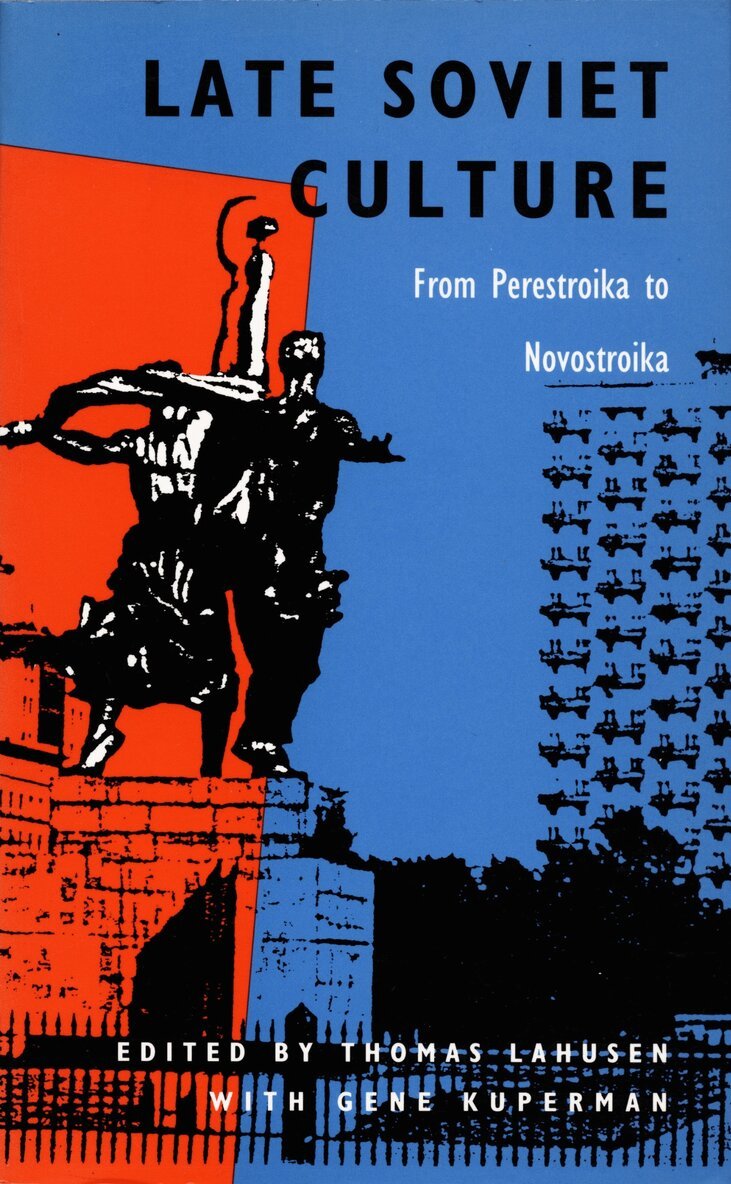
Late Soviet Culture from Perestroika to Novostroika
Av Thomas Lahusen, Gene Kuperman
Inbunden, 1993
1323 kr
Tillfälligt slut
As the Soviet Union dissolved, so did the visions of past and future that informed Soviet culture. With Dystopia left behind and Utopia forsaken, where do the writers, artists, and critics who once inhabited them stand? In an "advancing present," answers editor Thomas Lahusen. Just what that …
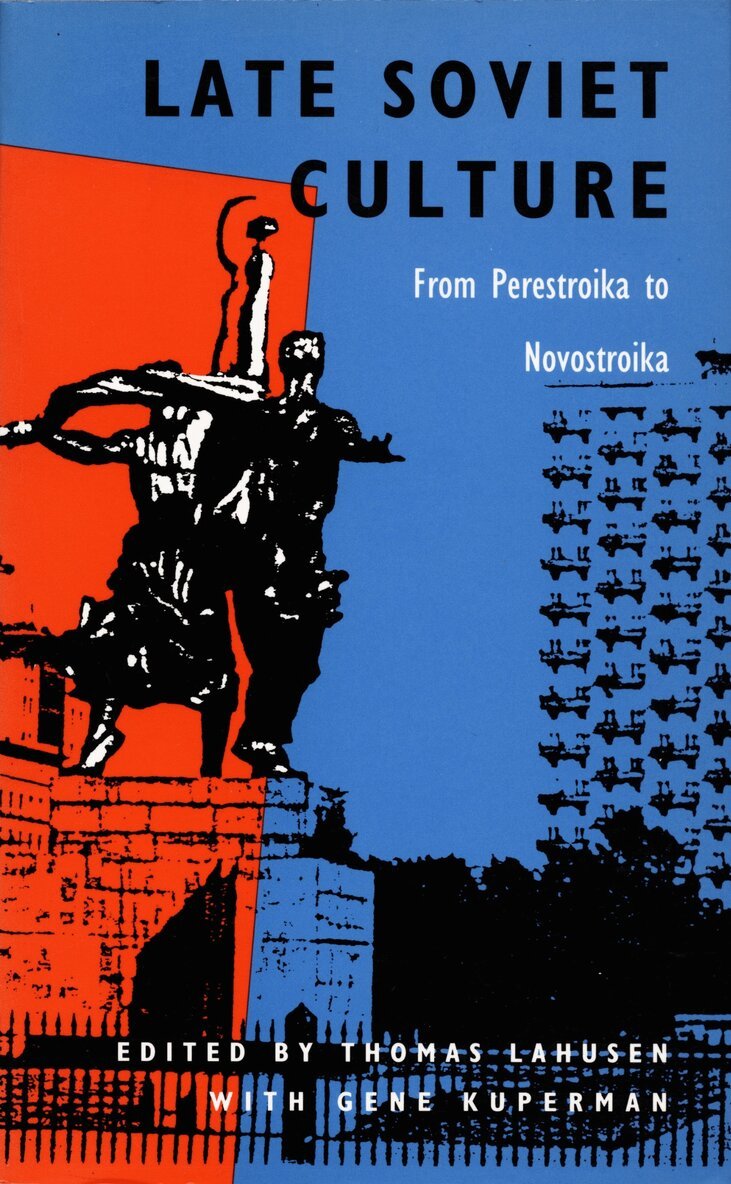
Late Soviet Culture from Perestroika to Novostroika
Av Thomas Lahusen, Gene Kuperman
Häftad, 1993
385 kr
Tillfälligt slut
As the Soviet Union dissolved, so did the visions of past and future that informed Soviet culture. With Dystopia left behind and Utopia forsaken, where do the writers, artists, and critics who once inhabited them stand? In an "advancing present," answers editor Thomas Lahusen. Just what that …
Socialist Realism Without Shores
Av Thomas Lahusen, Evgeny Dobrenko
Inbunden, 1997
1323 kr
Tillfälligt slut
Socialist Realism without Shores offers an international perspective on the aesthetics of socialist realism-an aesthetic that, contrary to expectations, survived the death of its originators and the demise of its original domain. This expanded edition of a special issue of the South Atlantic …