1 481 kr
Skickas inom 5-8 vardagar
1 481 kr
Skickas inom 5-8 vardagar
457 kr
Läs direkt efter köp
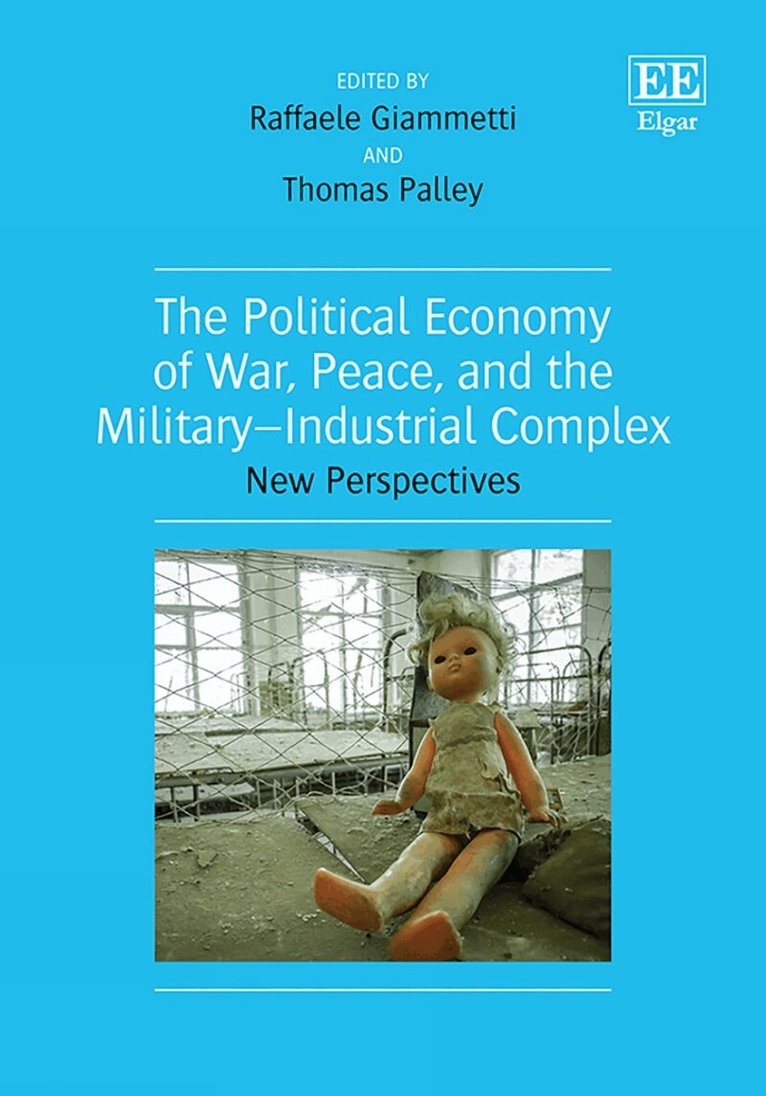
The new view emphasizes income distribution, which leads to a focus on institutional structures that are shaped by policy and power. A related feature is an emphasis on politics, which is the process by which policies are made. Furthermore, it asks whether economies should be understood as the product of national choices versus global capitalist system forces. That connects with the long-standing center-periphery distinction in development economics.
Economists, researchers, and students will find this volume an enlightening look at an important subject.
1 481 kr
Skickas inom 5-8 vardagar
457 kr
Läs direkt efter köp
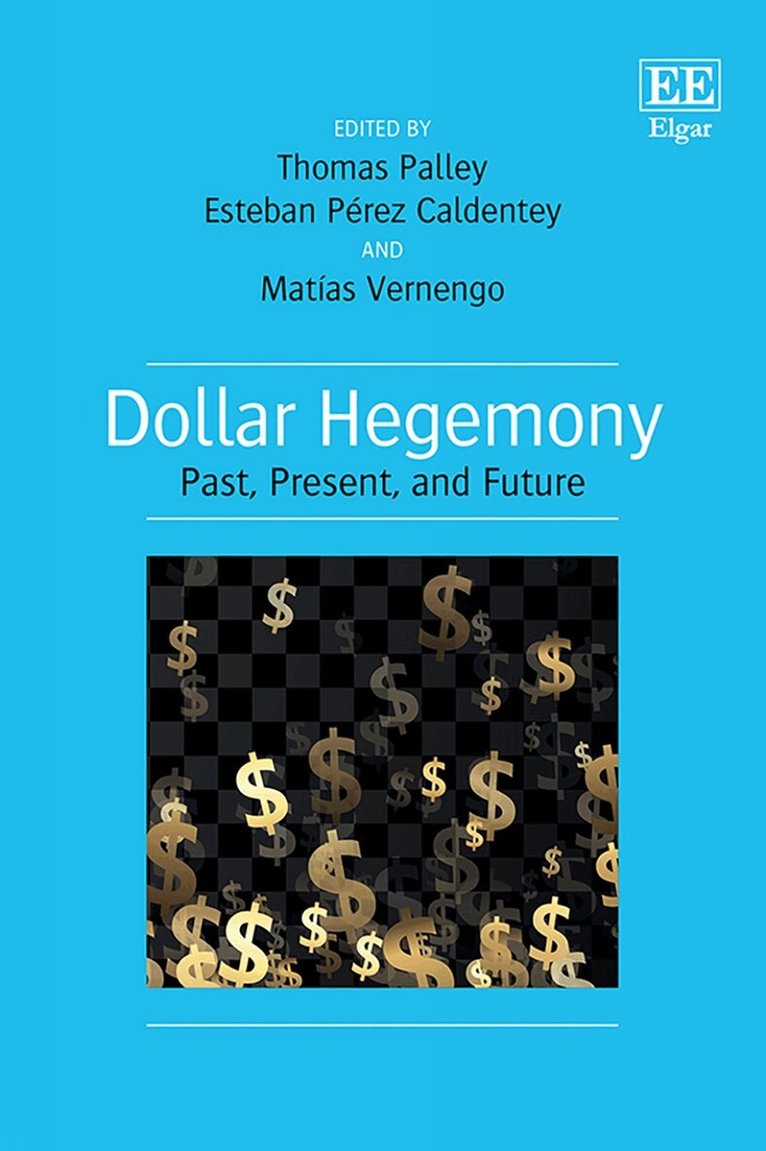
The dollar’s hegemony rests on the economic, military, and international political power of the US. There have been two eras of dollar hegemony which were characterized by different models. Dollar hegemony 1.0 corresponded to the Bretton Woods era (1946-1971). Dollar hegemony 2.0 corresponds to the Neoliberal era (1980-Today). The deep foundation of both models is US power, but the two models have different economic operating systems. The articles in this book explore this and consider two further questions: what is the future of dollar hegemony? And: is there a better way of organizing the world monetary order? There has been considerable speculation of a drift to currency multipolarity but, so far, there is little evidence of that. The Chinese renminbi might join or displace the dollar as the world’s hegemonic currency, but that will require China making significant changes to its financial markets and monetary policy. Dollar hegemony imposes significant costs on developing and emerging market economies, but the international political economy of systemic reform is fraught, making reform unlikely.
Economists, researchers, policymakers, and students will find this volume an enlightening look at an important subject.
1 270 kr
Skickas inom 5-8 vardagar
445 kr
Läs direkt efter köp
1 516 kr
Skickas inom 5-8 vardagar
457 kr
Läs direkt efter köp
Thirlwall''s law provides a theoretical underpinning for several of the arguments traditionally espoused by the heterodox followers of Keynes. In addition, Thirlwall''s law can also be viewed as a guide to policy-making. It has spurred a rich research agenda at both the theoretical and empirical levels. Theoretically the core model has been extended to include the different components of the current account of the balance of payments. Empirically, it has withstood the test of time and has been corroborated, with perhaps a few exceptions, for a variety of developed and developing countries under different historical contexts and different periods of time.
This re-release of the special issue of the Review of Keynesian Economics brings together experts and researchers to present the latest developments and debates on Thirlwall''s law. Students, economists and policy makers will find this volume enlightening.