Thomas Rath – författare
Visar alla böcker från författaren . Handla med fri frakt och snabb leverans.
19 produkter
19 produkter
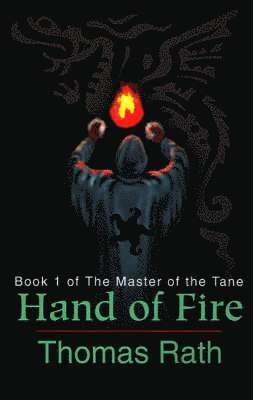
Del 1 - Master of the Tane
Hand of Fire
Häftad, Engelska, 2001
391 kr
Skickas inom 3-6 vardagar
Häftad, Engelska, 2005
220 kr
Skickas inom 5-8 vardagar
Häftad, Engelska, 2013
453 kr
Skickas inom 10-15 vardagar
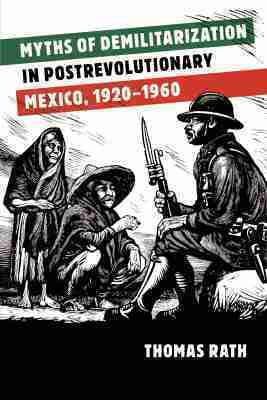
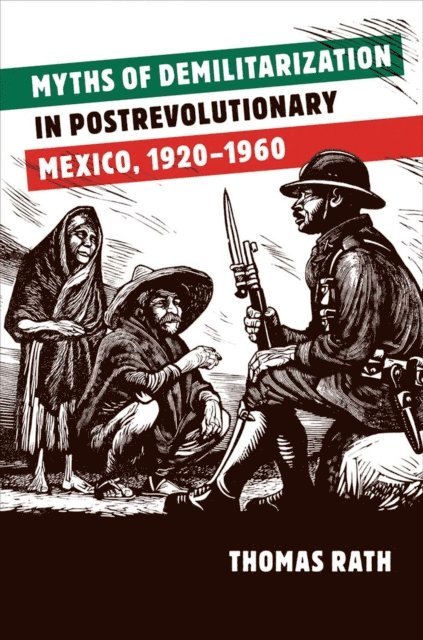
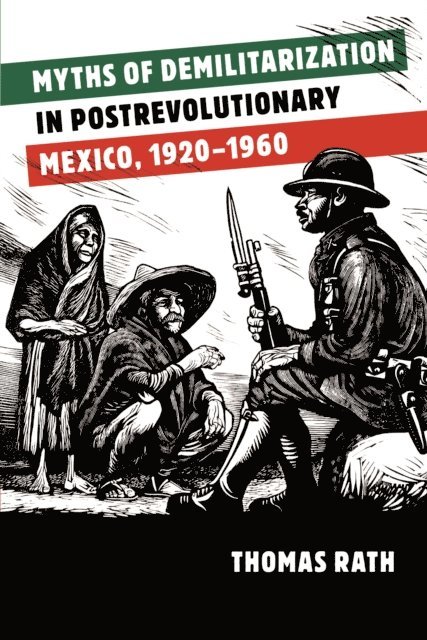
At the end of the Mexican Revolution in 1920, Mexico's large, rebellious army dominated national politics. By the 1940s, Mexico's Institutional Revolutionary Party (PRI) was led by a civilian president and claimed to have depoliticised the army and achieved the bloodless pacification of the Mexican countryside through land reform, schooling, and indigenismo. However, historian Thomas Rath argues, Mexico's celebrated demilitarisation was more protracted, conflict-ridden, and incomplete than most accounts assume. Civilian governments deployed troops as a police force, often aimed at political suppression, while officers meddled in provincial politics, engaged in corruption, and crafted official history, all against a backdrop of sustained popular protest and debate.Using newly available materials from military, intelligence, and diplomatic archives, Rath weaves together an analysis of national and regional politics, military education, conscription, veteran policy, and popular protest. In doing so, he challenges dominant interpretations of successful, top-down demilitarisation and questions the image of the post-1940 PRI regime as strong, stable, and legitimate. Rath also shows how the army's suppression of students and guerrillas in the 1960s and 1970s, and the more recent militarisation of policing, have long roots in Mexican history.
Inbunden, Engelska, 2022
444 kr
Skickas inom 7-10 vardagar
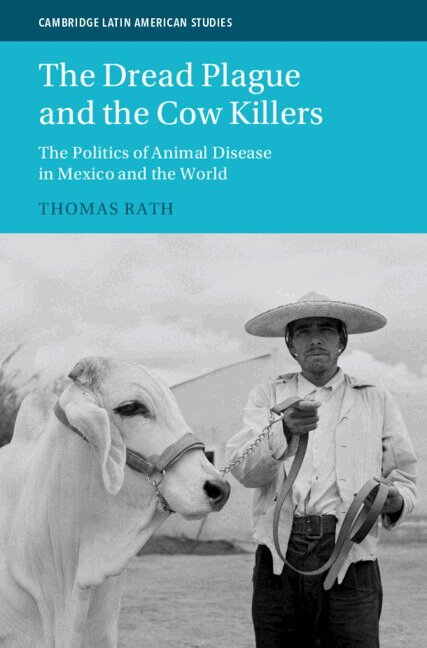
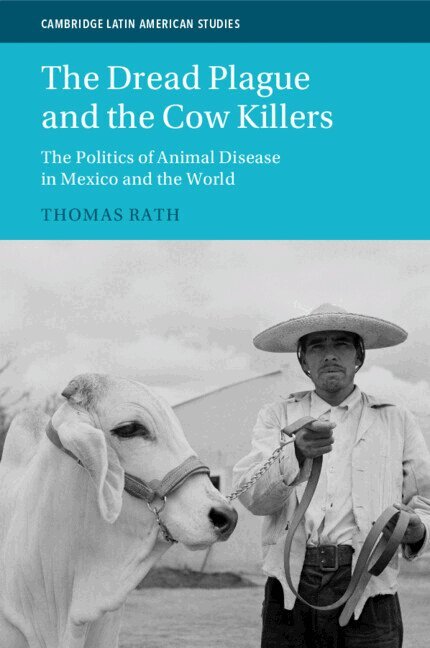
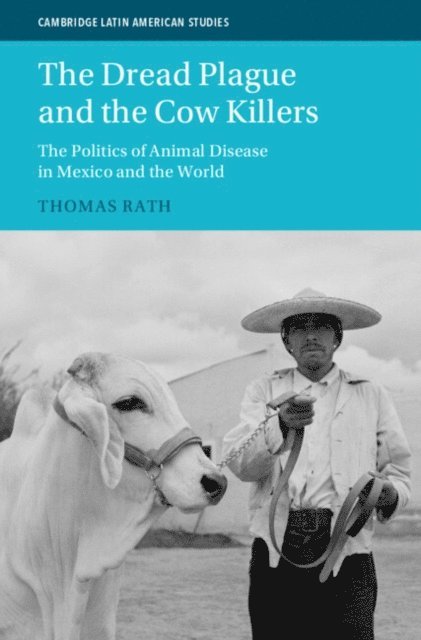
Between 1947 and 1954, the Mexican and US governments waged a massive campaign against a devastating livestock plague, aftosa or foot-and-mouth disease. Absorbing over half of US economic aid to Latin America and involving thousands of veterinarians and ranchers from both countries, battalions of Mexican troops, and scientists from Europe and the Americas, the campaign against aftosa was unprecedented in size. Despite daunting obstacles and entrenched opposition, it successfully eradicated the virus in Mexico, and reshaped policies, institutions, and knowledge around the world. Using untapped sources from local, national, and international archives, Thomas Rath provides a comprehensive history of this campaign, the forces that shaped it - from presidents to peasants, scientists to journalists, pistoleros to priests, mountains to mules - and the complicated legacy it left. More broadly, it uses the campaign to explore the formation of the Mexican state, changing ideas of development and security, and the history of human-animal relations.
Häftad, Engelska, 2026
404 kr
Skickas inom 7-10 vardagar
Between 1947 and 1954, the Mexican and US governments waged a massive campaign against a devastating livestock plague, aftosa or foot-and-mouth disease. Absorbing over half of US economic aid to Latin America and involving thousands of veterinarians and ranchers from both countries, battalions of Mexican troops, and scientists from Europe and the Americas, the campaign against aftosa was unprecedented in size. Despite daunting obstacles and entrenched opposition, it successfully eradicated the virus in Mexico, and reshaped policies, institutions, and knowledge around the world. Using untapped sources from local, national, and international archives, Thomas Rath provides a comprehensive history of this campaign, the forces that shaped it - from presidents to peasants, scientists to journalists, pistoleros to priests, mountains to mules - and the complicated legacy it left. More broadly, it uses the campaign to explore the formation of the Mexican state, changing ideas of development and security, and the history of human-animal relations.
E-bok
Engelska, 2022538 kr
Läs direkt efter köp
Between 1947 and 1954, the Mexican and US governments waged a massive campaign against a devastating livestock plague, aftosa or foot-and-mouth disease. Absorbing over half of US economic aid to Latin America and involving thousands of veterinarians and ranchers from both countries, battalions of Mexican troops, and scientists from Europe and the Americas, the campaign against aftosa was unprecedented in size. Despite daunting obstacles and entrenched opposition, it successfully eradicated the virus in Mexico, and reshaped policies, institutions, and knowledge around the world. Using untapped sources from local, national, and international archives, Thomas Rath provides a comprehensive history of this campaign, the forces that shaped it – from presidents to peasants, scientists to journalists, pistoleros to priests, mountains to mules – and the complicated legacy it left. More broadly, it uses the campaign to explore the formation of the Mexican state, changing ideas of development and security, and the history of human–animal relations.
E-bok
PDF, Engelska, 2022538 kr
Läs direkt efter köp
Between 1947 and 1954, the Mexican and US governments waged a massive campaign against a devastating livestock plague, aftosa or foot-and-mouth disease. Absorbing over half of US economic aid to Latin America and involving thousands of veterinarians and ranchers from both countries, battalions of Mexican troops, and scientists from Europe and the Americas, the campaign against aftosa was unprecedented in size. Despite daunting obstacles and entrenched opposition, it successfully eradicated the virus in Mexico, and reshaped policies, institutions, and knowledge around the world. Using untapped sources from local, national, and international archives, Thomas Rath provides a comprehensive history of this campaign, the forces that shaped it – from presidents to peasants, scientists to journalists, pistoleros to priests, mountains to mules – and the complicated legacy it left. More broadly, it uses the campaign to explore the formation of the Mexican state, changing ideas of development and security, and the history of human–animal relations.
Häftad, Engelska, 2010
267 kr
Skickas inom 5-8 vardagar
E-bok
Engelska, 2013433 kr
Läs direkt efter köp
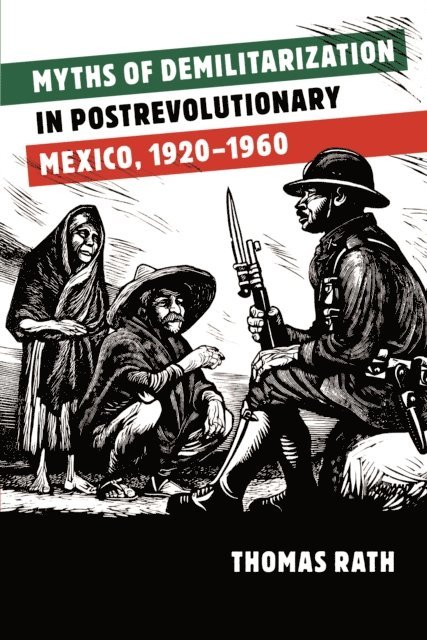
At the end of the Mexican Revolution in 1920, Mexico’s large, rebellious army dominated national politics. By the 1940s, Mexico’s Institutional Revolutionary Party (PRI) was led by a civilian president and claimed to have depoliticized the army and achieved the bloodless pacification of the Mexican countryside through land reform, schooling, and indigenismo. However, historian Thomas Rath argues, Mexico’s celebrated demilitarization was more protracted, conflict-ridden, and incomplete than most accounts assume. Civilian governments deployed troops as a police force, often aimed at political suppression, while officers meddled in provincial politics, engaged in corruption, and crafted official history, all against a backdrop of sustained popular protest and debate.Using newly available materials from military, intelligence, and diplomatic archives, Rath weaves together an analysis of national and regional politics, military education, conscription, veteran policy, and popular protest. In doing so, he challenges dominant interpretations of successful, top-down demilitarization and questions the image of the post-1940 PRI regime as strong, stable, and legitimate. Rath also shows how the army’s suppression of students and guerrillas in the 1960s and 1970s and the more recent militarization of policing have long roots in Mexican history.
E-bok
PDF, Engelska, 20131 818 kr
Läs direkt efter köp
At the end of the Mexican Revolution in 1920, Mexico''s large, rebellious army dominated national politics. By the 1940s, Mexico''s Institutional Revolutionary Party (PRI) was led by a civilian president and claimed to have depoliticized the army and achieved the bloodless pacification of the Mexican countryside through land reform, schooling, and indigenismo. However, historian Thomas Rath argues, Mexico''s celebrated demilitarization was more protracted, conflict-ridden, and incomplete than most accounts assume. Civilian governments deployed troops as a police force, often aimed at political suppression, while officers meddled in provincial politics, engaged in corruption, and crafted official history, all against a backdrop of sustained popular protest and debate.Using newly available materials from military, intelligence, and diplomatic archives, Rath weaves together an analysis of national and regional politics, military education, conscription, veteran policy, and popular protest. In doing so, he challenges dominant interpretations of successful, top-down demilitarization and questions the image of the post-1940 PRI regime as strong, stable, and legitimate. Rath also shows how the army''s suppression of students and guerrillas in the 1960s and 1970s and the more recent militarization of policing have long roots in Mexican history.
Inbunden, Engelska, 2018
1 712 kr
Skickas inom 5-8 vardagar
Inbunden, Engelska, 2019
1 712 kr
Skickas inom 5-8 vardagar
E-bok
PDF, Tyska, 2013910 kr
Läs direkt efter köp
Häftad, Tyska, 2001
782 kr
Skickas inom 10-15 vardagar
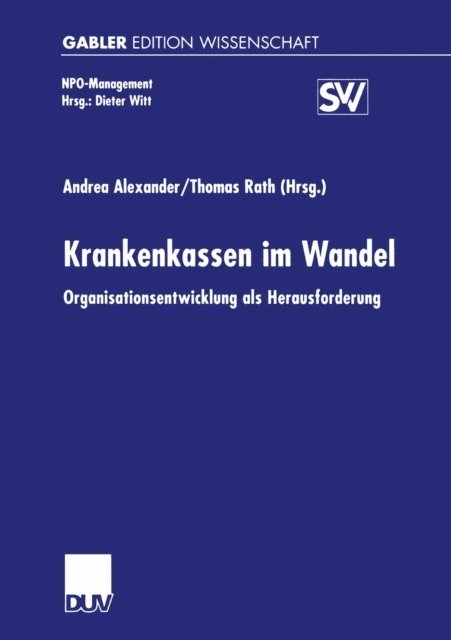
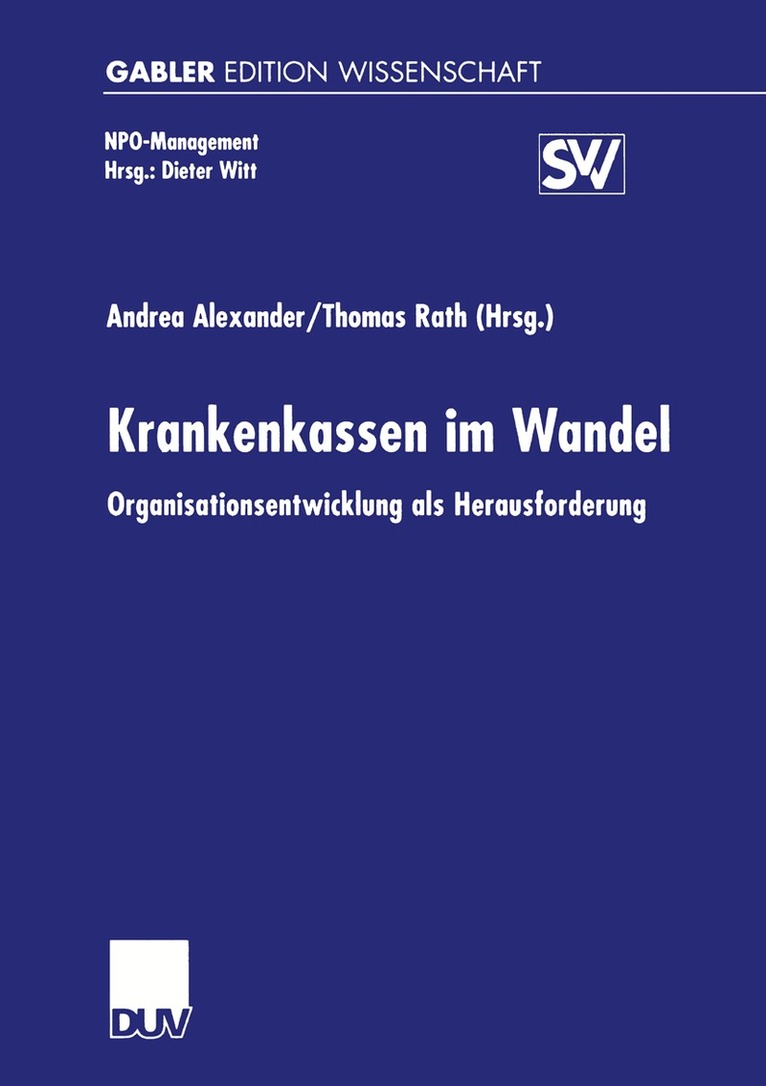
Die Krankenkassen müssen derzeit ihren Standpunkt zwischen gesetzlichem Auftrag, den Erfordernissen des Wettbewerbs und den Erwartungen der Versicherten neu definieren. Die Handlungsgrundlage ist allerdings unsicher, da die Politik in ihren Vorgaben widersprüchlich ist.Wissenschaftler, Praktiker und Journalisten beschreiben die Notwendigkeit eines Entwicklungsprozesses aus verschiedenen Blickwinkeln und zeigen Ansätze zur Veränderung auf. Repräsentativ für die Sicht der Krankenkassen selber sind die Ergebnisse einer Umfrage zur "Krankenkasse 2010" unter allen Kassenchefs. Die Analyse des Verhältnisses zu Non-Profit-Organisationen und ein subjektiver Ausblick auf die Realität der Krankenkasse von morgen runden das Bild ab.
Inbunden, Tyska, 2022
412 kr
Skickas inom 3-6 vardagar
Inbunden, Engelska, 2013
1 997 kr
Skickas inom 5-8 vardagar
Inbunden, Engelska, 2018
1 997 kr
Skickas inom 5-8 vardagar
E-bok
PDF, Engelska, 2013433 kr
Läs direkt efter köp
At the end of the Mexican Revolution in 1920, Mexico’s large, rebellious army dominated national politics. By the 1940s, Mexico’s Institutional Revolutionary Party (PRI) was led by a civilian president and claimed to have depoliticized the army and achieved the bloodless pacification of the Mexican countryside through land reform, schooling, and indigenismo. However, historian Thomas Rath argues, Mexico’s celebrated demilitarization was more protracted, conflict-ridden, and incomplete than most accounts assume. Civilian governments deployed troops as a police force, often aimed at political suppression, while officers meddled in provincial politics, engaged in corruption, and crafted official history, all against a backdrop of sustained popular protest and debate.Using newly available materials from military, intelligence, and diplomatic archives, Rath weaves together an analysis of national and regional politics, military education, conscription, veteran policy, and popular protest. In doing so, he challenges dominant interpretations of successful, top-down demilitarization and questions the image of the post-1940 PRI regime as strong, stable, and legitimate. Rath also shows how the army’s suppression of students and guerrillas in the 1960s and 1970s and the more recent militarization of policing have long roots in Mexican history.
E-bok
PDF, Engelska, 20131 754 kr
Läs direkt efter köp
At the end of the Mexican Revolution in 1920, Mexico’s large, rebellious army dominated national politics. By the 1940s, Mexico’s Institutional Revolutionary Party (PRI) was led by a civilian president and claimed to have depoliticized the army and achieved the bloodless pacification of the Mexican countryside through land reform, schooling, and indigenismo. However, historian Thomas Rath argues, Mexico’s celebrated demilitarization was more protracted, conflict-ridden, and incomplete than most accounts assume. Civilian governments deployed troops as a police force, often aimed at political suppression, while officers meddled in provincial politics, engaged in corruption, and crafted official history, all against a backdrop of sustained popular protest and debate.Using newly available materials from military, intelligence, and diplomatic archives, Rath weaves together an analysis of national and regional politics, military education, conscription, veteran policy, and popular protest. In doing so, he challenges dominant interpretations of successful, top-down demilitarization and questions the image of the post-1940 PRI regime as strong, stable, and legitimate. Rath also shows how the army’s suppression of students and guerrillas in the 1960s and 1970s and the more recent militarization of policing have long roots in Mexican history.