Thomas W. Blomquist – författare
Visar alla böcker från författaren Thomas W. Blomquist. Handla med fri frakt och snabb leverans.
4 produkter
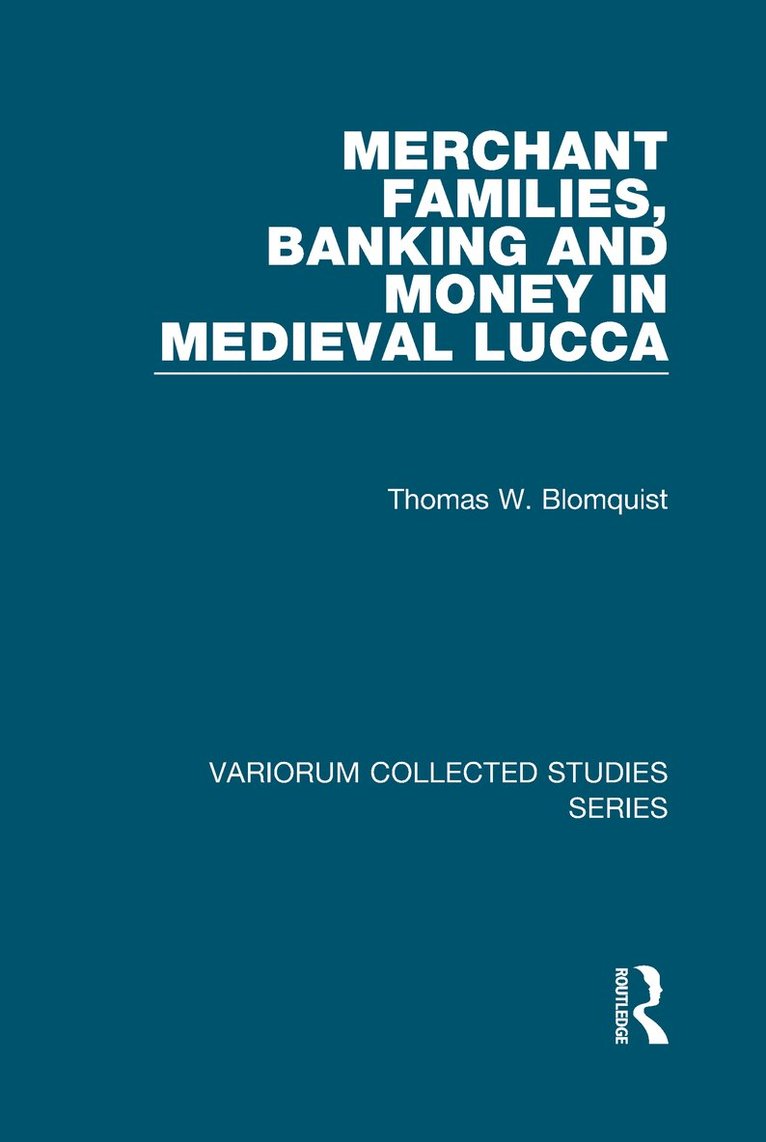
Merchant Families, Banking and Money in Medieval Lucca
Inbunden, 2005
1562 kr
Lägg i varukorg
This volume brings together a series of studies by Professor Blomquist on the evolution of banking in Lucca from the 12th and 13th centuries. They describe how the leading bankers operated, how they invested, and how they pursued their family interests. In particular, they trace the transformation …
Merchant Families, Banking and Money in Medieval Lucca
E-bok, 2024
945 kr
Lägg i varukorg
This volume brings together a series of studies by Professor Blomquist on the evolution of banking in Lucca from the 12th and 13th centuries. They describe how the leading bankers operated, how they invested, and how they pursued their family interests. In particular, they trace the transformation …
Merchant Families, Banking and Money in Medieval Lucca
E-bok, 2024
945 kr
Lägg i varukorg
This volume brings together a series of studies by Professor Blomquist on the evolution of banking in Lucca from the 12th and 13th centuries. They describe how the leading bankers operated, how they invested, and how they pursued their family interests. In particular, they trace the transformation …
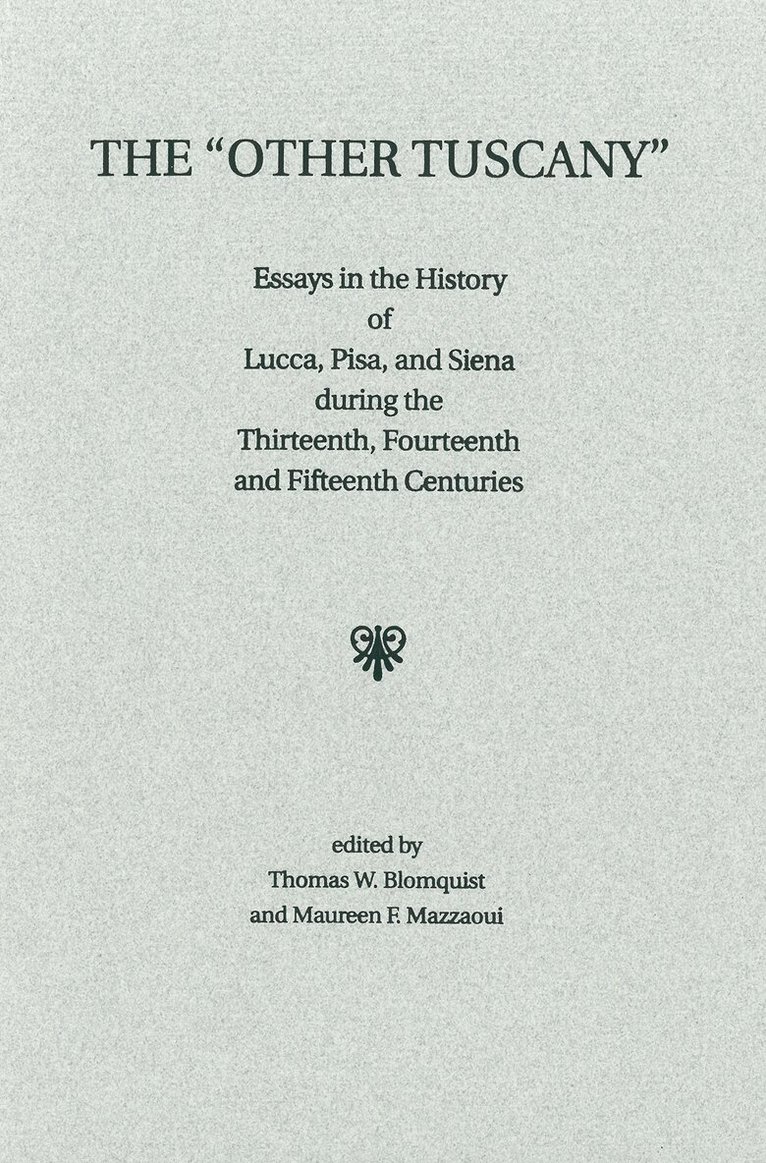
"Other Tuscany"
Essays in the History of Lucca, Pisa, and Siena during the Thirteenth, Fourteenth, and Fifteenth Centuries
Av Thomas W. Blomquist, Maureen F. Mazzaoui
Inbunden, 1994
335 kr
Lägg i varukorg
Studies of late medieval Tuscany have traditionally relied on historiographical premises derived from the experience of its intensely investigated capital city. Specifically, normative and quantitative data from Florentine sources have been employed to chart demographic, social, and economic trends …