Tim Rieniets – författare
Visar alla böcker från författaren Tim Rieniets. Handla med fri frakt och snabb leverans.
3 produkter
3 produkter
396 kr
Tillfälligt slut
The boom years from the 1950s to the 1970s were marked by a pioneering spirit and a great drive for innovation in the Ruhr district as well as in many other regions and cities throughout Europe. Modern schools, universities, city halls, churches, shopping malls, and housing estates popped up as a result of ambitious architectural and urban planning projects. While back then they were created as a visual expression of a hope for a better future, a large number of these buildings are now falling into decay. Others are disdainfully ignored or have their merits concealed behind crumbling facades and are regarded as symbolic of failed social utopias. Frequently this architecture does not enjoy the appreciation it deserves simply because people have no information about it. Only very few such buildings therefore have gained their due recognition: Essen's Grugahalle for instance, Dortmund's Florianturm, or Gelsenkirchen's music theatre.The current guide invites you to explore the forgotten gems of this period of architecture in the Ruhr district. In total, the book sheds light on 54 structures, throughout 17 cities, all of which were specially selected, photographed, and described for this publication. Joined together they offer a vivid and comprehensive panorama of their era.Text in English and German.
534 kr
Tillfälligt slut
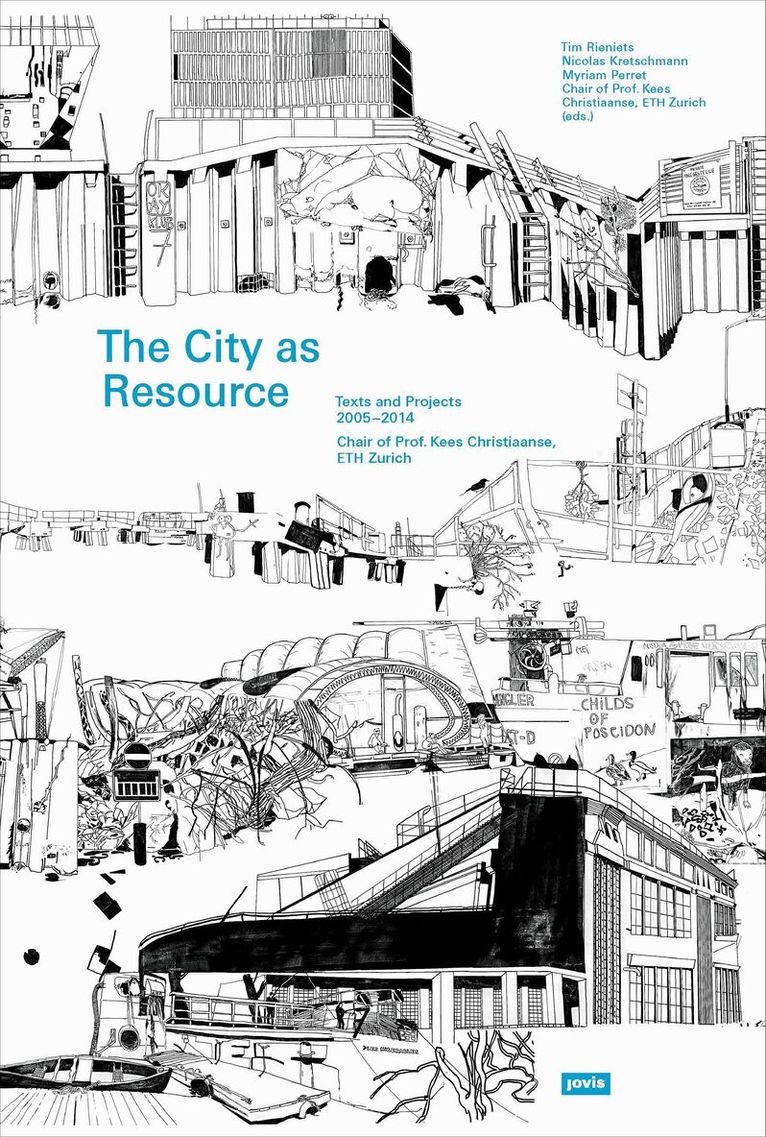
New solutions to the way in which the resources within the city can be best used.Resources are the stuff of which the future is made. The city itself is a resource, as it opens up a wide range of possibilities for every individual and for society as a whole. The city is not an inexhaustible resource, however. Only if it is used in a sustainable way and if it does not solely serve short-term, isolated interests, can it also fulfill the needs of future generations. The biggest challenge for contemporary urban design is, therefore, to plan the city itself as a regenerative cycle, not only in terms of shaping its spatial and aesthetic qualities, but also in relation to its development over time.Using articles, student projects, and examples, this book presents methods and strategies for designing the city as a resource; it thus lends a new meaning to the idea of sustainable building.
423 kr
Kommande
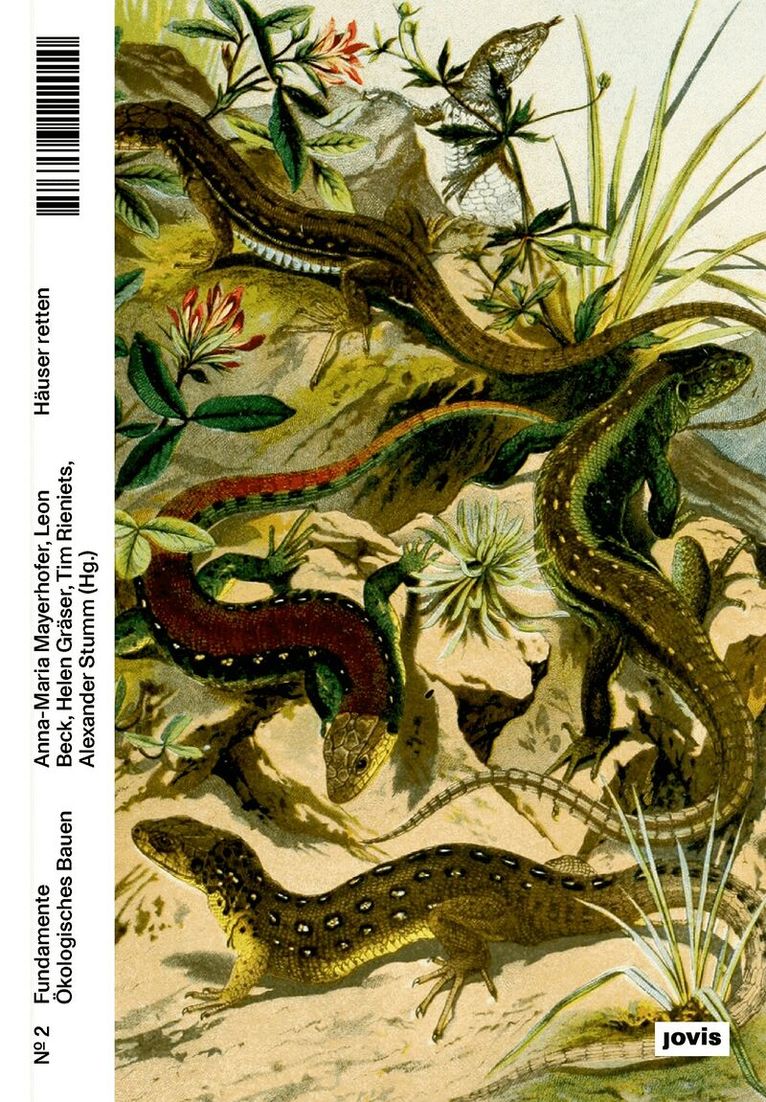
The second volume of the Fundamente Ökologisches Bauen series offers insights into around 50 historical and current anti- demolition campaigns in Germany and Europe. For the first time, the editors systematically structure strategies for building preservation, ranging from knowledge production and conversion concepts to media attention, political influence, artistic actions, and legal means—as well as unconventional forms of resistance such as squatting or the protection of endangered species. The book reveals a wide range of options for stakeholders with diverse motivations and backgrounds. Häuser retten adopts the perspective of activism and civil society, highlights a previously neglected aspect of architectural and urban history, and raises the question of how participation in planning and spatial production is possible today.Systematic strategies against the demolition of buildingsOverview of anti-demolition campaigns in Germany and EuropeImportant contribution to the preservation of existing buildings from a civil society perspective