
Timothy A. Yap – författare
Visar alla böcker från författaren Timothy A. Yap. Handla med fri frakt och snabb leverans.
4 produkter
4 produkter
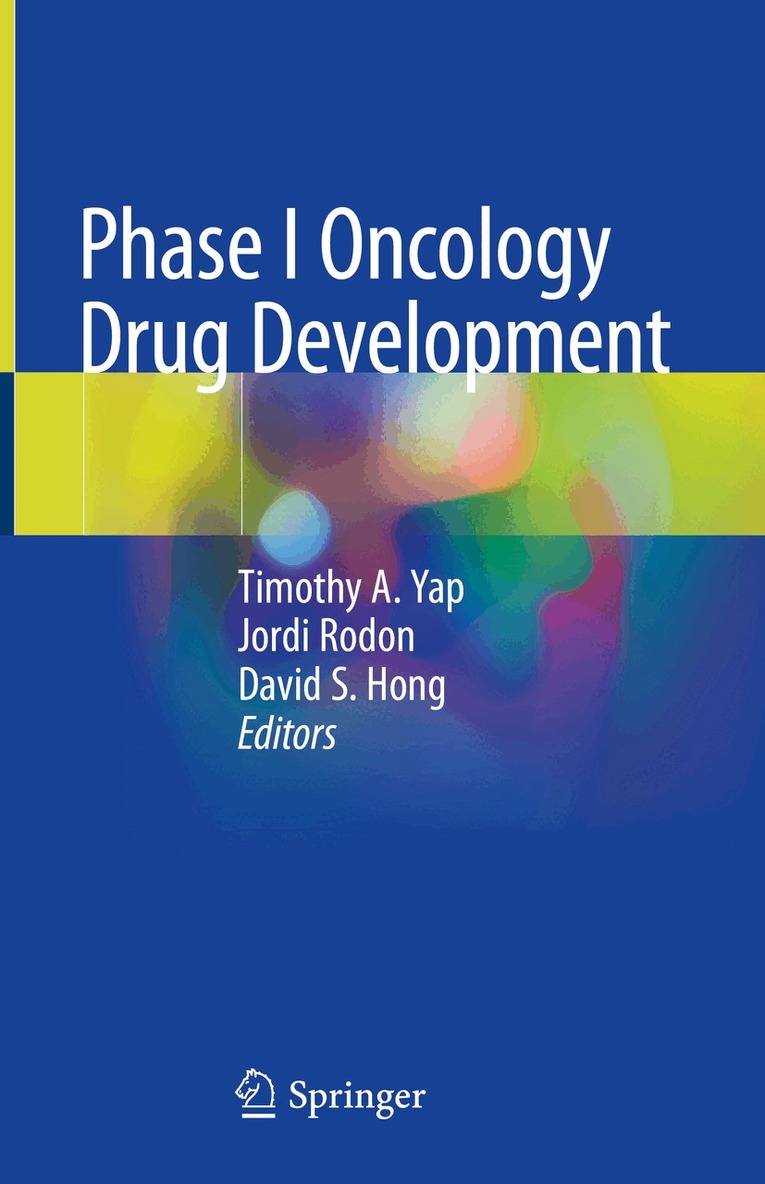
Inbunden, Engelska, 2020
1 653 kr
Skickas inom 10-15 vardagar
This book provides a detailed review of how oncology drug development has changed over the past decade, and serves as a comprehensive guide for the practicalities in setting up phase I trials. The book covers strategies to accelerate the development of novel antitumor compounds from the laboratory to clinical trials and beyond through the use of innovative mechanism-of-action pharmacodynamic biomarkers and pharmacokinetic studies.The reader will learn about all aspects of modern phase I trial designs, including the incorporation of precision medicine strategies, and approaches for rational patient allocation to novel anticancer therapies. Circulating biomarkers to assess mechanisms of response and resistance are changing the way we are assessing patient selection and are also covered in this book. The development of the different classes of antitumor agents are discussed, including chemotherapy, molecularly targeted agents, immunotherapies and also radiotherapy. Theauthors also discuss the lessons that the oncology field has learnt from the development of hematology-oncology drugs and how such strategies can be carried over into therapies for solid tumors. There is a dedicated chapter that covers the specialized statistical approaches necessary for phase I trial designs, including novel Bayesian strategies for dose escalation.This volume is designed to help clinicians better understand phase I clinical trials, but would also be of use to translational researchers (MDs and PhDs), and drug developers from academia and industry interested in cancer drug development. It could also be of use to phase I trial study coordinators, oncology nurses and advanced practice providers. Other health professionals interested in the treatment of cancer will also find this book of great value.
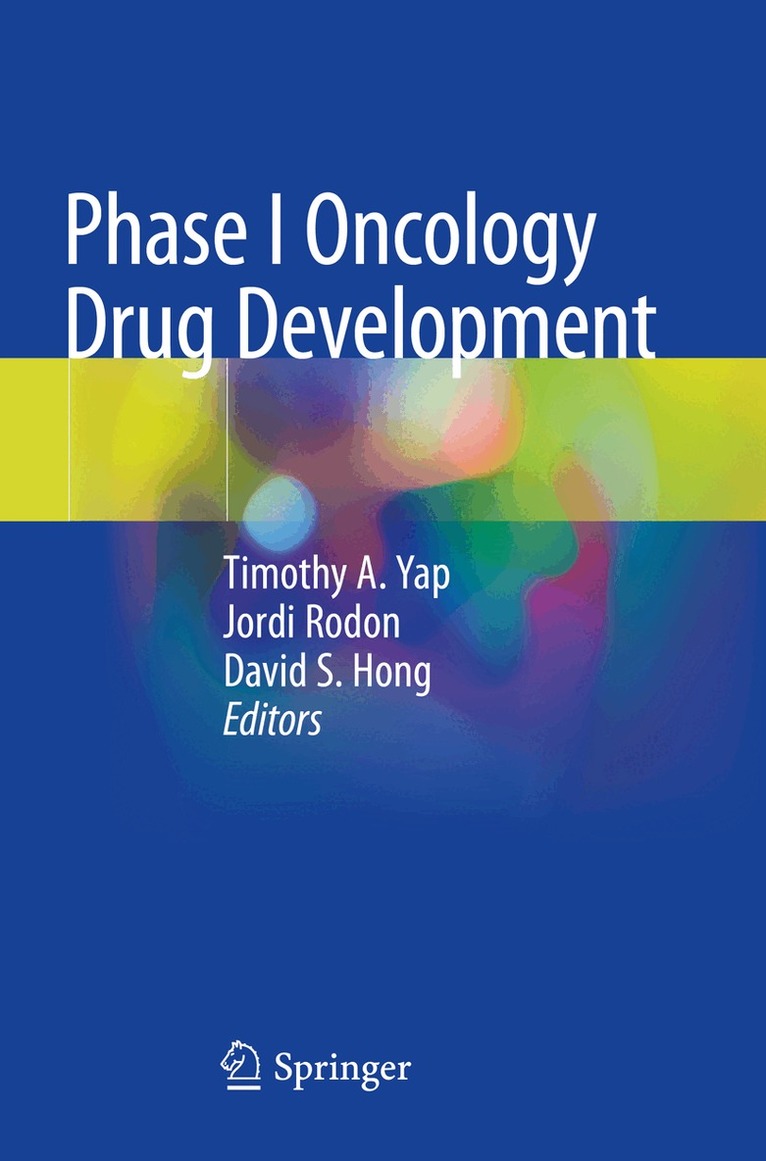
Häftad, Engelska, 2021
1 214 kr
Skickas inom 10-15 vardagar
This book provides a detailed review of how oncology drug development has changed over the past decade, and serves as a comprehensive guide for the practicalities in setting up phase I trials. The book covers strategies to accelerate the development of novel antitumor compounds from the laboratory to clinical trials and beyond through the use of innovative mechanism-of-action pharmacodynamic biomarkers and pharmacokinetic studies.The reader will learn about all aspects of modern phase I trial designs, including the incorporation of precision medicine strategies, and approaches for rational patient allocation to novel anticancer therapies. Circulating biomarkers to assess mechanisms of response and resistance are changing the way we are assessing patient selection and are also covered in this book. The development of the different classes of antitumor agents are discussed, including chemotherapy, molecularly targeted agents, immunotherapies and also radiotherapy. Theauthors also discuss the lessons that the oncology field has learnt from the development of hematology-oncology drugs and how such strategies can be carried over into therapies for solid tumors. There is a dedicated chapter that covers the specialized statistical approaches necessary for phase I trial designs, including novel Bayesian strategies for dose escalation.This volume is designed to help clinicians better understand phase I clinical trials, but would also be of use to translational researchers (MDs and PhDs), and drug developers from academia and industry interested in cancer drug development. It could also be of use to phase I trial study coordinators, oncology nurses and advanced practice providers. Other health professionals interested in the treatment of cancer will also find this book of great value.
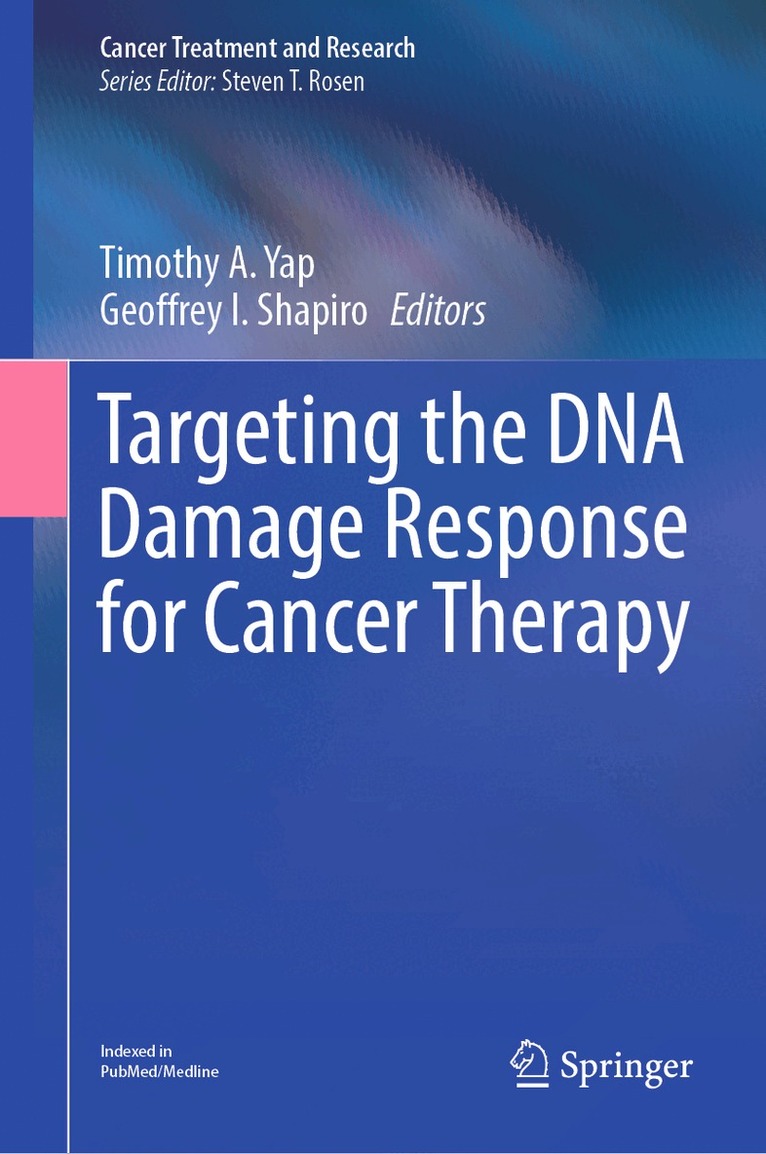
Del 186 - Cancer Treatment and Research
Targeting the DNA Damage Response for Cancer Therapy
Inbunden, Engelska, 2023
1 434 kr
Skickas inom 10-15 vardagar
This book discusses the latest developments in Poly (ADP-ribose) polymerase (PARP) inhibitor drug development. It focuses on the translational and clinical development of the latest drugs, as well as the evidence for regulatory approval of PARP inhibitors in multiple different molecular subtypes and tumor indications. The most-up-to-date information on basic scientific research on DNA repair pathways and the DNA Damage Response (DDR) is also covered. Every chapter contains insight into the preclinical, translational along with clinical aspects of a specific DDR inhibitor with key and expert opinion points reinforcing the most important concepts detailed to enable the reader to develop a deep understanding of the topic.Targeting the DNA Damage Response for Cancer Therapy comprehensively reviews the application of PARP and other DDR inhibitors across oncology disciplines. Therefore, it is a valuable resource for all medical professionals and researchers who use or who are researching the use of these inhibitors on a day-to-day basis.
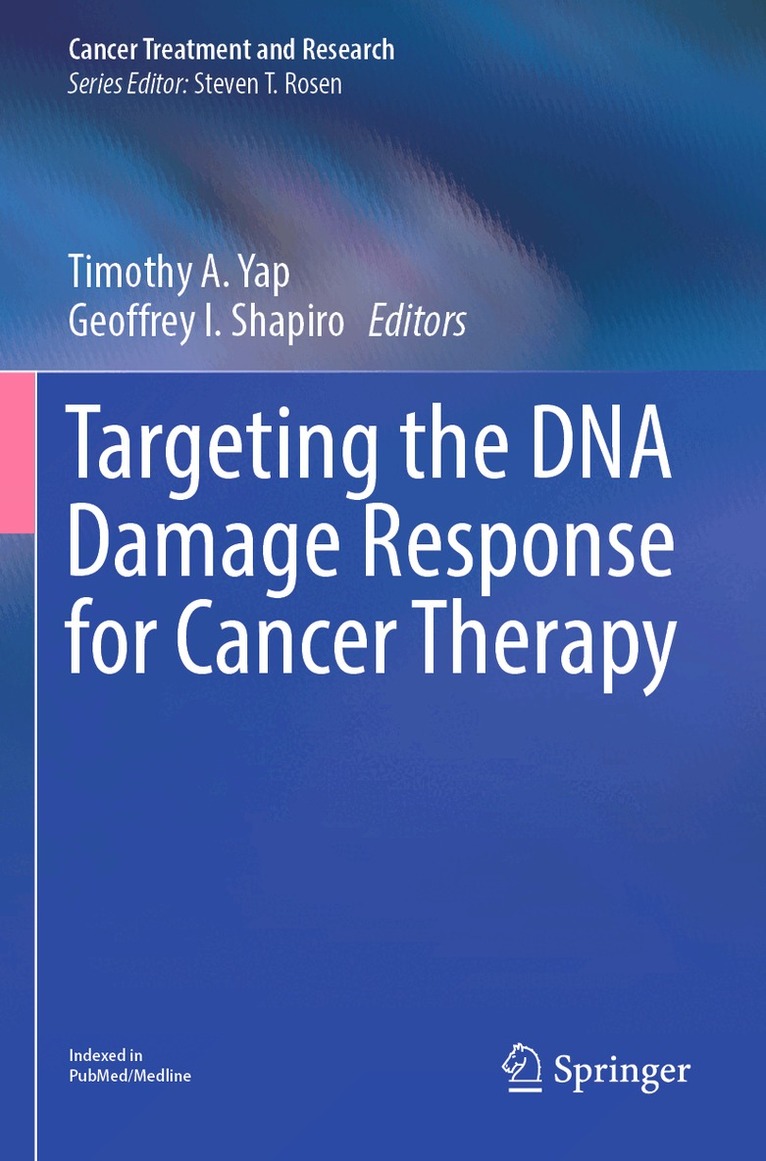
Del 186 - Cancer Treatment and Research
Targeting the DNA Damage Response for Cancer Therapy
Häftad, Engelska, 2024
1 105 kr
Skickas inom 10-15 vardagar
This book discusses the latest developments in Poly (ADP-ribose) polymerase (PARP) inhibitor drug development. It focuses on the translational and clinical development of the latest drugs, as well as the evidence for regulatory approval of PARP inhibitors in multiple different molecular subtypes and tumor indications. The most-up-to-date information on basic scientific research on DNA repair pathways and the DNA Damage Response (DDR) is also covered. Every chapter contains insight into the preclinical, translational along with clinical aspects of a specific DDR inhibitor with key and expert opinion points reinforcing the most important concepts detailed to enable the reader to develop a deep understanding of the topic.Targeting the DNA Damage Response for Cancer Therapy comprehensively reviews the application of PARP and other DDR inhibitors across oncology disciplines. Therefore, it is a valuable resource for all medical professionals and researchers who use or who are researching the use of these inhibitors on a day-to-day basis.