Timothy Power – författare
Visar alla böcker från författaren Timothy Power. Handla med fri frakt och snabb leverans.
3 produkter
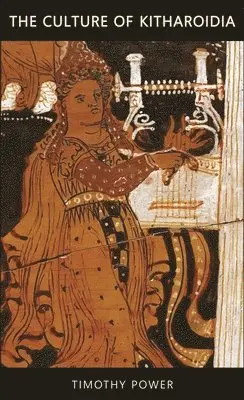
Culture of Kitharoidia
Häftad, 2011
382 kr
Lägg i varukorg
Kitharoidia was arguably the most popular, most geographically widespread, and longest-running performance genre in antiquity. From the archaic period to the late Roman imperial era, citharodes enjoyed star status, playing their songs to vast crowds at festival competitions and concerts throughout …
Boy Who Howled
E-bok, 2010, 6-9 år
88 kr
Lägg i varukorg
As far back as Callum can really remember, he''s been living in the Wild as the furless mascot of a wolf pack. But when his pack sends him back to live with his own kind-humans-fitting in is quite a challenge. He doesn''t remember English very well, so he accidentally says his name is "Clam." He''s …
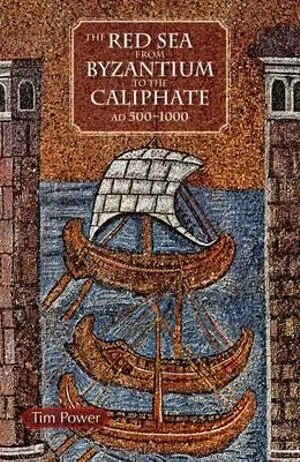
Red Sea from Byzantium to the Caliphate
AD 500-1000
Inbunden, 2012
401 kr
Lägg i varukorg
This book examines the historic process traditionally referred to as the fall of Rome and rise of Islam from the perspective of the Red Sea, a strategic waterway linking the Mediterranean to the Indian Ocean and a distinct region incorporating Africa with Arabia. The transition from Byzantium to …