Timothy Scarnecchia - Böcker
Visar alla böcker från författaren Timothy Scarnecchia. Handla med fri frakt och snabb leverans.
2 produkter
2 produkter
Del 35 - Rochester Studies in African History and the Diaspora
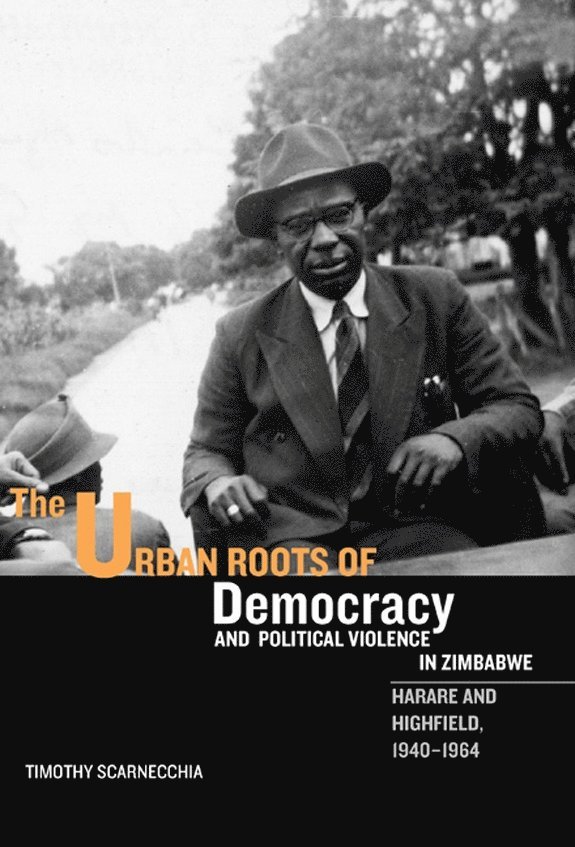
Urban Roots of Democracy and Political Violence in Zimbabwe
Harare and Highfield, 1940-1964
Häftad, Engelska, 2013
320 kr
Skickas inom 7-10 vardagar
A timely examination of African politics during the formative years of Zimbabwean nationalism.The Urban Roots of Democracy and Political Violence in Zimbabwe details a democratic tradition developed in the 1940s and 1950s, and a movement that would fall victim to an increasingly elitist and divisive political culture by the 1960s. Providing biographical sketches of key personalities within the genealogy of nationalist politics, Timothy Scarnecchia weaves an intricate narrative that traces the trajectories of earlier democratic traditions inZimbabwe, including women's political movements, township organizations, and trade unions. This work suggests that intense rivalries for control of the nationalist leadership after 1960, the "sell-out" politics of that period, andCold War funding for rival groups contributed to a unique political impasse, ultimately resulting in the largely autocratic and violent political state today. The author further proposes that this recourse to political violence,"top-down" nationalism, and the abandonment of urban democratic traditions are all hallmarks of a particular type of nationalism equally unsustainable in Zimbabwe then as it is now.Timothy Scarnecchia is assistant professor of African history at Kent State University in Kent, Ohio.
Del 45 - African Issues
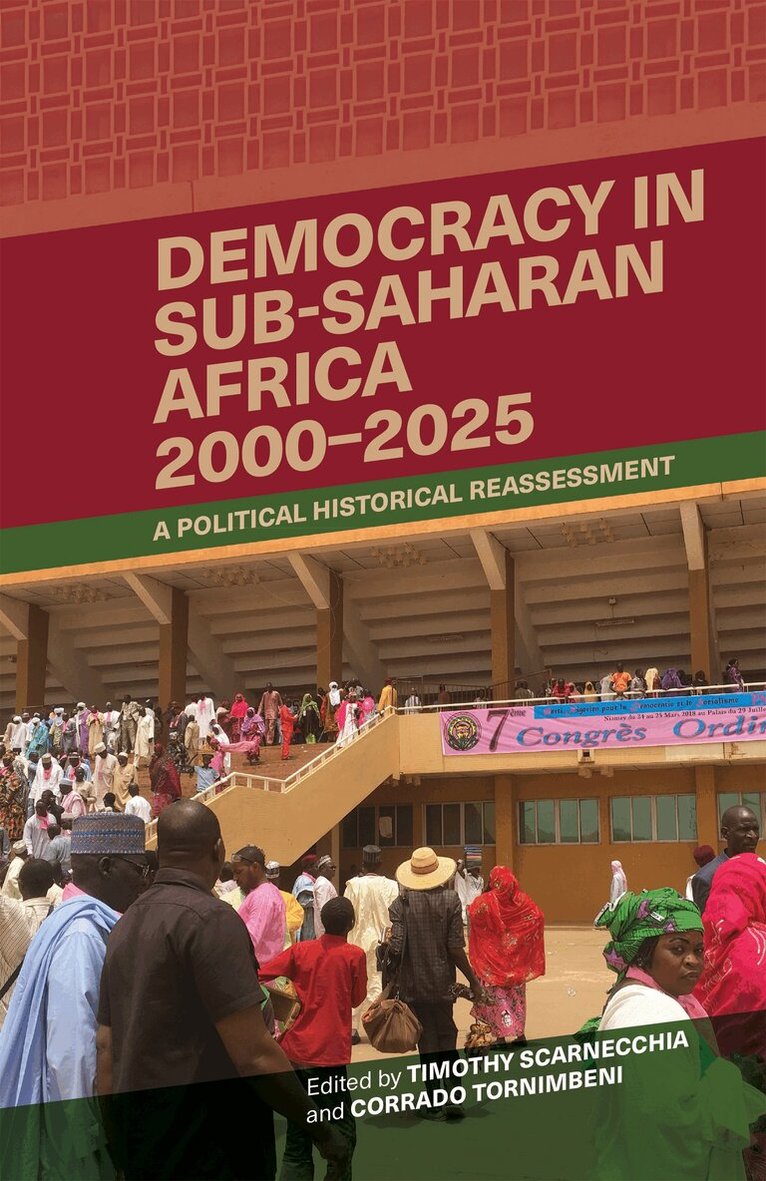
Democracy in Sub-Saharan Africa, 2000-2025
A Political Historical Reassessment
Inbunden, Engelska, 2026
1 163 kr
Skickas inom 7-10 vardagar
Is democracy surviving in Africa? Despite the continuance of multiparty elections, in the face of unmet expectations for greater freedom, social justice, and inclusive development, an increasing authoritarianism is spreading across the continent.Although most African states continue to use some form of multiparty elections according to the formal rules of liberal democracy, the reality is that people's expectations for greater freedom, social justice, and inclusive development have not been met. The result is a growing number of African states where power relations are increasingly authoritarian - a trend seen in the West as well. Bringing together contributors from Africa, Europe, and North America, this volume seeks to analyze democracy in sub-Saharan Africa beyond the mere examination of the elements that determine its impasse, the political factors that hinder the proper functioning of democratic institutions or even the models through which a country's level of democratic status is "indexed." Instead, the goal is to address current states of "democracy" in Africa within a larger, global history. Given the post-colonial histories of most African nations, the current demise of democratic governments on the continent cannot be interpreted as a new phenomenon without precedent. The volume presents a longer-view perspective to explain more specifically how history can explain the current crises in democracy and development, exploring how negotiations between external and internal interests have always contested their meanings in Africa, and arguing that these struggles continue to create new conditions for new democratic spaces.