Häftad, Engelska, 2013
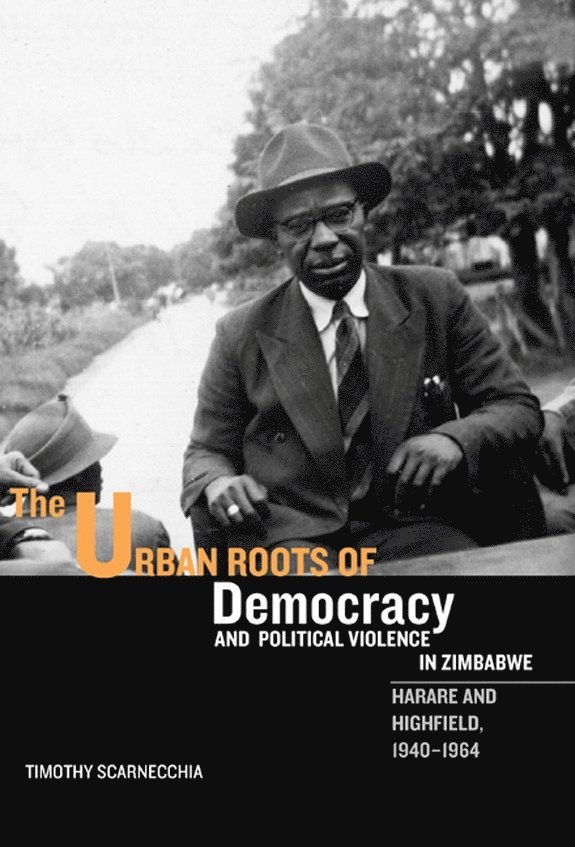
Urban Roots of Democracy and Political Violence in Zimbabwe
Harare and Highfield, 1940-1964
Del 35 i serien Rochester Studies in African History and the Diaspora
304 kr
Beställningsvara. Skickas inom 7-10 vardagar. Fri frakt över 249 kr.
Beskrivning
Produktinformation
- Utgivningsdatum: 2013-08-01
- Mått: 152 x 229 x 14 mm
- Vikt: 348 g
- Format: Häftad
- Språk: Engelska
- Serie: Rochester Studies in African History and the Diaspora
- Antal sidor: 240
- Förlag: Boydell & Brewer Ltd
- ISBN: 9781580463638
Utforska kategorier
Mer om författaren
TIMOTHY SCARNECCHIA is Professor of History at Kent State University, USA.
Recensioner i media
[An] original and intriguing book. [.] Scarnecchia skilfully moves his analysis between the local, national and international dimensions of the nationalist struggle in order to show how the deepening fault lines of class, gender and nation undermined the coherence of the nationalist movement and fuelled a politics of intimidation. In doing so he effectively undermines Zimbabwe's nationalist historiography of anticolonial triumph, and adds a valuable contribution to a growing revisionist historiography of African nationalism that seeks new explanations for the pernicious tendencies of African regimes.
Betyg & recensioner
0 recensioner
Inga recensioner tillgängliga.