Timothy Stacey – författare
Visar alla böcker från författaren Timothy Stacey. Handla med fri frakt och snabb leverans.
7 produkter
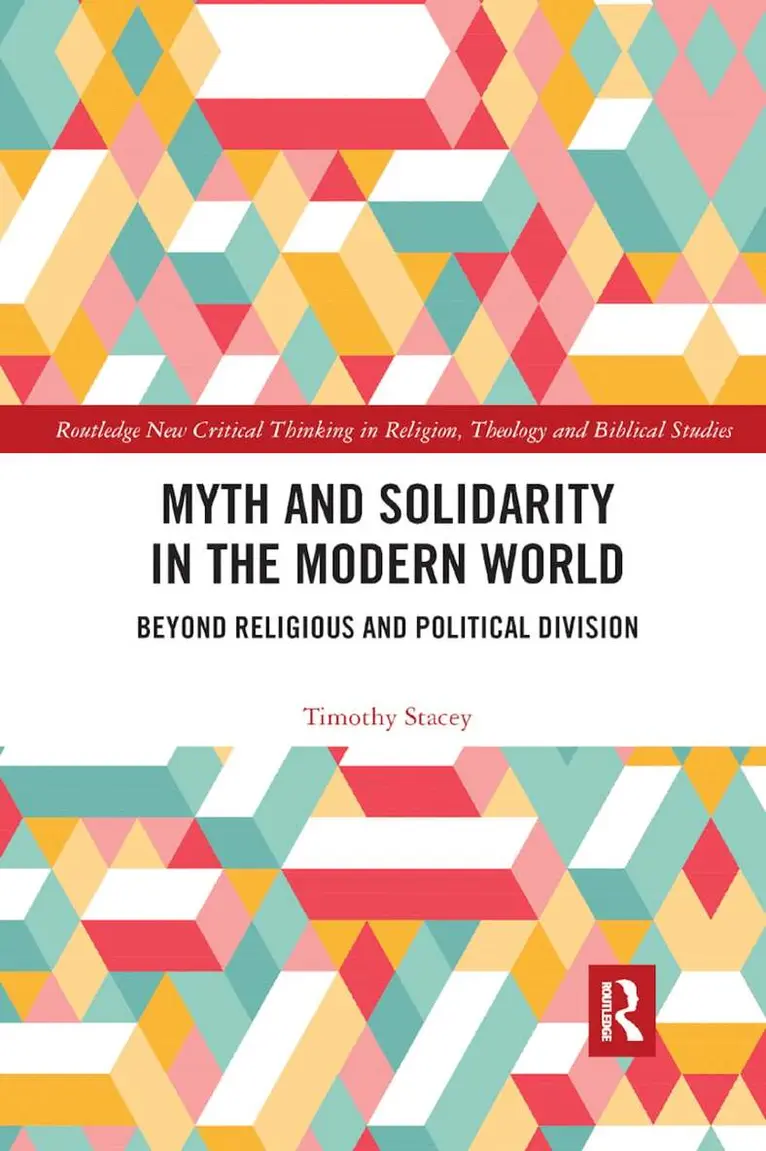
Myth and Solidarity in the Modern World
Beyond Religious and Political Division
Häftad, 2019
736 kr
Lägg i varukorg
In the context of the rise of reactionary politics across the globe, this book seeks new ways of developing solidarity across religious, political and economic differences. Drawing on an increasingly influential Christian theological movement, postliberalism, it claims that the dominance of …
Myth and Solidarity in the Modern World
Beyond Religious and Political Division
Inbunden, 2018
2516 kr
Lägg i varukorg
In the context of the rise of reactionary politics across the globe, this book seeks new ways of developing solidarity across religious, political and economic differences. Drawing on an increasingly influential Christian theological movement, postliberalism, it claims that the dominance of …
Myth and Solidarity in the Modern World
Beyond Religious and Political Division
E-bok, 2018
847 kr
Lägg i varukorg
In the context of the rise of reactionary politics across the globe, this book seeks new ways of developing solidarity across religious, political and economic differences. Drawing on an increasingly influential Christian theological movement, postliberalism, it claims that the dominance of …
Myth and Solidarity in the Modern World
Beyond Religious and Political Division
E-bok, 2018
866 kr
Lägg i varukorg
In the context of the rise of reactionary politics across the globe, this book seeks new ways of developing solidarity across religious, political and economic differences. Drawing on an increasingly influential Christian theological movement, postliberalism, it claims that the dominance of …
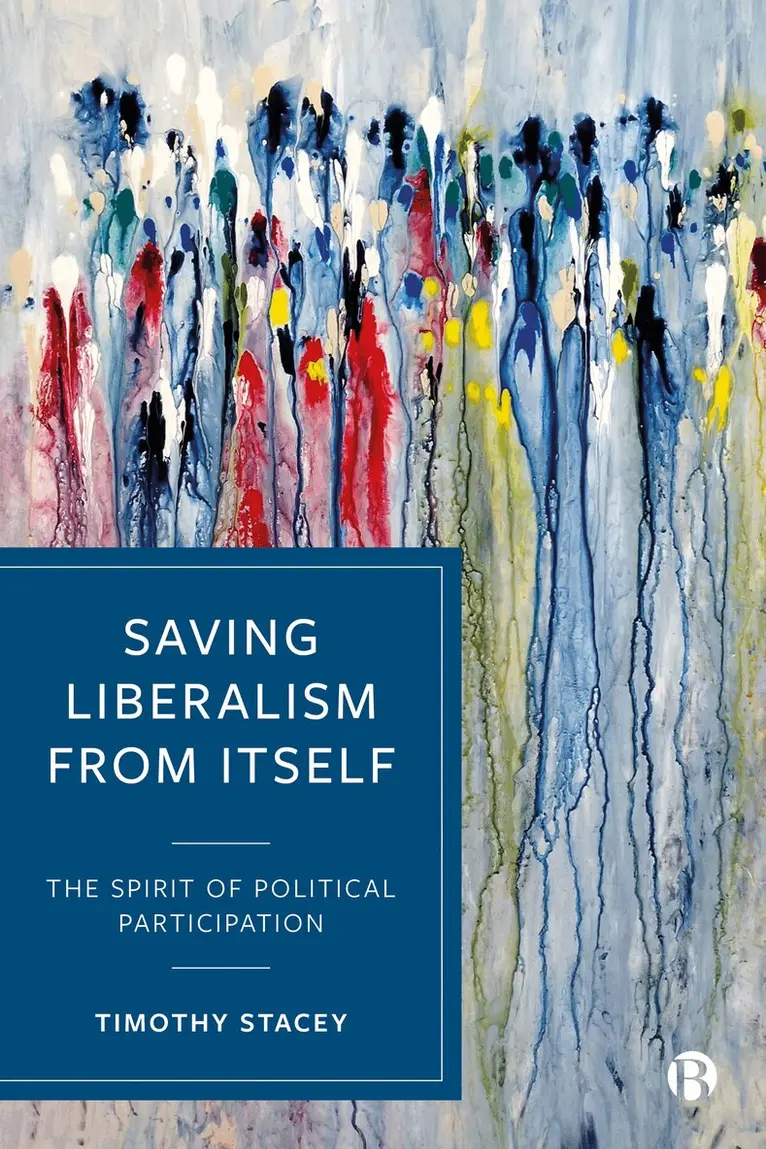
Saving Liberalism from Itself
The Spirit of Political Participation
Inbunden, 2022
1269 kr
Lägg i varukorg
Available Open Access digitally under CC-BY-NC-ND licenceIn the wake of populism, Timothy Stacey’s book critically reflects on what is missing from the liberal project with the aim of saving liberalism.It explains that populists have harnessed myth, ritual, magic and tradition to advance their …
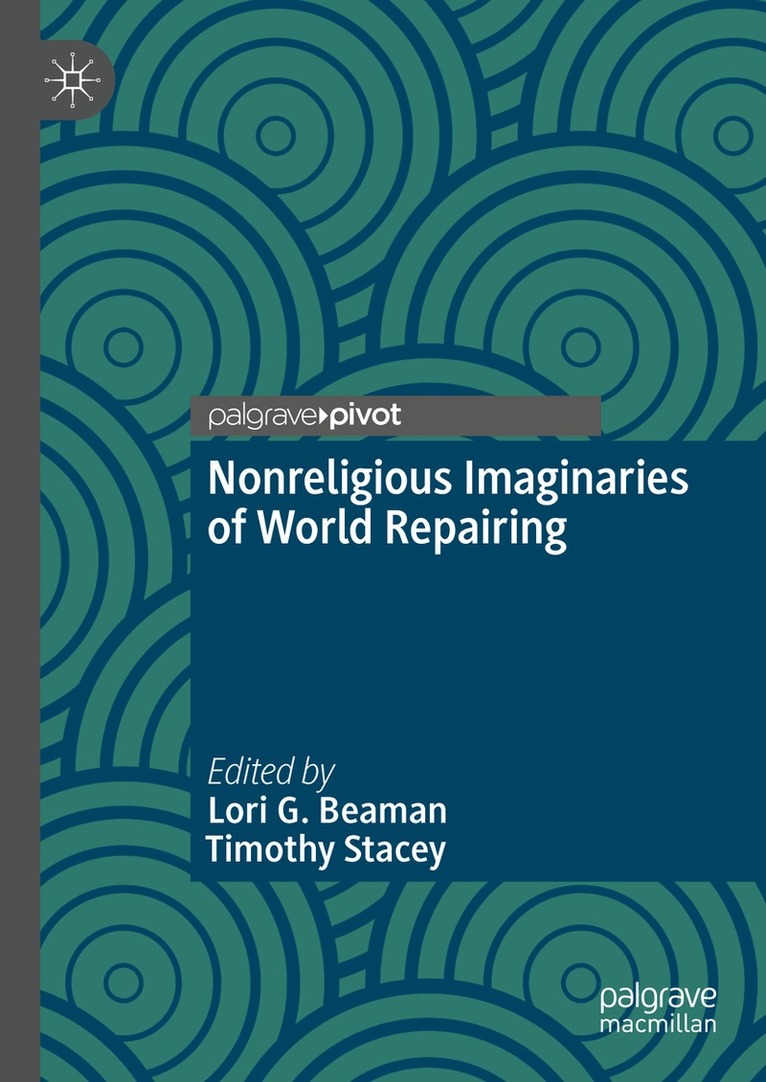
Nonreligious Imaginaries of World Repairing
Av Lori G. Beaman, Timothy Stacey
Inbunden, 2021
1423 kr
Lägg i varukorg
The world is confronted with multiple intersecting crises including exploitation, inequality, political polarization and climate change. World-repairing work is vitally needed. But just at a time when humans most obviously require robust moral imaginaries on which to draw, it is no longer clear …
Nonreligious Imaginaries of World Repairing
Av Timothy Stacey, Lori G. Beaman
E-bok, 2021
1746 kr
Lägg i varukorg
The world is confronted with multiple intersecting crises including exploitation, inequality, political polarization and climate change. World-repairing work is vitally needed. But just at a time when humans most obviously require robust moral imaginaries on which to draw, it is no longer clear …