Tina Loo – författare
Visar alla böcker från författaren Tina Loo. Handla med fri frakt och snabb leverans.
12 produkter
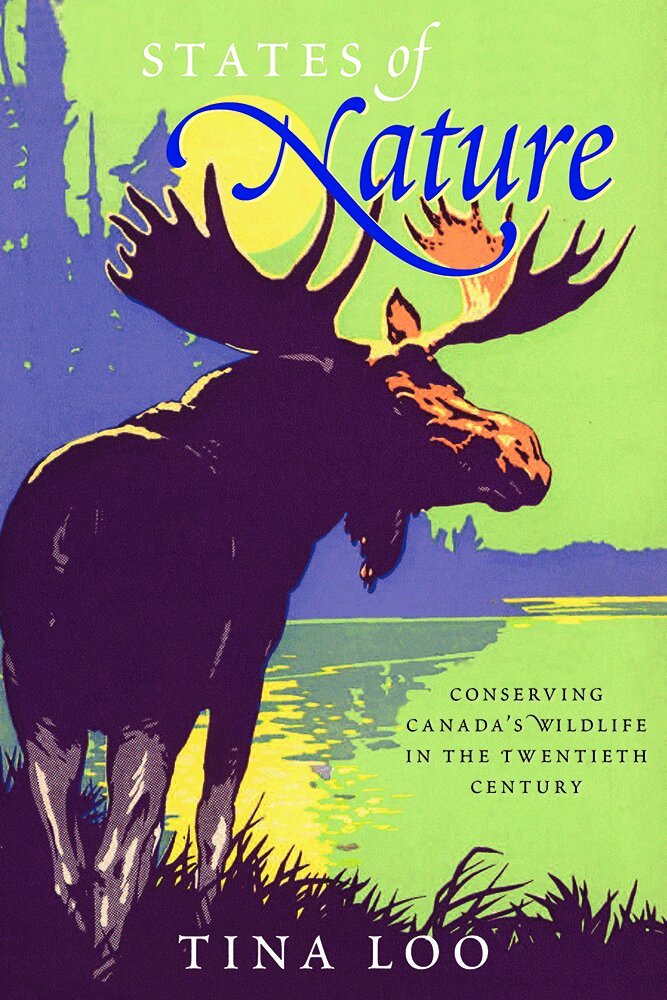
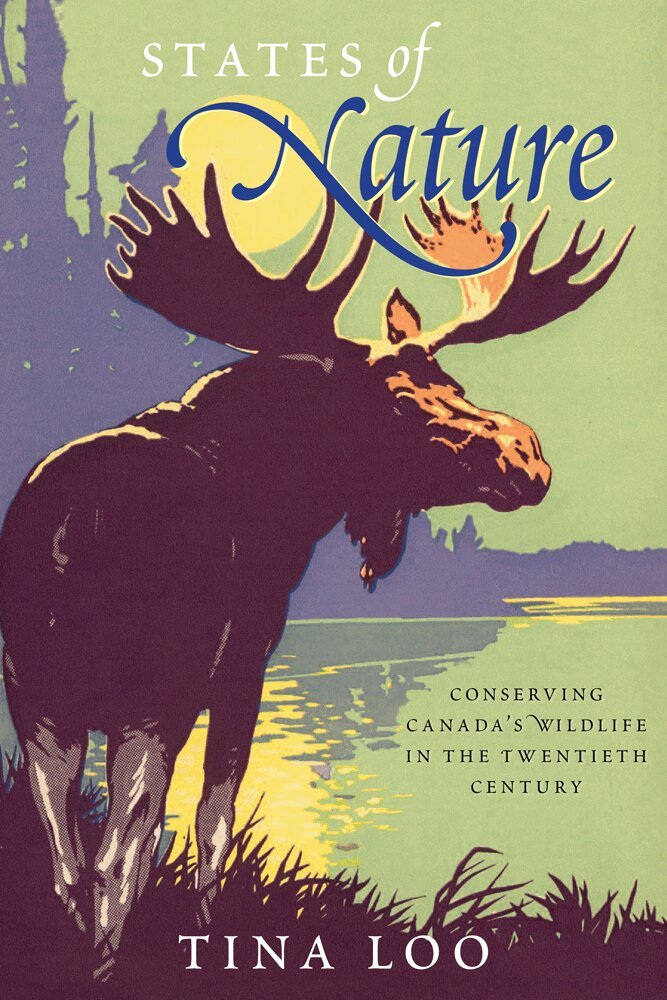
States of Nature
Conserving Canada's Wildlife in the Twentieth Century
Av Tina Loo
Häftad, 2007
365 kr
Lägg i varukorg
Since the early days of the fur trade, wildlife has been powerfully and inspiringly emblematic of Canada. Yet the story of saving Canada's wildlife is largely unknown. States of Nature is one of the first books to trace the development of Canadian wildlife conservation from its social, political, …
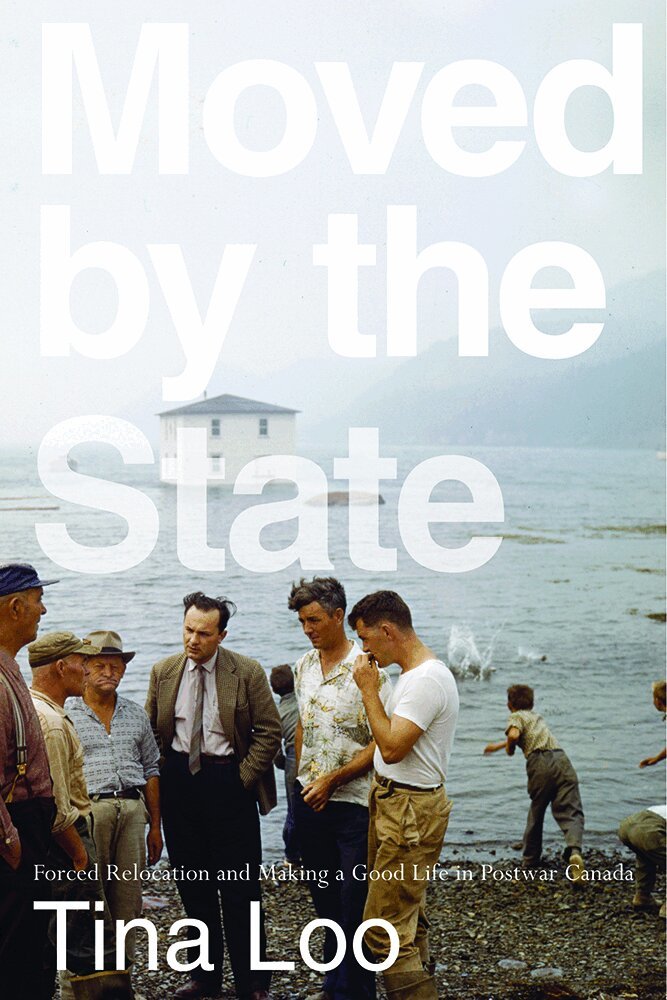
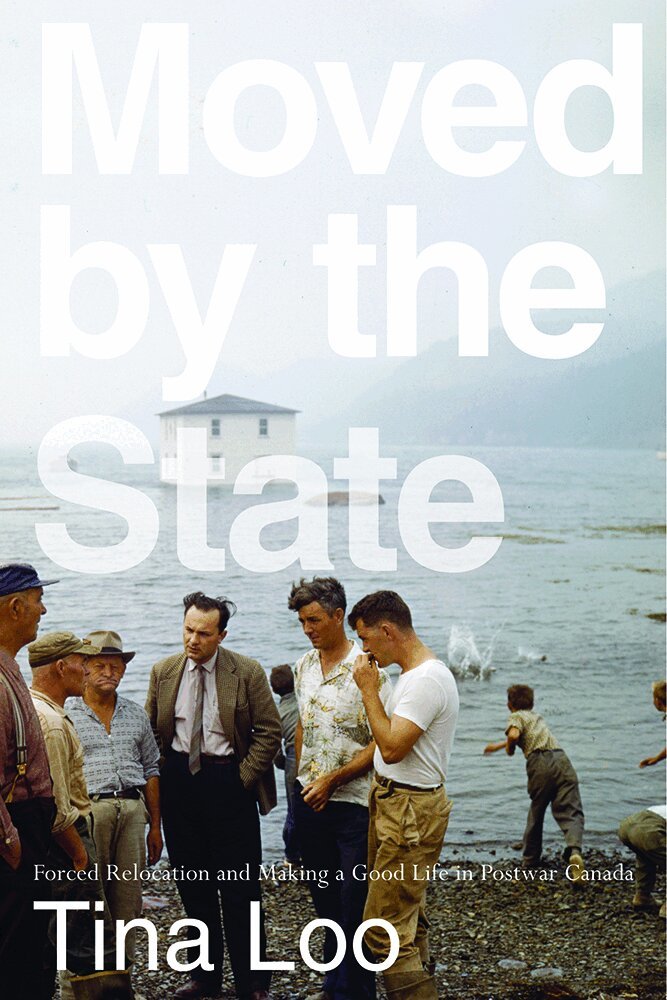
Moved by the State
Forced Relocation and Making a Good Life in Postwar Canada
Av Tina Loo
Inbunden, 2019
1045 kr
Lägg i varukorg
"Why don't they just move?" This reductive question is asked whenever reports surface of the all-too-common lack of social services and economic opportunities in Canada's rural and urban communities. But why are certain people and places vulnerable? And who is responsible for a remedy?From the …
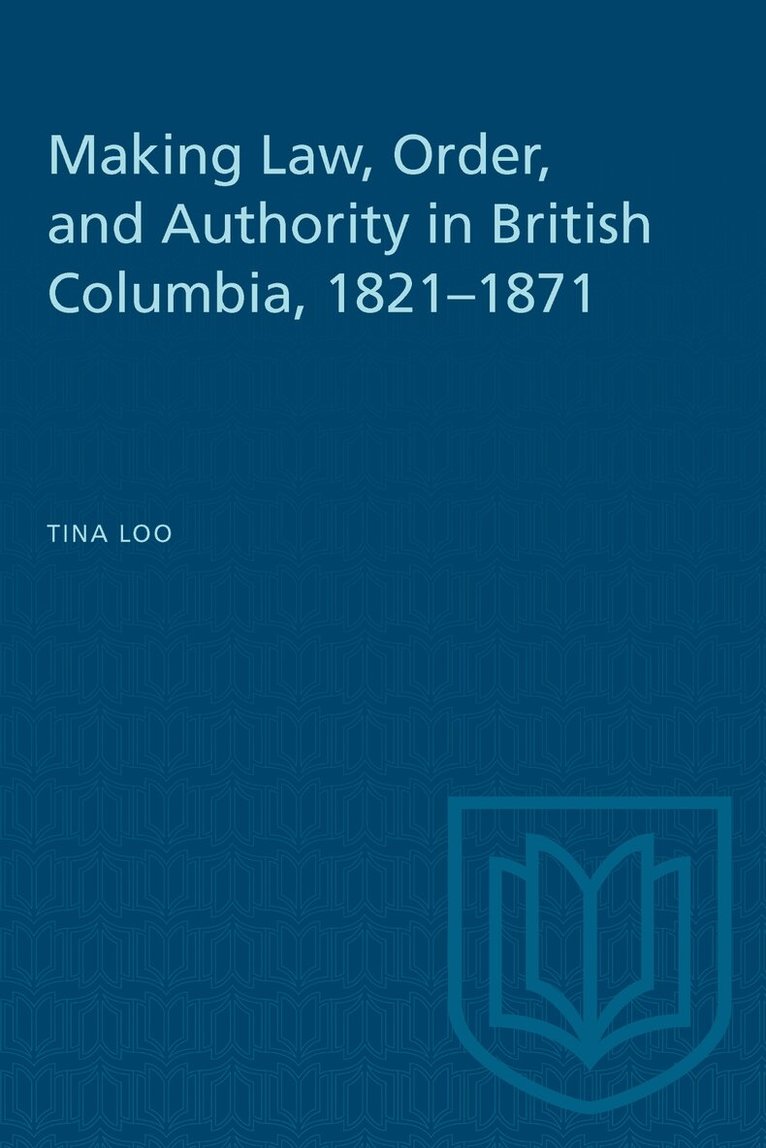
Making Law, Order, and Authority in British Columbia, 1821-1871
Av Tina Loo
Häftad, 1994
381 kr
Lägg i varukorg
In 1821, British Columbia was the exclusive domain of an independent Native population and the Hudson's Bay Company. By the time it entered Confederation some fifty years later, a British colonial government was firmly in place. In this book Tina Loo recounts the shaping of the new regime.The …
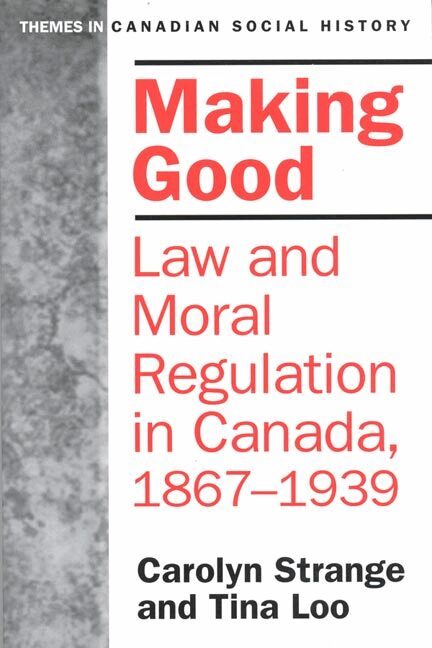
Making Good
Law and Moral Regulation in Canada, 1867-1939.
Häftad, 1997
294 kr
Lägg i varukorg
Young Canada was often portrayed as a virginal woman or as a healthy frontiersman, and the ideals of purity, industry, and self-discipline were celebrated as essential features of the Canadian identity. To ensure that Canadians lived up to this image, different levels of government passed a variety …
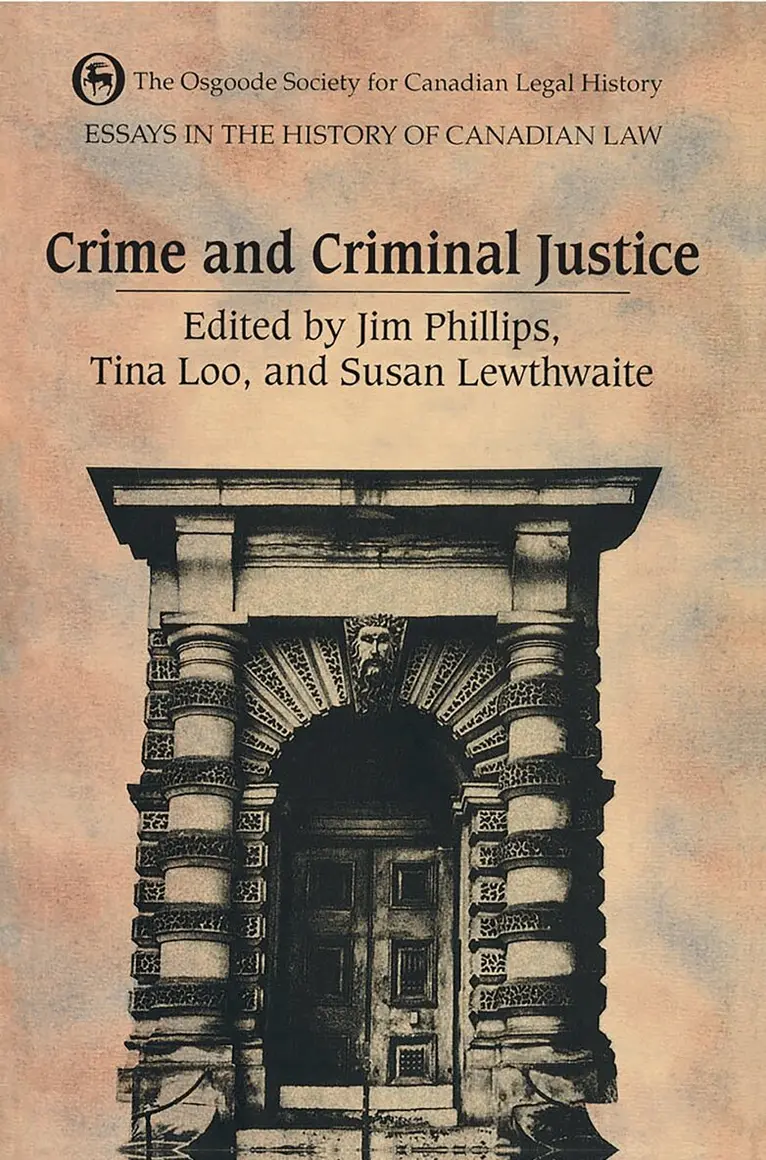
Essays in the History of Canadian Law, Volume V
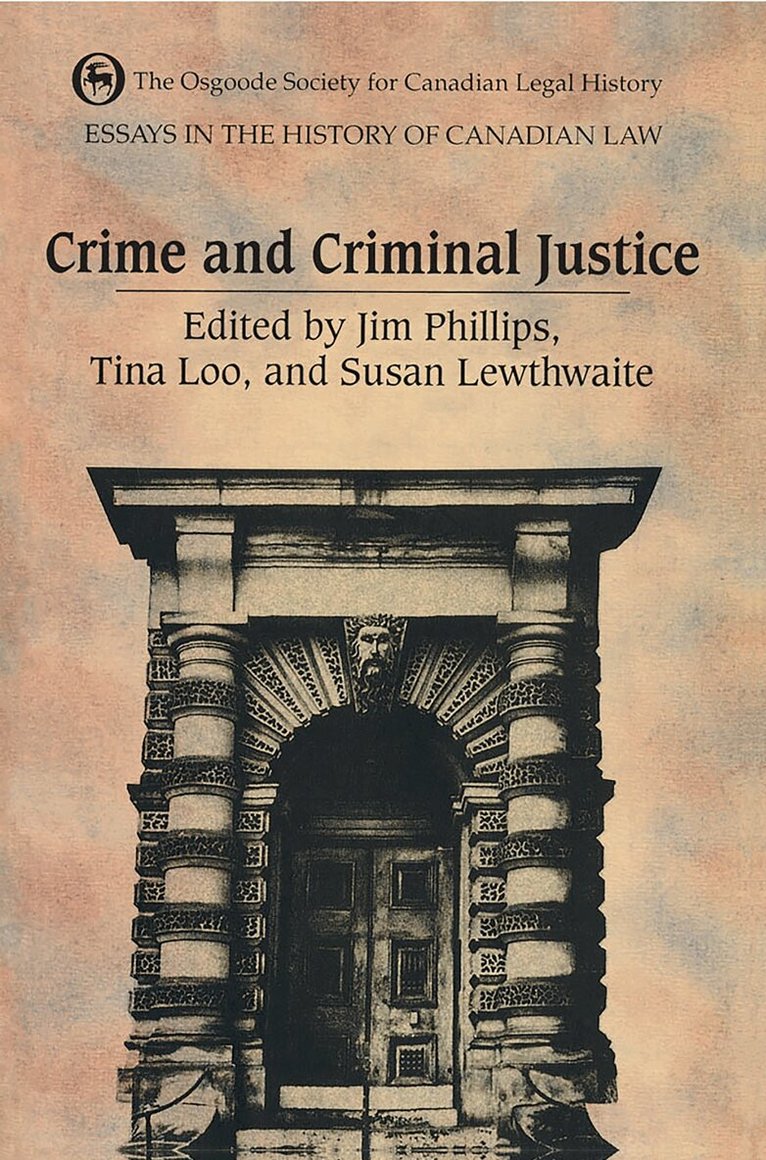
Crime and Criminal Justice
Av Susan Lewthwaite, Tina Loo m. fl.
E-bok, 1994
1035 kr
Lägg i varukorg
This fifth volume in the distinguished series on the history of Canadian law turns to the important issues of crime and criminal justice. In examining crime and criminal law specifically, the volume contributes to the long-standing concern of Canadian historians with law, order, and authority.The …
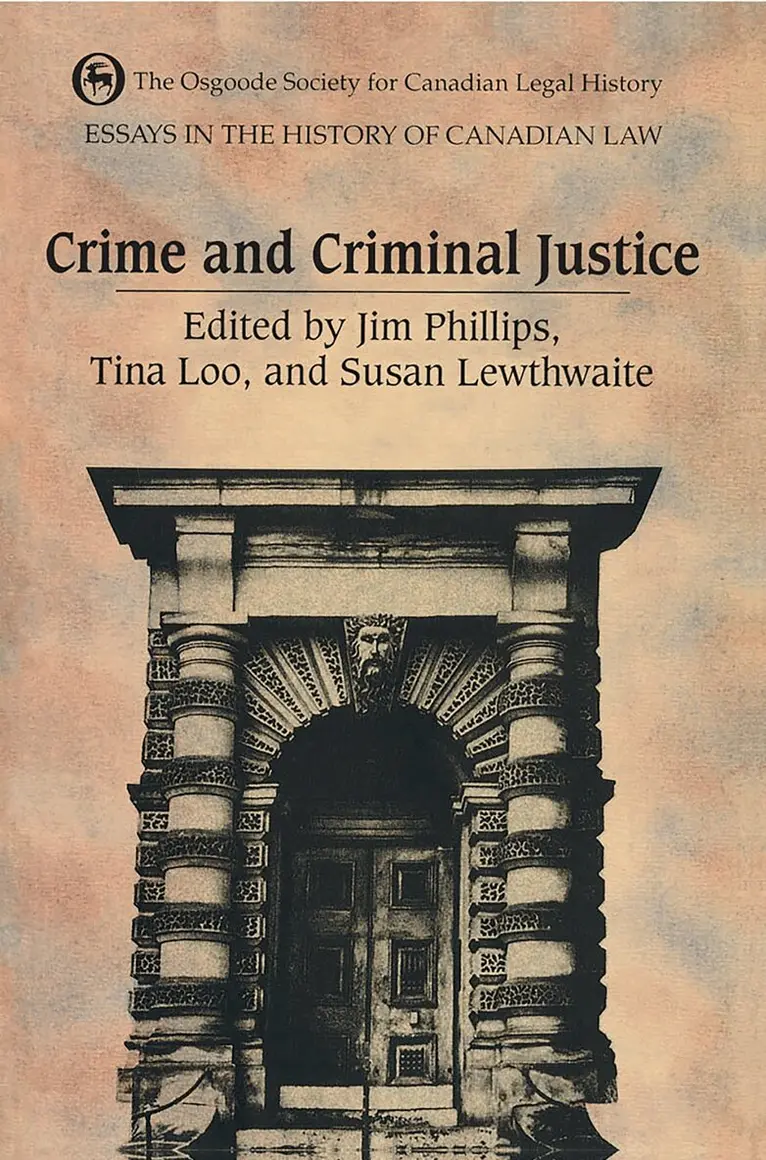
Essays in the History of Canadian Law, Volume V
Crime and Criminal Justice
Av Susan Lewthwaite, Tina Loo m. fl.
E-bok, 1994
890 kr
Lägg i varukorg
This fifth volume in the distinguished series on the history of Canadian law turns to the important issues of crime and criminal justice. In examining crime and criminal law specifically, the volume contributes to the long-standing concern of Canadian historians with law, order, and authority.The …
Making Good
Law and Moral Regulation in Canada, 1867-1939.
E-bok, 1997
940 kr
Lägg i varukorg
Young Canada was often portrayed as a virginal woman or as a healthy frontiersman, and the ideals of purity, industry, and self-discipline were celebrated as essential features of the Canadian identity. To ensure that Canadians lived up to this image, different levels of government passed a variety …
Making Law, Order, and Authority in British Columbia, 1821–1871
Av Tina Loo
E-bok, 1994
487 kr
Lägg i varukorg
In 1821, British Columbia was the exclusive domain of an independent Native population and the Hudson''s Bay Company. By te time it entered Confederation some fifty years later, a British colonial government was firmly in place. In this book Tina Loo recounts the shaping of the new regime. The …
States of Nature
Conserving Canada's Wildlife in the Twentieth Century
Av Tina Loo
Inbunden, 2006
1183 kr
Tillfälligt slut
Since the early days of the fur trade, wildlife has been powerfully and inspiringly emblematic of Canada. Yet the story of saving Canada's wildlife is largely unknown. States of Nature is one of the first books to trace the development of Canadian wildlife conservation from its social, political, …
Moved by the State
Forced Relocation and Making a Good Life in Postwar Canada
Av Tina Loo
Häftad, 2019
367 kr
Tillfälligt slut
"Why don't they just move?" This reductive question is asked whenever reports surface of the all-too-common lack of social services and economic opportunities in Canada's rural and urban communities. But why are certain people and places vulnerable? And who is responsible for a remedy?From the …
Making Good
Law and Moral Regulation in Canada, 1867-1939.
Inbunden, 1997
677 kr
Tillfälligt slut
Young Canada was often portrayed as a virginal woman or as a healthy frontiersman, and the ideals of purity, industry, and self-discipline were celebrated as essential features of the Canadian identity. To ensure that Canadians lived up to this image, different levels of government passed a variety …
Essays in the History of Canadian Law, Volume V
Crime and Criminal Justice
Av Susan Lewthwaite, Tina Loo m. fl.
Häftad, 1994
912 kr
Tillfälligt slut
This fifth volume in the distinguished series on the history of Canadian law turns to the important issues of crime and criminal justice. In examining crime and criminal law specifically, the volume contributes to the long-standing concern of Canadian historians with law, order, and authority.The …