Tiziano Zgaga – författare
Visar alla böcker från författaren Tiziano Zgaga. Handla med fri frakt och snabb leverans.
6 produkter
6 produkter
E-bok
PDF, Engelska, 2026275 kr
Läs direkt efter köp
E-bok
Engelska, 2026275 kr
Läs direkt efter köp
Häftad, Engelska, 2026
230 kr
Skickas inom 7-10 vardagar
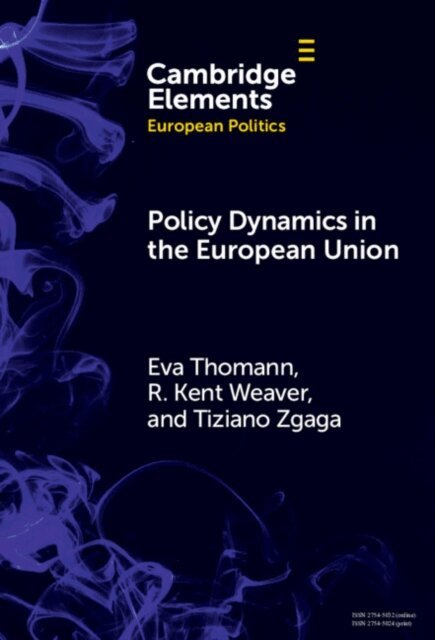
In multilevel governance systems, member states work together to address cross-border problems, yet people still lack a clear understanding of how and why their policies differ or converge. Existing research offers many explanations but often treats them separately or overstates the EU's independent influence. This Element brings these perspectives together in a single framework of policy dynamics. It distinguishes policy areas shaped mainly by EU institutions or member states, or by their interaction. It introduces an actor-centered typology of policy dynamics - stable patterns of actors, incentives, and mechanisms that shape policy over time. The Element shows that these dynamics matter only when governments, interest groups, and NGOs have the incentives, capacity, and leverage to build coalitions and pursue goals. The policy dynamics framework helps learners identify likely causal mechanisms and supports clearer comparison, explanation, and teaching of EU policymaking. This title is also available as Open Access on Cambridge Core.
Inbunden, Engelska, 2026
742 kr
Skickas inom 7-10 vardagar
In multilevel governance systems, member states work together to address cross-border problems, yet people still lack a clear understanding of how and why their policies differ or converge. Existing research offers many explanations but often treats them separately or overstates the EU's independent influence. This Element brings these perspectives together in a single framework of policy dynamics. It distinguishes policy areas shaped mainly by EU institutions or member states, or by their interaction. It introduces an actor-centered typology of policy dynamics - stable patterns of actors, incentives, and mechanisms that shape policy over time. The Element shows that these dynamics matter only when governments, interest groups, and NGOs have the incentives, capacity, and leverage to build coalitions and pursue goals. The policy dynamics framework helps learners identify likely causal mechanisms and supports clearer comparison, explanation, and teaching of EU policymaking. This title is also available as Open Access on Cambridge Core.
Inbunden, Engelska, 2026
1 527 kr
Skickas inom 10-15 vardagar
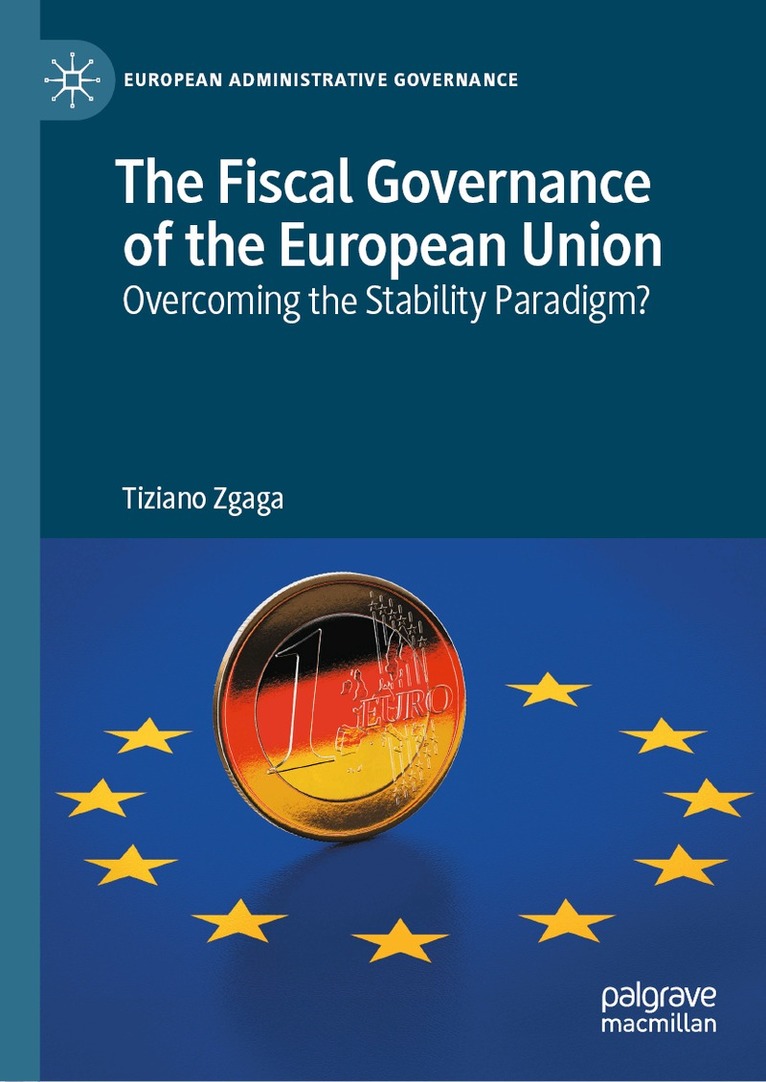
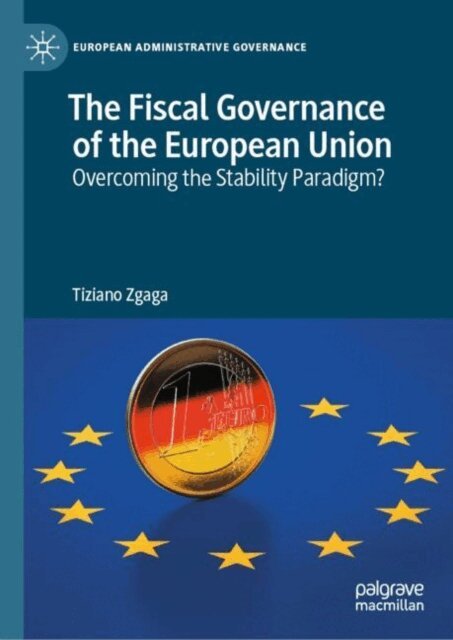
This book provides an in-depth analysis of the fiscal governance of the European Union (EU) from the Maastricht Treaty (1992) to the reform of the Stability and Growth Pact (2024) and the new wave of defence spending in Europe in 2025. It shows how and why the stability paradigm of Economic and Monetary Union has changed across three major crises—the euro crisis, the COVID-19 pandemic, and Russia’s invasion of Ukraine—as a result of compromises between competing fiscal ideas, particularly those supported by Germany, France, and Italy. As the complex framework of fiscal rules has become increasingly flexible to allow greater spending at both the national and European level, the book examines the extent to which the original stability paradigm has been replaced by a new fiscal paradigm. It focuses on the drivers of key moments of fiscal change and reflects on their implications for the future of the EU. The book will appeal to scholars, practitioners, and students interested in EU fiscal integration in political science, public administration, and law.
E-bok
Engelska, 20261 841 kr
Läs direkt efter köp
This book provides an in-depth analysis of the fiscal governance of the European Union (EU) from the Maastricht Treaty (1992) to the reform of the Stability and Growth Pact (2024) and the new wave of defence spending in Europe in 2025. It shows how and why the stability paradigm of Economic and Monetary Union has changed across three major crises—the euro crisis, the COVID-19 pandemic, and Russia’s invasion of Ukraine—as a result of compromises between competing fiscal ideas, particularly those supported by Germany, France, and Italy. As the complex framework of fiscal rules has become increasingly flexible to allow greater spending at both the national and European level, the book examines the extent to which the original stability paradigm has been replaced by a new fiscal paradigm. It focuses on the drivers of key moments of fiscal change and reflects on their implications for the future of the EU. The book will appeal to scholars, practitioners, and students interested in EU fiscal integration in political science, public administration, and law.