Tomoyuki Sasaki – författare
Visar alla böcker från författaren Tomoyuki Sasaki. Handla med fri frakt och snabb leverans.
6 produkter
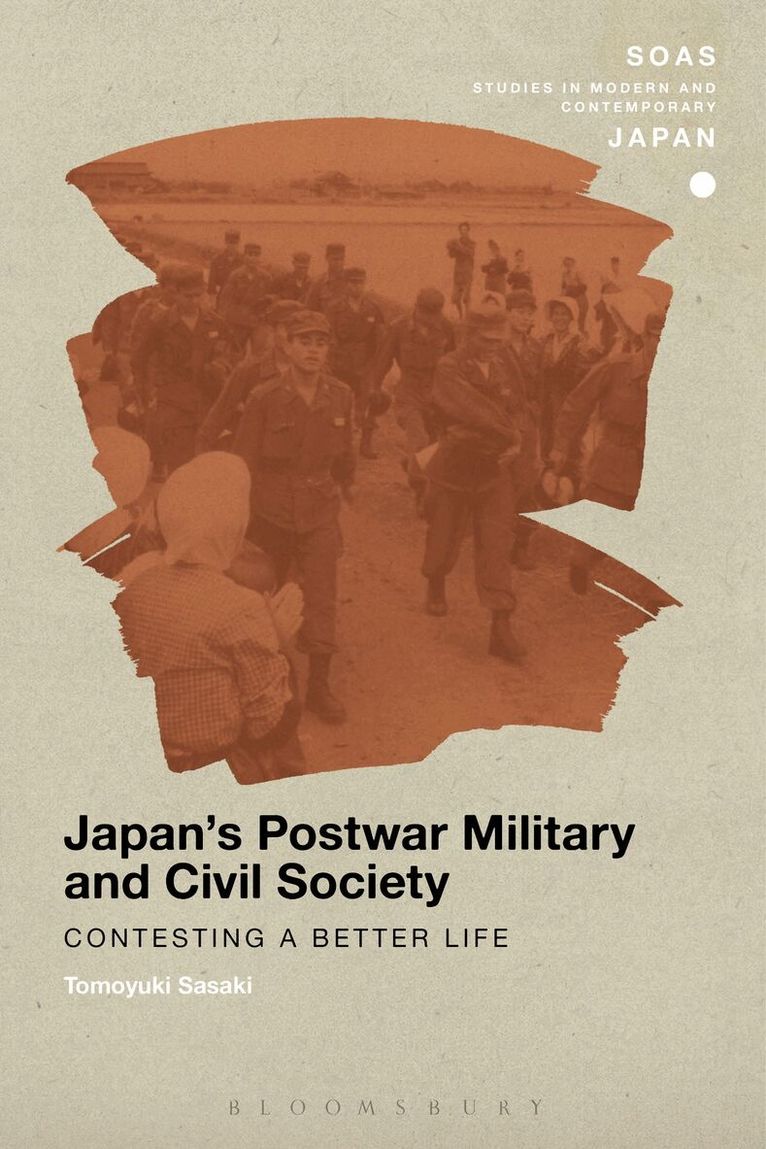
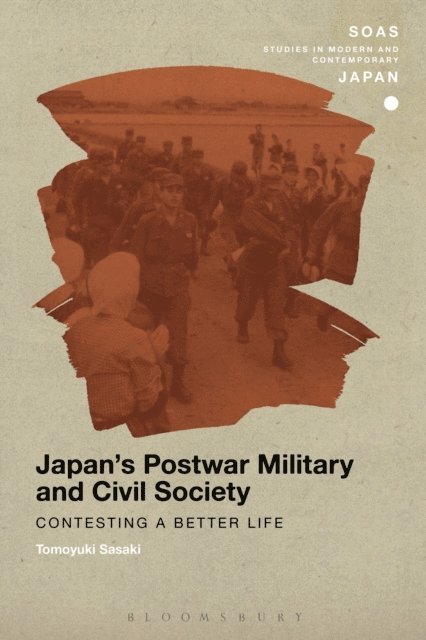
Japan's Postwar Military and Civil Society
Contesting a Better Life
Av Tomoyuki Sasaki, Christopher Gerteis
Häftad, 2017
574 kr
Lägg i varukorg
Japan's so-called 'peace constitution' renounces war as a sovereign right of the nation, and bans the nation from possessing any war potential. Yet Japan also maintains a large, world-class military organization, namely the Self-Defence Forces (SDF). In this book, Tomoyuki Sasaki explores how the …
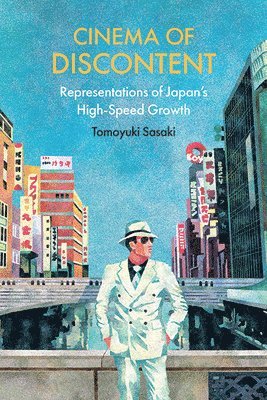
Cinema of Discontent
Representations of Japan's High-Speed Growth
Inbunden, 2022
1324 kr
Lägg i varukorg
Uses popular films to reveal the tensions generated during Japan's postwar "economic miracle," challenging the prevailing view that it was a story of great national success.From the mid-1950s to the mid-1970s, Japan experienced an unprecedented level of economic growth, transforming itself from a …
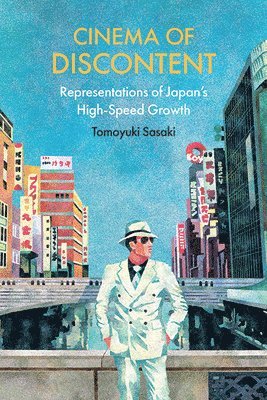
Cinema of Discontent
Representations of Japan's High-Speed Growth
Häftad, 2023
411 kr
Lägg i varukorg
Uses popular films to reveal the tensions generated during Japan's postwar "economic miracle," challenging the prevailing view that it was a story of great national success.From the mid-1950s to the mid-1970s, Japan experienced an unprecedented level of economic growth, transforming itself from a …
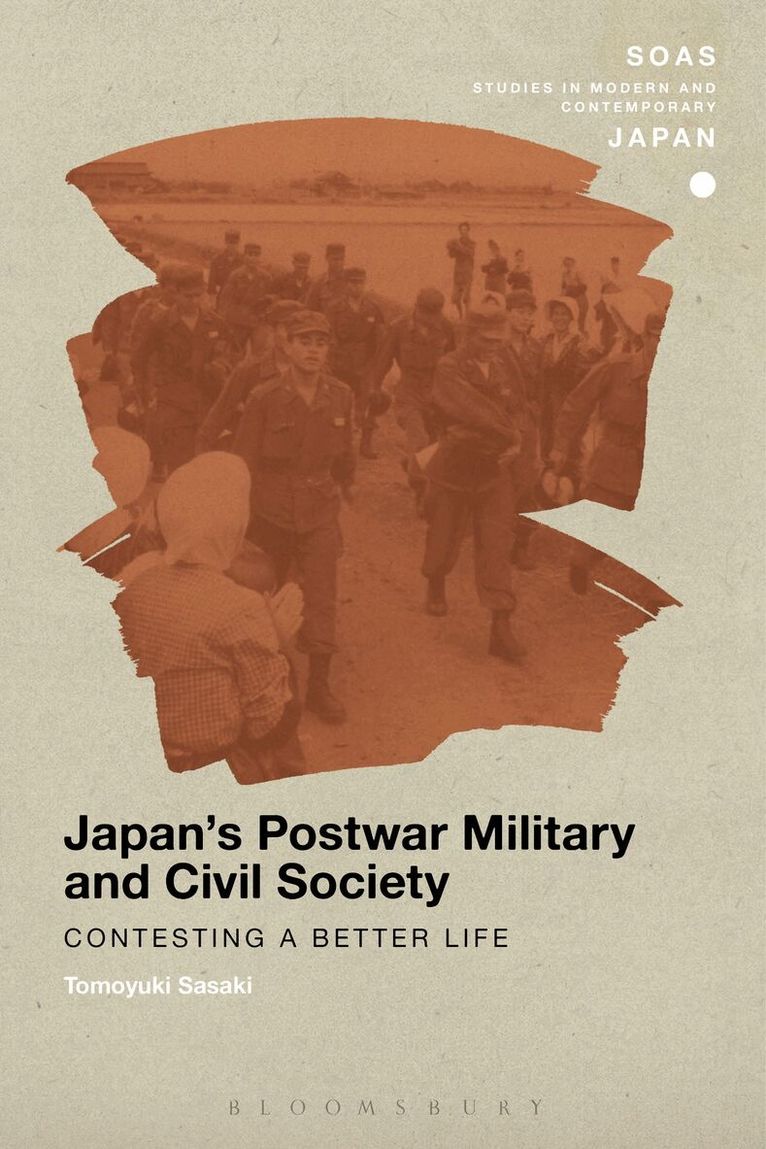
Japan's Postwar Military and Civil Society
Contesting a Better Life
Av Tomoyuki Sasaki, Christopher Gerteis
Inbunden, 2015
2043 kr
Lägg i varukorg
Japan's so-called 'peace constitution' renounces war as a sovereign right of the nation, and bans the nation from possessing any war potential. Yet Japan also maintains a large, world-class military organization, namely the Self-Defence Forces (SDF). In this book, Tomoyuki Sasaki explores how the …
Japan's Postwar Military and Civil Society
Contesting a Better Life
E-bok, 2015
606 kr
Lägg i varukorg
Japan''s so-called ''peace constitution'' renounces war as a sovereign right of the nation, and bans the nation from possessing any war potential. Yet Japan also maintains a large, world-class military organization, namely the Self-Defence Forces (SDF). In this book, Tomoyuki Sasaki explores how …
Japan's Postwar Military and Civil Society
Contesting a Better Life
E-bok, 2015
626 kr
Lägg i varukorg
Japan''s so-called ''peace constitution'' renounces war as a sovereign right of the nation, and bans the nation from possessing any war potential. Yet Japan also maintains a large, world-class military organization, namely the Self-Defence Forces (SDF). In this book, Tomoyuki Sasaki explores how …