Tony Sullivan - Böcker
Visar alla böcker från författaren Tony Sullivan. Handla med fri frakt och snabb leverans.
14 produkter
14 produkter
203 kr
Skickas inom 5-8 vardagar
156 kr
Skickas inom 5-8 vardagar
266 kr
Skickas
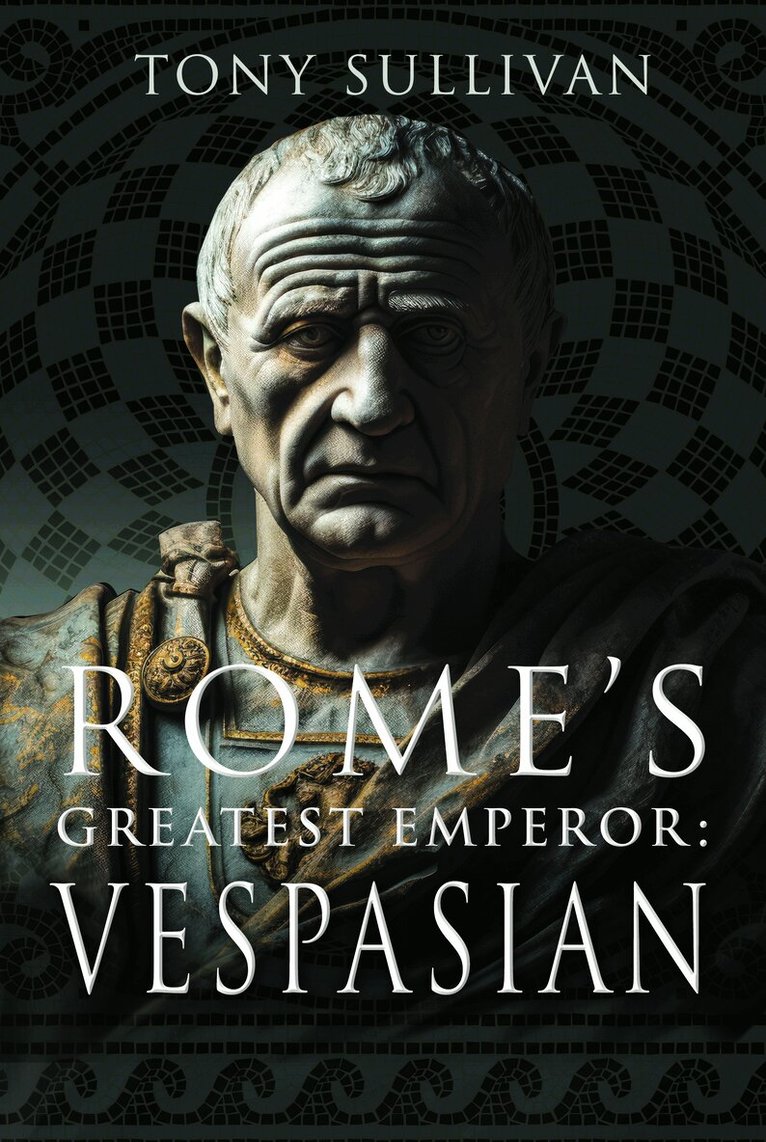
To anyone scanning the sea from the southern coast of Britain in the year 43 AD, the sight of hundreds of ships appearing one by one as dots on the horizon would have filled them with awe and dread. On a leading warship, a hundred and twenty oarsmen heaved at their work as one of the four legionary legates scanned the cliff tops expecting to see them lined with warriors as Julius Caesar had described nearly a hundred years before. Vespasian would lead the Second Augusta in the initial invasion and in a remarkable campaign across southern Britain, capturing a score of strongholds, oppida, such as the formidable Maiden Castle, along the way.His career later suffered from the intrigues of court politics during the reign of Nero, at one point making the near-fatal mistake of falling asleep during one of the emperor’s artistic performances. Vespasian’s fortunes were revived by the outbreak of revolt in Judea.Thus Vespasian found himself in the right place at the right time commanding a vast battle-hardened victorious army as the empire descended into civil war and chaos. The year 68-69 became known as ‘The Year of the Four Emperors’ as, after Nero’s suicide, Galba, Otho and Vitellius seized the throne in quick succession. When Vitellius emerged as the victor Vespasian took his chance.It would prove a pivotal moment in Rome’s history, stabilising the political and economic situation, and establishing the Flavian dynasty.
221 kr
Skickas
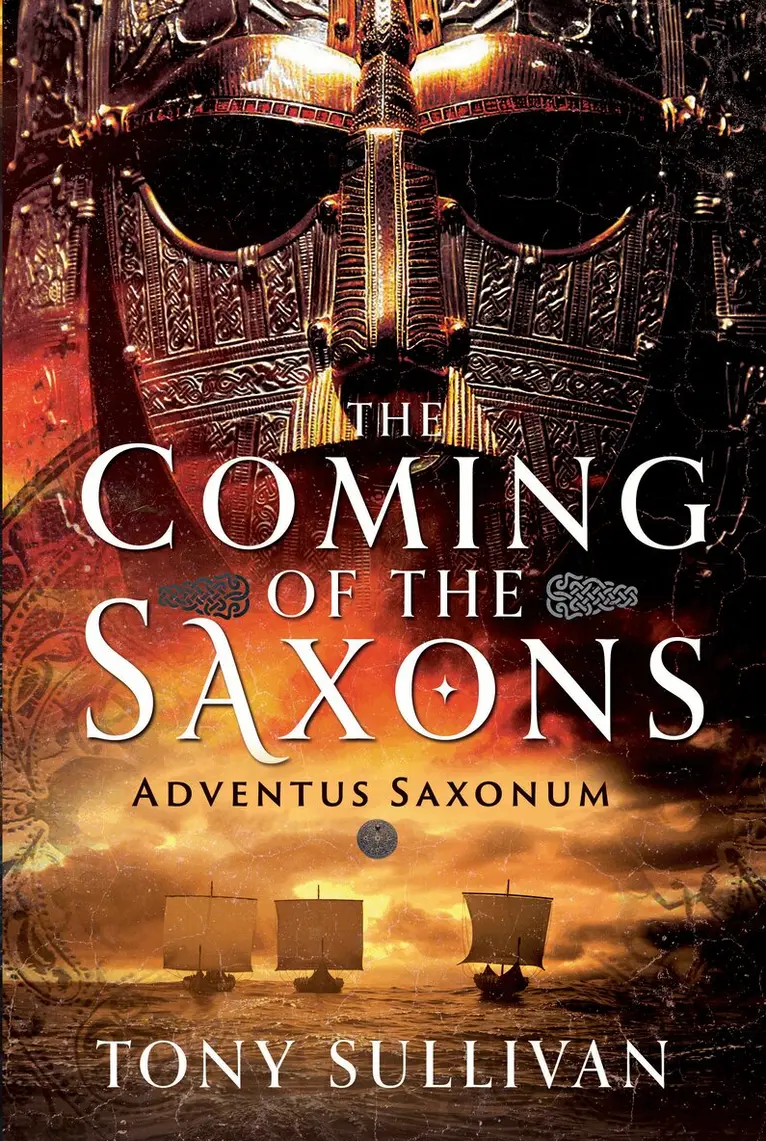
Around the mid-fifth century three Saxon keels cut through the waves towards the southern coast of Britain. They were not the first Germanic warriors or migrants to arrive since direct Roman authority had ended in the early fifth century and would not be the last. Yet the arrival of these particular warriors would prove to be a turning point in the history of these islands.The literary sources that survive point to the arrival of these mercenaries and their subsequent revolt as the pivotal event rather any invasion or mass migration. There have been many books on the Anglo-Saxons. Those that touch on the first arrivals deal only briefly with the fifth and sixth centuries due to the lack of historical records.This book is unique in focusing on the events mentioned by the sources such as Gildas and Bede. It will show that the former Roman Diocese limped on outside direct Roman rule for a generation, beset by constant raiding from Picts and Scots in the north and Saxons and other Germanic pirates in the south.It will look at Roman practices of hiring and settling mercenaries and Germanic groups across the empire. A comparison with these will provide important clues, as well as understanding how and why the diocese and provincial structure fell apart, allowing petty kingdoms to emerge in the sixth century.The subsequent centuries have been termed the Anglo-Saxon period. This book goes back to the very beginning, the adventus Saxonum: The Coming of the Saxons.
266 kr
Skickas
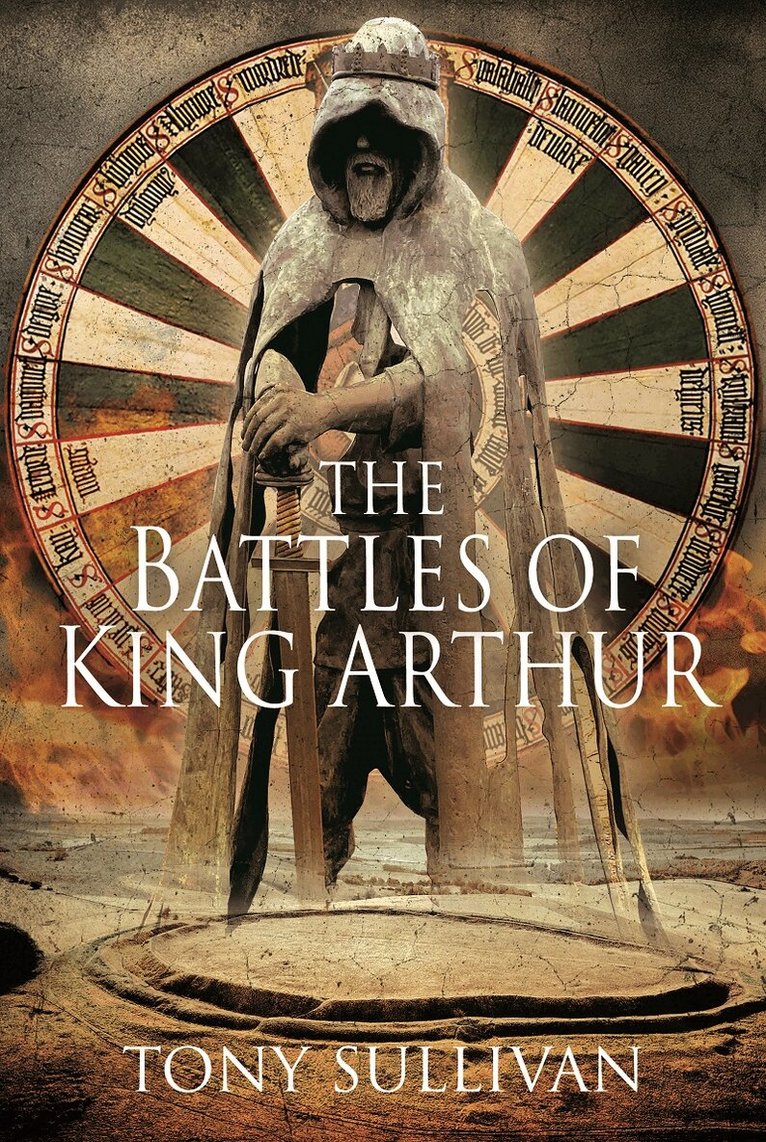
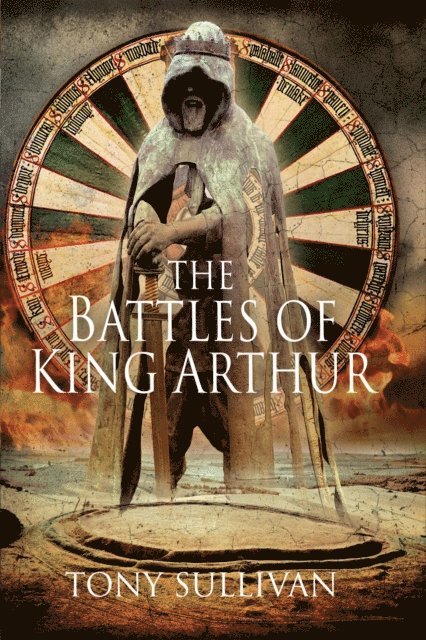
The ninth century Historia Brittonum is the first source that mentions Arthur and lists twelve battles, including the famous Badon Hill. Much ink has been spilt debating the identity and location of Arthur. This book will demonstrate that some of the battles can indeed be located with some confidence. Rather than fit a specific theory as to his identity the battles are placed in the fragmenting provincial, political and military context of the late fifth and early sixth century Britain. At a time of rapid changes in cultural identity and a significant increase in Germanic material culture and migration.These battles might be expected to be found along borders and in zones of potential conflict. Yet this is not what is discovered. In addition the simplistic idea of Romano-Britons holding back invading Anglo-Saxons is found wanting. Instead we discover a far more nuanced political and cultural situation. One with increasing evidence of continuation of land use and the indigenous population. The most Romanised and urbanised regions of the south and east are the very areas that experienced the arrival of Germanic settlement. The conclusion gives the reader a new insight into what sort of man Arthur was and the nature of the battles he fought.
214 kr
Skickas
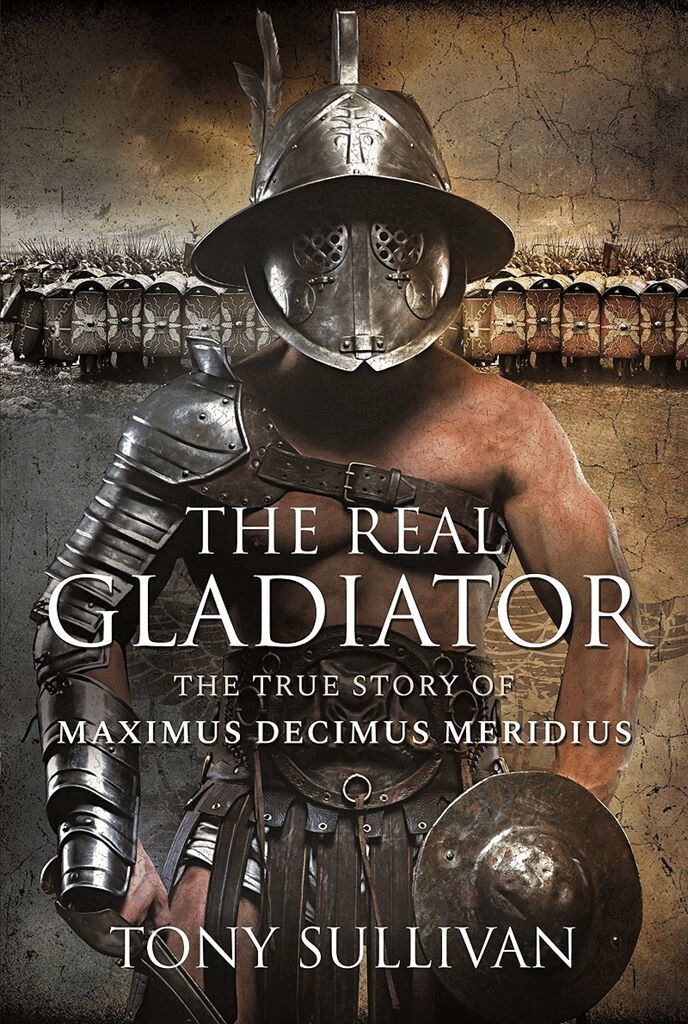
Are you not entertained? shouts Russell Crowe, playing the part of General Maximus Decimus Meridius in the Oscar winning 2000 film Gladiator. The crowd, having witnessed Maximus defeating several gladiators, cheer in response. Film goers too were indeed entertained with the film grossing nearly half a billion dollars. This book covers the historical events that film was based on. From the Germanic wars on the northern frontier to the gladiatorial arena in Rome. From the philosopher emperor, Marcus Aurelius to the palace intrigues during the reign of his son. We will discover how Commodus really died and which of the characters actually fought in the arena.Readers will meet two generals, Pompeianus and Maximianus, who most resemble our hero General Maximus. Also Lucilla, the sister of Commodus, who in reality married her General, but detested him. The book also focuses on warfare, weapons and contemporary battles. It will compare the battle and fight scenes in the film with reality from contemporary sources and modern tests and reenactments.The reader will discover that fact is not only stranger than fiction, it is often more entertaining. The real history was certainly as much, if not more, treacherous, bloodthirsty, murderous and dramatic than anything the film industry has created. Anyone who answered yes! to the question posed by Russell Crowe's character in the film, will indeed be entertained by this book.
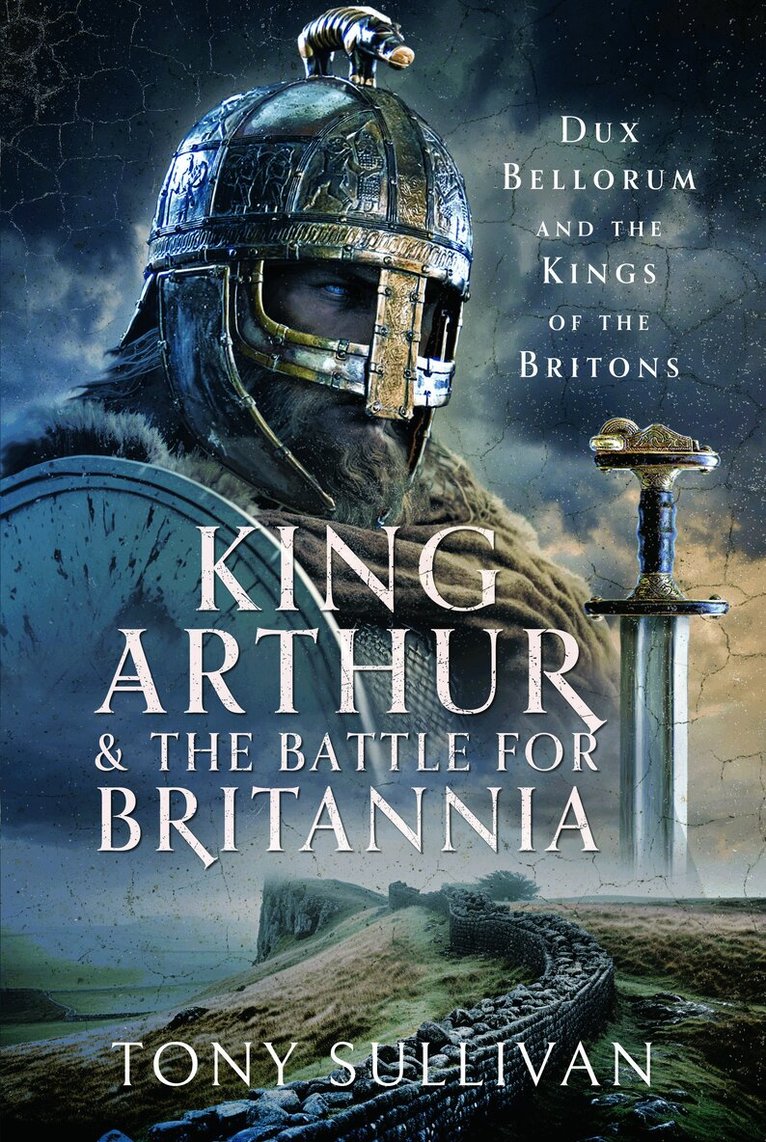
King Arthur and the Battle for Britannia
Dux Bellorum and the Kings of the Britons
Inbunden, Engelska, 2024
235 kr
Skickas
_King Arthur and the Battle for Britannia_ is the last in a series of three books. The first, _King Arthur: Man or Myth_, weighed the evidence for and against a historical figure. The second, _The Battles of King Arthur,_ looked in detail at the famous battle list from the Historia Brittonum. Having looked at the questions of whether and where, this final book takes on the different question of who was Arthur? The book is intended to save readers time and money wading through the scores of competing theories. It explains the problems with many of these theories to date, their failure to gain widespread support and why many historians remain sceptical about the existence of a historical Arthur.There is however a reasonable consistency in medieval genealogies and a good reason why Arthur does not appear in any of the list of kings of early kingdoms. Instead he is placed in the context of a fragmenting post-Roman provincial structure, alongside the emergence of petty kingdoms with new cultural identities. A heroic Brythonic culture in the west and north and a Germanic culture in the east and south.The book looks at the evolution of the legend comparing the chivalric French Romances with the Arthur of the darker Welsh tradition. A mythical figure may have emerged from the mead halls and war band culture of the sixth century. However the book describes how a historical figure may have been mythologised and who such a warrior may have been.
235 kr
Skickas
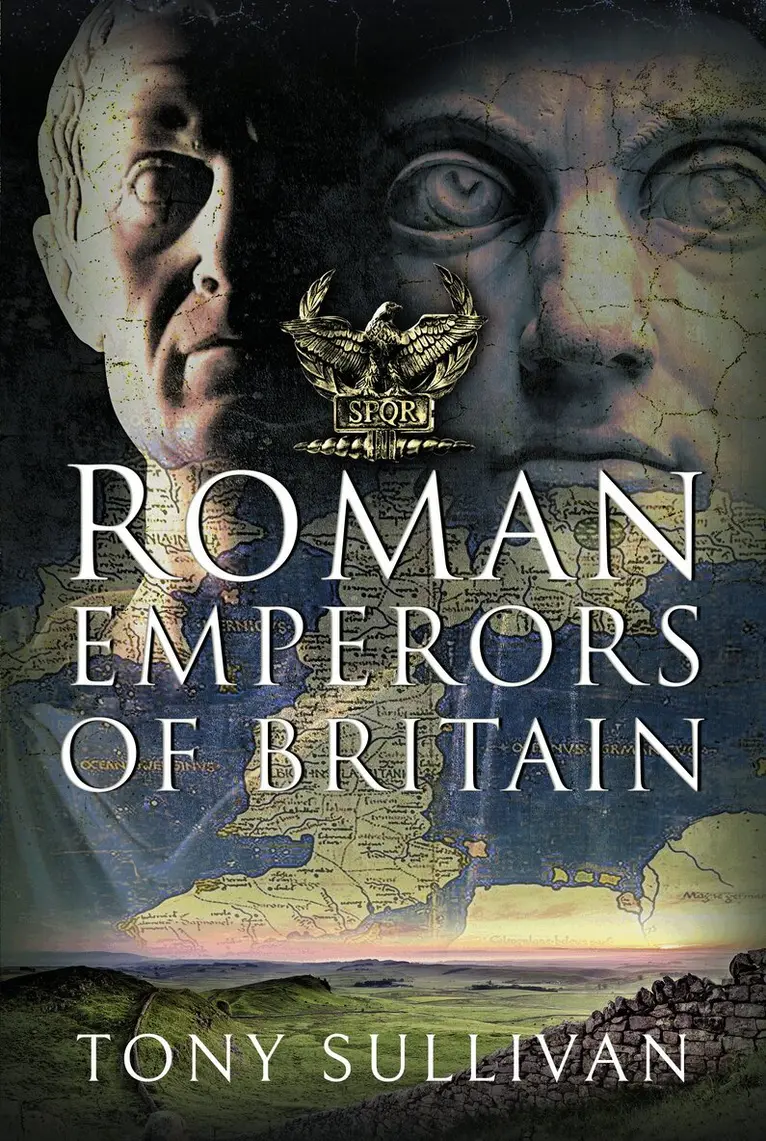
In 55 BC, on a stretch of beach near Deal in East Kent, the Romans’ first invasion was in great danger of being pushed back into the sea by a host of Britons defending the beach. The eagle bearer of the Tenth Legion jumped into the surf and urged his comrades to follow him, a pivotal moment in Julius Caesar’s first invasion. It was to be another ninety years before Claudius finally subdued part of the island and paraded in triumph into the stronghold at Camulodunum. Roman authority quickly expanded, from Vespasian’s dramatic campaign against the hillforts of southern Britain to Hadrian’s famous Wall in the north.This book will cover not the reign of Emperors but what posts they held in Britain prior to their achieving the throne. Titus served as a tribune directly after the Boudiccan revolt. Pertinax served in three posts: equestrian tribune of the Sixth Legion; praefectus of an auxiliary unit; and finally as a governor of Britannia. It will cover the civil war between Clodius Albinus and Septimius Severus and the later campaigns into Scotland. The upheavals of the third century and the breakaway regimes of Postumus and Carauius, ‘the pirate king’.In the fourth century Britain continued to produce usurpers and tyrants but only one managed to unite the empire, Constantine I. His namesake, Constantine III, was to be the last emperor to lead troops from Britain to Gaul, leaving the province to fend for itself into the fifth century.
228 kr
Skickas
In the early hours of 14th June 2017, a fire began in a kitchen on the fourth floor of a twenty-four-storey block of flats in West London. A fire that should have been contained within the original compartment ripped up the outside of the building within minutes. Procedures and systems that had worked for decades failed resulting in the loss of seventy-two lives.Yet this was not the first time a breakdown of compartmentation had caused a loss of life. Just eight years earlier, a fire at Lakanal House in South London had claimed the lives of six people. How then could this happen again? Nor was it just one failure as panels, inadequate fire-stopping, construction of the windows, failure of fire doors and the smoke ventilation system all contributed to the rapid fire spread.This book gives a firefighter’s perspective of the deregulation that caused the tragedy and describes what firefighters were confronted with that June night in 2017. It places that deregulation chronologically alongside a career that spanned three decades including nine years in the training department of the London Fire Brigade.It proposes the causes are far deeper and wider than many think. A systemic deterioration of standards in testing of materials, building control, maintenance, inspections, fire safety and enforcement.
207 kr
Skickas
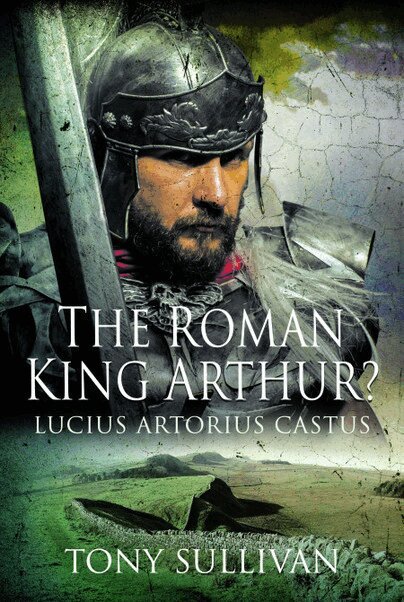
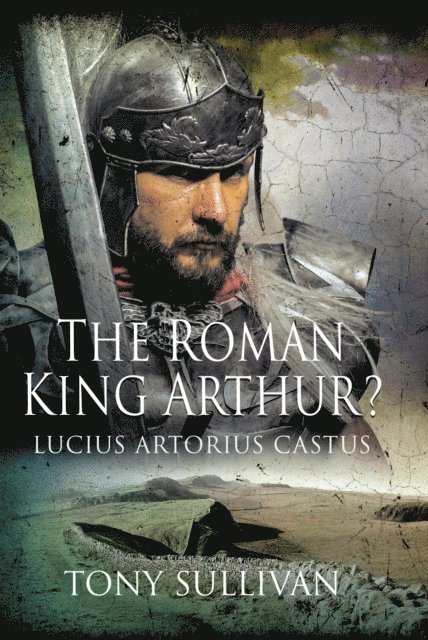
The 2004 film, King Arthur, starring Clive Owen and Keira Knightley, introduced the audience to Lucius Artorius Castus as the basis to the much later legend of King Arthur. The book analyses the theories behind the film which link this second to third century Roman officer with the medieval Arthurian legends and a possible historical figure in post-Roman Britain.This first full academic study of Artorius Castus offers a number of potential timeframes and details his career through a turbulent and bloody period of Roman history, serving as primus pilus of V Macedonia and praefectus of the Sixth Legion in northern Britain.Turning to the historical narrative of the film it covers the archaeological and literary evidence for the break down of Roman Britain, arrival of Germanic peoples and emergence of petty kingdoms and new cultural identities. The penultimate chapter lays out the evidence for and against a historical Arthur, offering suggestions as to his identity, location of his battles and the possible political, military, social and cultural situation he lived and fought in.This is an entertaining and informative picture of two fascinating figures, one firmly historical, the other shrouded in myth and legend. The book leaves the reader with a clear picture of the lives of a Roman career officer and later dark-age warrior and the different worlds in which they lived.Anyone interested in the Roman period, post-Roman Britain and the possibilities for a historical Arthur should enjoy this book.
266 kr
Skickas
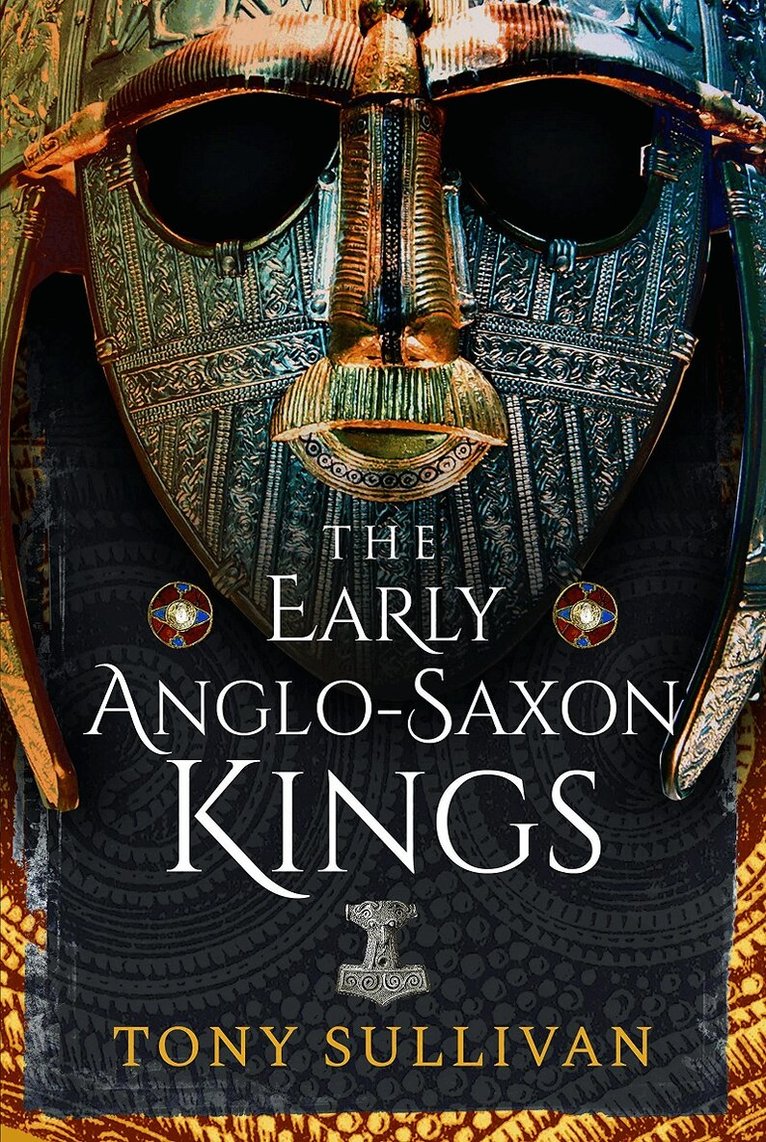
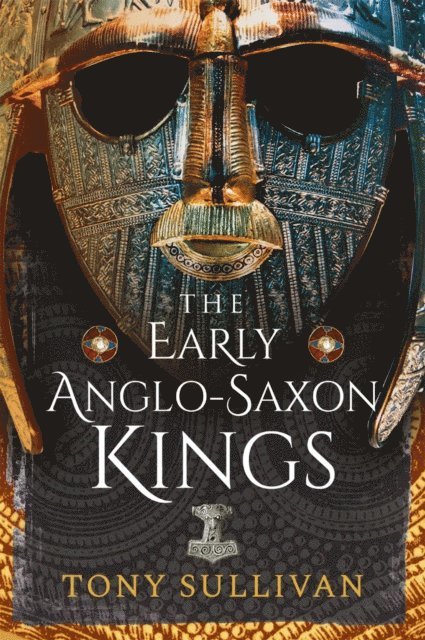
The Early Anglo-Saxon Kings takes a new look at the adventus Saxonum, the arrival of the Saxons, recorded in the earliest literary sources. As the Roman provincial structure fragmented, new cultural identities emerged. In fifth century Britain whatever sense of pax Romana remained gave way to a war-band culture which dominated both Brythonic and Germanic peoples. Villas left abandoned were replaced by the mead-hall. These halls now rang with the songs and poems of bards and scops. Tales of famous battles such as mons Badonicus and Cattraeth filled the air.Out of the ashes of the former Roman diocese new kingdoms emerged. One major factor was the settlement of significant numbers of Germanic peoples in Britain in the fifth and sixth centuries. The first kings of these peoples are shrouded in legends and myth, such as the leaders of the first group of mercenaries, Hengest and Horsa, as well as AElle of the South Saxons, Cerdic and Cynric and later Ceawlin of Wessex. The book takes the reader from the early-fifth century through to the mid-seventh century and the death of the last great pagan Anglo-Saxon king, Penda of Mercia.An entertaining journey across the landscape of Britain in search of battle-sites and burial-mounds, this book brings to life the world that produced Y Gododdin and Beowulf; a world that saw warlords and kings carve out new kingdoms from the carcass of post-Roman Britain.
183 kr
Skickas
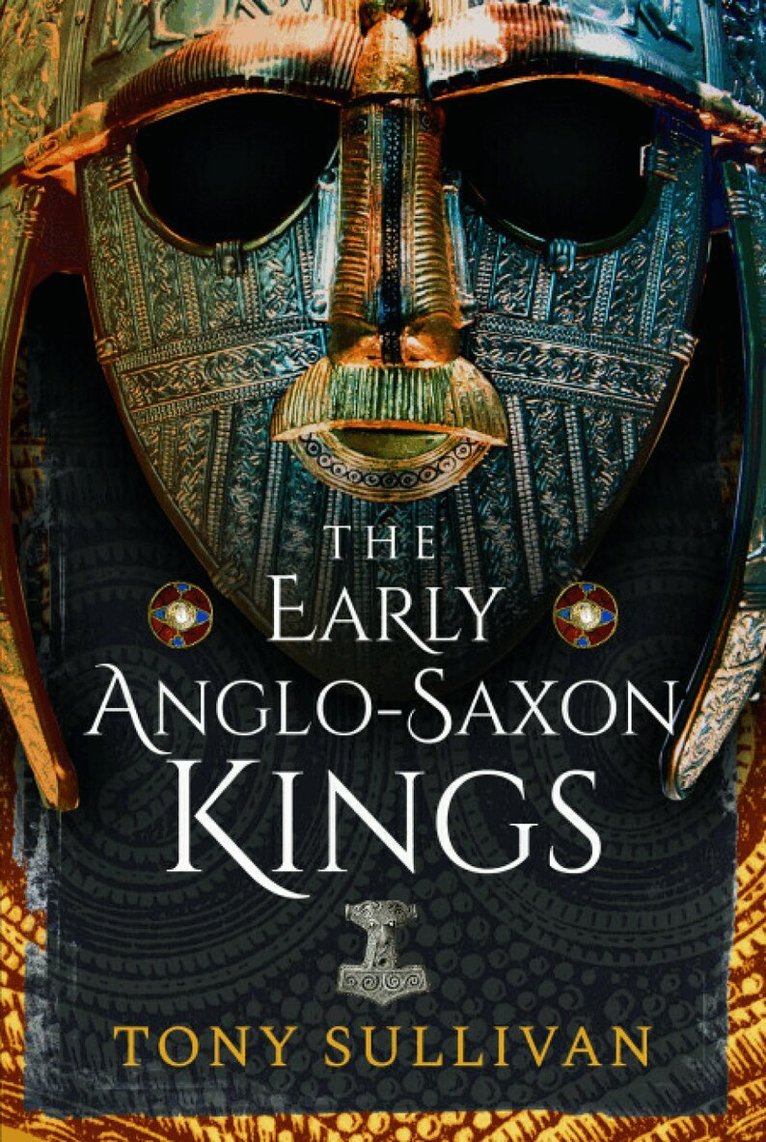
The Early Anglo-Saxon Kings takes a new look at the adventus Saxonum, the arrival of the Saxons, recorded in the earliest literary sources. As the Roman provincial structure fragmented, new cultural identities emerged. In fifth century Britain whatever sense of pax Romana remained gave way to a war-band culture which dominated both Brythonic and Germanic peoples. Villas left abandoned were replaced by the mead-hall. These halls now rang with the songs and poems of bards and scops. Tales of famous battles such as mons Badonicus and Cattraeth filled the air.Out of the ashes of the former Roman diocese new kingdoms emerged. One major factor was the settlement of significant numbers of Germanic peoples in Britain in the fifth and sixth centuries. The first kings of these peoples are shrouded in legends and myth, such as the leaders of the first group of mercenaries, Hengest and Horsa, as well as Ælle of the South Saxons, Cerdic and Cynric and later Ceawlin of Wessex. The book takes the reader from the early-fifth century through to the mid-seventh century and the death of the last great pagan Anglo-Saxon king, Penda of Mercia.An entertaining journey across the landscape of Britain in search of battle-sites and burial-mounds, this book brings to life the world that produced Y Gododdin and Beowulf; a world that saw warlords and kings carve out new kingdoms from the carcass of post-Roman Britain.
235 kr
Skickas
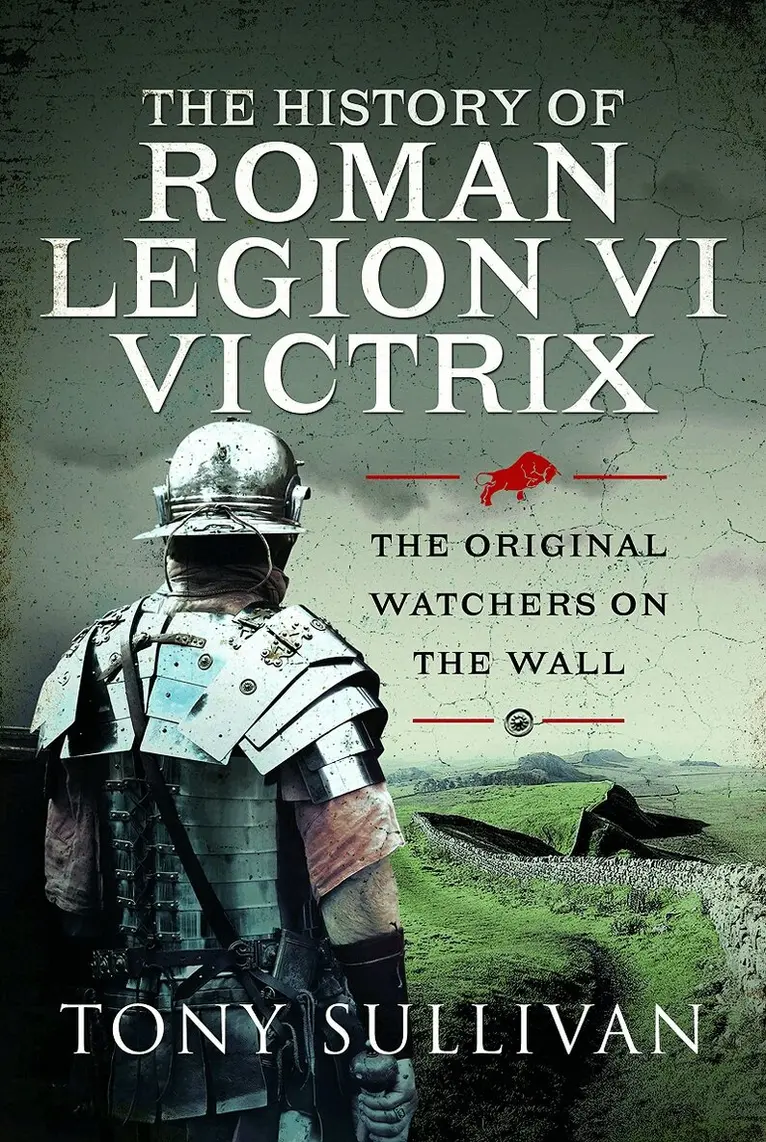
This is the first in depth study on the history of Legio VI Victrix in Britain. Brought over from Germany in 122 to assist in the building of Hadrian's Wall the Sixth Legion remained in Britain until the end of Roman rule. The book will investigate the changing military organisation, weapons and warfare as well as the many auxiliary units posted in the north of Britain.We will meet members of the Sixth Legion known from inscriptions and literary sources. From lowly legionaries helping to build Hadrian's or the Antonine Wall to Pertinax, tribune of the Sixth, and destined to become Emperor. Case studies will include a praefectus castrorum, Lucius Artorius Castus, along with the legionary bases at York and Corbridge.The men of the Sixth witnessed the tumultuous, and often bloody, history of Roman Britain: the border shifting back and forth under Antoninus; barbarian incursions and army mutinies under the murderous Commodus; the bloody civil war against Septimius Severus and the subsequent invasion of Caledonia. In the last century of Roman rule, the Sixth supported several rival emperors from Constantine the Great, Magnus Maximus until finally Constantine III.The journey will end with a discussion of the likely fate of the Sixth in the early fifth century after the end of Roman authority. A must read for anyone interested in the evolution of the Roman legion, the empire or Roman Britain in particular.
214 kr
Skickas
The book is an investigation of the evidence for King Arthur based on the earliest written sources rather than later myths and legends.The evidence is laid out in a chronological order starting from Roman Britain and shows how the legend evolved and at what point concepts such as Camelot, excalibur and Merlin were added.It covers the historical records from the end of Roman Britain using contemporary sources such as they are, from 400-800, including Gallic Chronicles, Gildas and Bede.It details the first written reference to Arthur in the Historia Brittonum c800 and the later Annales Cambriae in the tenth century showing the evolution of the legend in in later Welsh and French stories.The work differs from other books on the subject in not starting from or aiming at a specific person. It compares the possibility of Arthur being purely fictional with an historical figure alongside a list of possible suspects.The evidence is presented and the reader is invited to make up their own mind before a discussion of the Author's own assessment.