Trevor May – författare
Visar alla böcker från författaren Trevor May. Handla med fri frakt och snabb leverans.
15 produkter
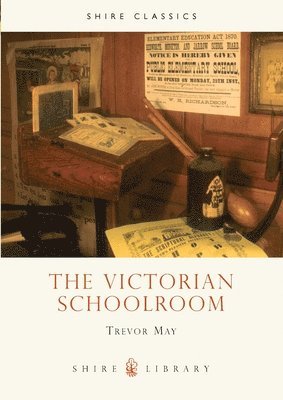
Victorian Schoolroom
Av Trevor May
Häftad, 1994
90 kr
Lägg i varukorg
There was a tremendous expansion of education in England and Wales during the nineteenth century. A combination of voluntary effort and government action led to the introduction of a system of elementary education for the working class. This book describes the development of Victorian schools and …
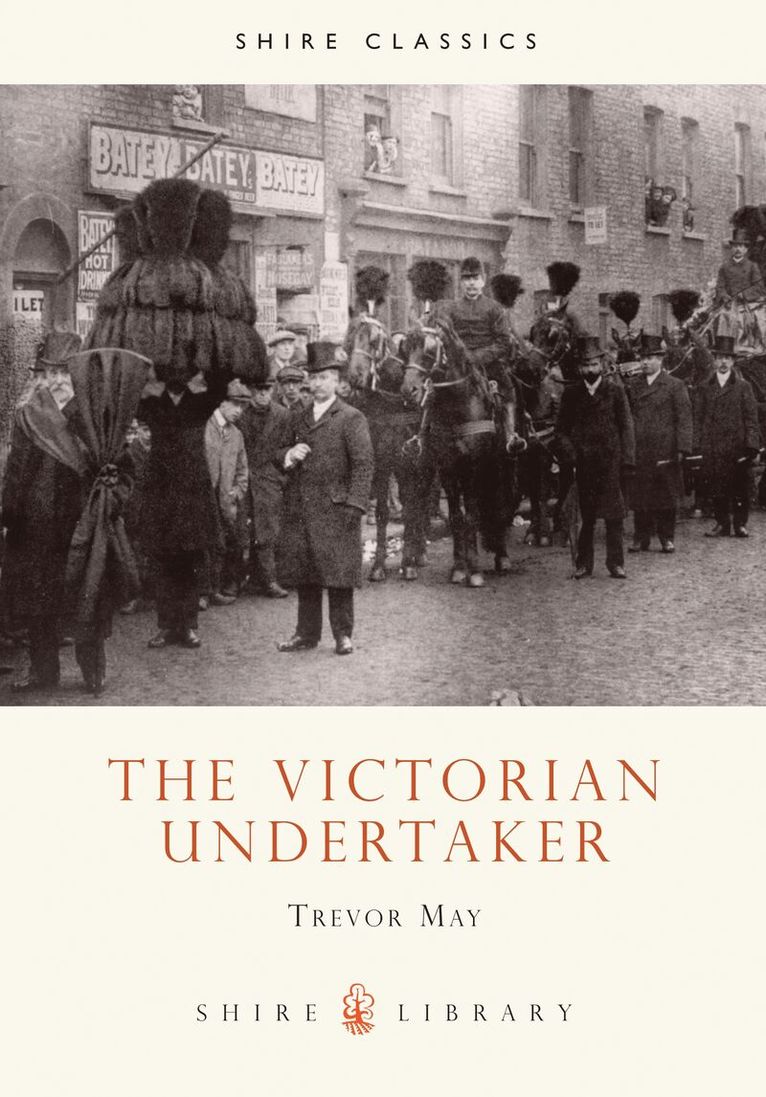
Victorian Undertaker
Av Trevor May
Häftad, 2007
90 kr
Lägg i varukorg
The Victorians were, were relatively at ease with death and there is much in this book to interest social historians, those interested in historical costume and transport enthusiasts, as there is a section on the development of the horse-drawn hearse.
Victorian Workhouse
Av Trevor May
Häftad, 2005
90 kr
Lägg i varukorg
Whether it was 'the batille', 'the spike', 'the work'us' or simply 'the house', the Victorian workhouse was the cause of dread and shame for thousands of men, women and children. The workhouse was the last resort, and the authorities intended that it should be seen as such. This book looks at the …
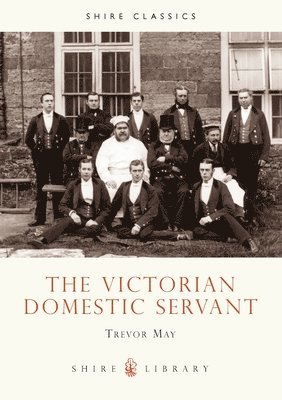
Victorian Domestic Servant
Av Trevor May
Häftad, 2007
90 kr
Lägg i varukorg
In 1851 there were over one million servants in Britain, making domestic service the second largest occupational group after agriculture. The range of people who kept servants was vast, from aristocrats to the lower middle class families who employed a single 'maid of all work'. This book covers …
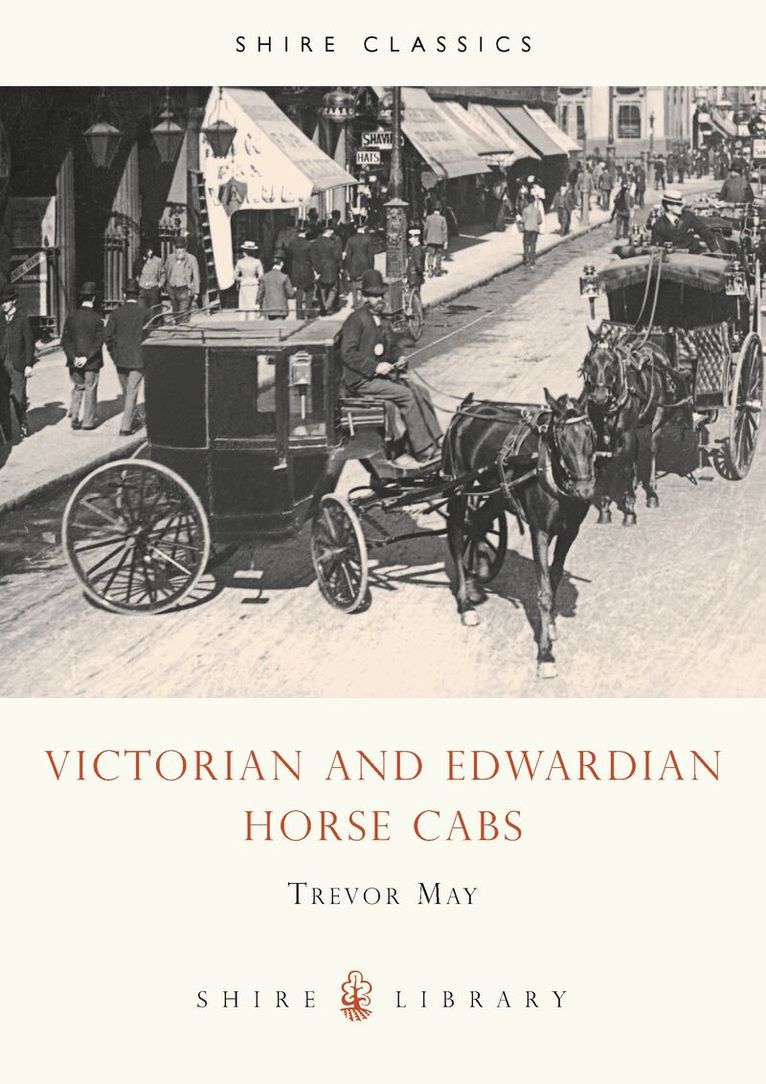
Victorian and Edwardian Horse Cabs
Av Trevor May
Häftad, 2009
88 kr
Lägg i varukorg
The Hansom cab is one of the most striking images of the Victorian city, but it was not the only type of cab in use during the Victorian and Edwardian periods. Much of the work was done by the 'growler', a four-wheeled cab that rattled through the streets, laden with luggage and with families eager …
Victorian Railway Worker
Av Trevor May
Häftad, 2003
93 kr
Lägg i varukorg
Thousands of Victorians were employed by railway companies, from the locomotive driver on the footplate to the booking clerk in the station. The companies provided work for navvies, signalmen, telegraph operators, station masters, hotel workers, and many other people, including those who worked the …
Military Barracks
Av Trevor May
Häftad, 2002
88 kr
Lägg i varukorg
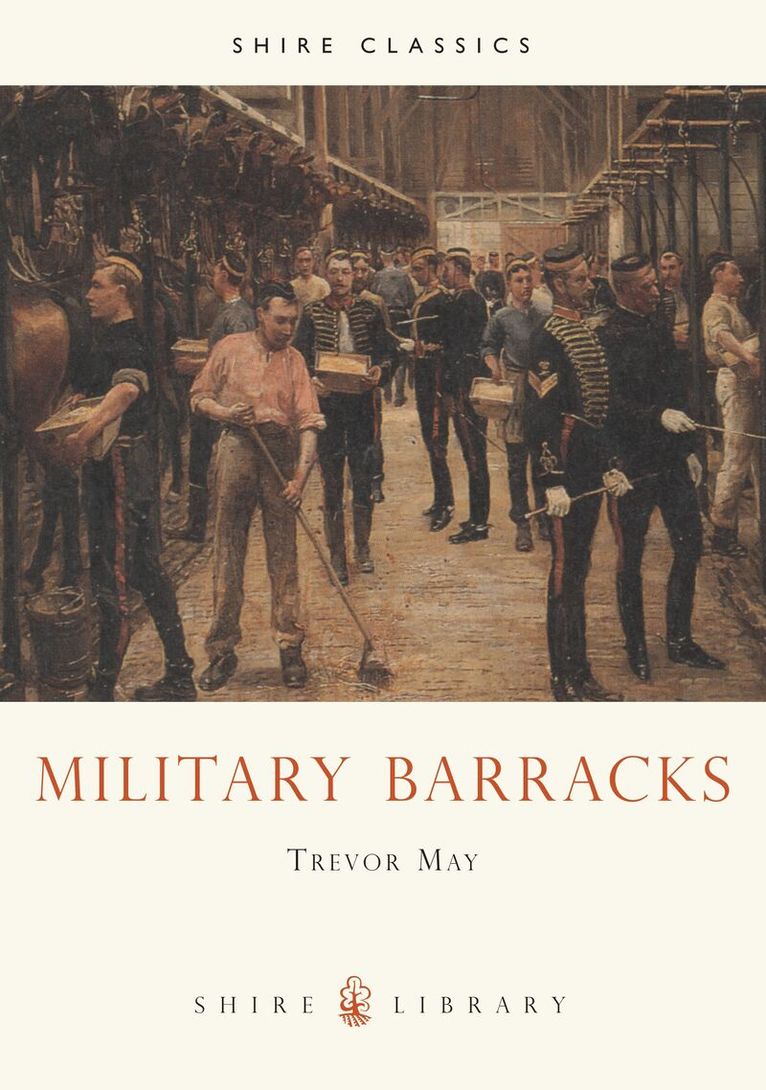
Military barracks played an important part in the social as well as the military history of Britain. They have served many purposes, being homes, training establishments and recruitment depots, and were meant to impress (and, at times, overawe) the local population as well as foreign enemies. Some …
Victorian and Edwardian Prisons
Av Trevor May
Häftad, 2006
88 kr
Lägg i varukorg
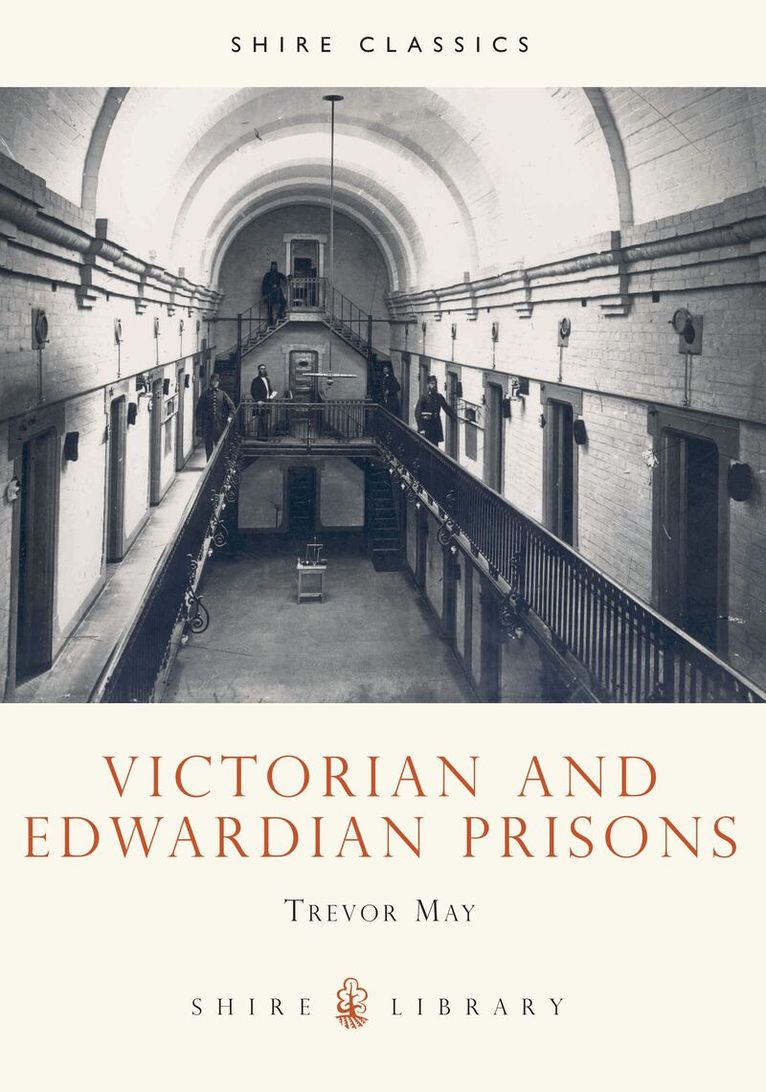
Although they have existed in Britain for over a thousand years, it was not until the nineteenth century that prisons became the cornerstone of the penal system. This book looks at the development of prison buildings, life and labour of prisoners, and the position of prison officers.
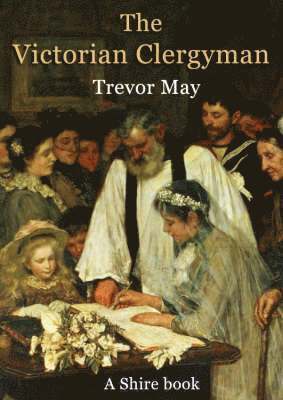
Victorian Clergyman
Av Trevor May
Häftad, 2006
88 kr
Lägg i varukorg
The Victorian clergyman is a familiar character in the fiction of the period, especially in the novels of Anthony Trollope and George Eliot. Through text and pictures, this book sets out to tell their story and to set them firmly in the context of the nineteenth-century Church of England, revealing …
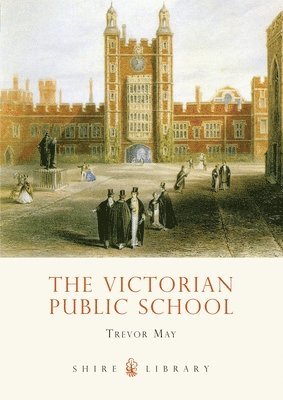
Victorian Public School
Av Trevor May
Häftad, 2009
114 kr
Lägg i varukorg
Public schools were in the business of producing leaders - in national government, in the Empire, and in the armed forces. Their impact on society was immense, and they provided the vehicle by which the sons of the middle classes could be assimilated into the gentry. Historian Trevor May examines …
Great Exhibitions
From the Crystal Palace to The Dome
Av Trevor May
Häftad, 2010
114 kr
Lägg i varukorg
In 1851 an event was organised in London that changed the world: The Great Exhibition. It was a spectacular showcase of technology manufacture and design from all over the world. In just a few months over six million people attended the exhibition in Joseph Paxton's famous Crystal Palace in Hyde …
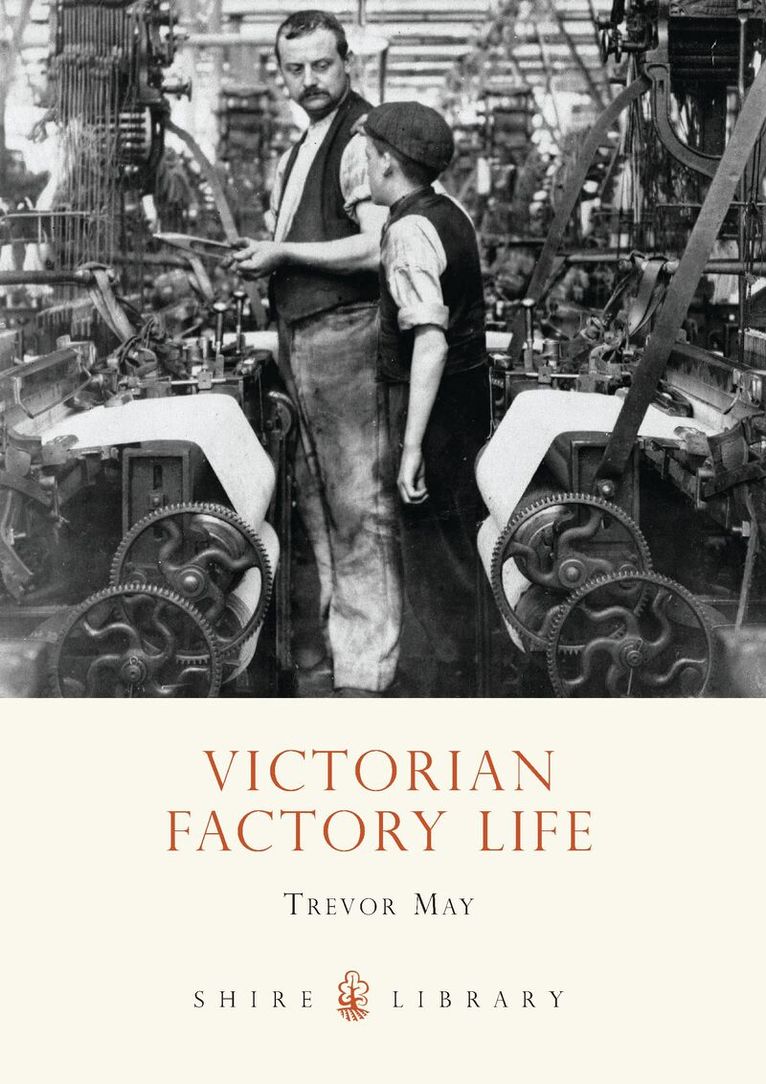
Victorian Factory Life
Av Trevor May
Häftad, 2011
102 kr
Lägg i varukorg
Victorian Factory Life explores the lives of the men, women and children who toiled in the factories of Victorian Britain, manufacturing everything from hats, cloth and dinner-plates to beer and locomotives. It was a grim and often perilous existence of long hours, of meager pay and of exhausting …
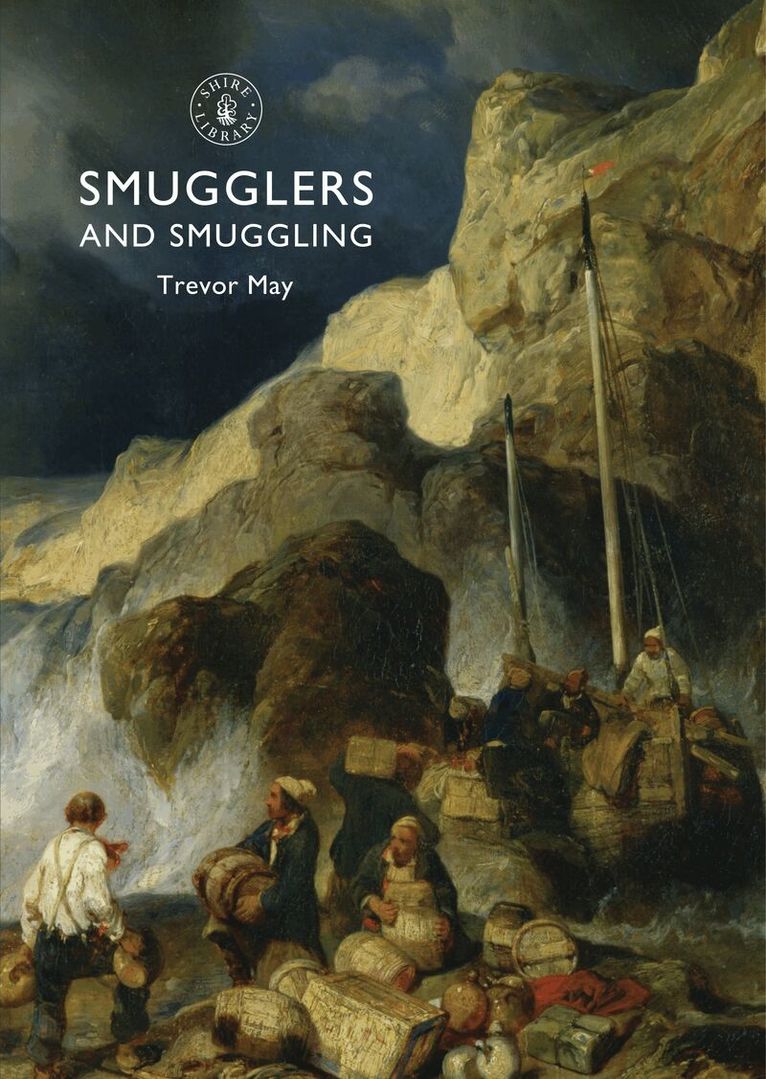
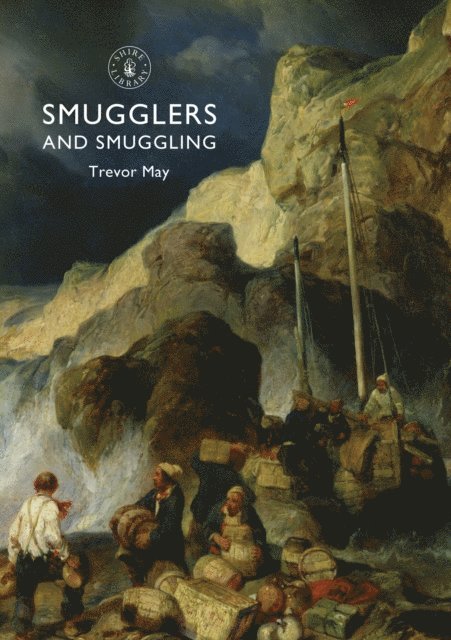
Smugglers and Smuggling
Av Trevor May
Häftad, 2014
114 kr
Lägg i varukorg
Smuggling was rife in Britain between the seventeenth and mid-nineteenth centuries, and since then smugglers have come often to be romanticised as cheeky rogues – as highwaymen of the coasts and Robin Hood figures. The reality could be very different. Cut-throat businessmen determined to make a …
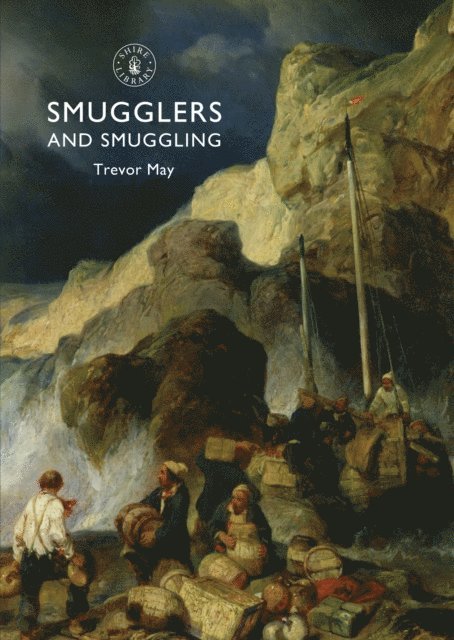
Smugglers and Smuggling
Av Trevor May
E-bok, 2014
111 kr
Lägg i varukorg
Smuggling was rife in Britain between the seventeenth and mid-nineteenth centuries, and since then smugglers have come often to be romanticised as cheeky rogues – as highwaymen of the coasts and Robin Hood figures. The reality could be very different. Cut-throat businessmen determined to make a …
Smugglers and Smuggling
Av Trevor May
E-bok, 2014
114 kr
Lägg i varukorg
Smuggling was rife in Britain between the seventeenth and mid-nineteenth centuries, and since then smugglers have come often to be romanticised as cheeky rogues – as highwaymen of the coasts and Robin Hood figures. The reality could be very different. Cut-throat businessmen determined to make a …