Tuomas Rasimus – författare
Visar alla böcker från författaren Tuomas Rasimus. Handla med fri frakt och snabb leverans.
4 produkter
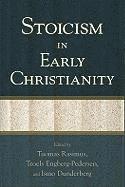
Stoicism In Early Christianity
Av Rasimus, Tuomas Rasimus m. fl.
Häftad, 2010
529 kr
Lägg i varukorg
Highlighting the place of Stoic teaching in early Christian thought, an international roster of scholars challenges the prevailing view that Platonism was the most important philosophical influence on early Christianity. They suggest that early Christians were more often influenced by Stoicism than …
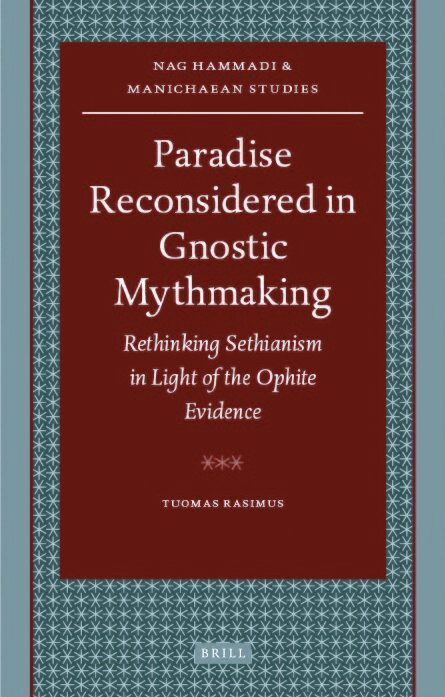
Paradise Reconsidered in Gnostic Mythmaking
Rethinking Sethianism in Light of the Ophite Evidence
Inbunden, 2009
2909 kr
Lägg i varukorg
This book offers a new understanding of Sethianism and the origins of Gnosticism by examining the mythology in and social reality behind a group of texts to which certain leaders of the early church occasionally attached the label ‘Ophite.’ In the unique Ophite mythology, which rewrites the Genesis …
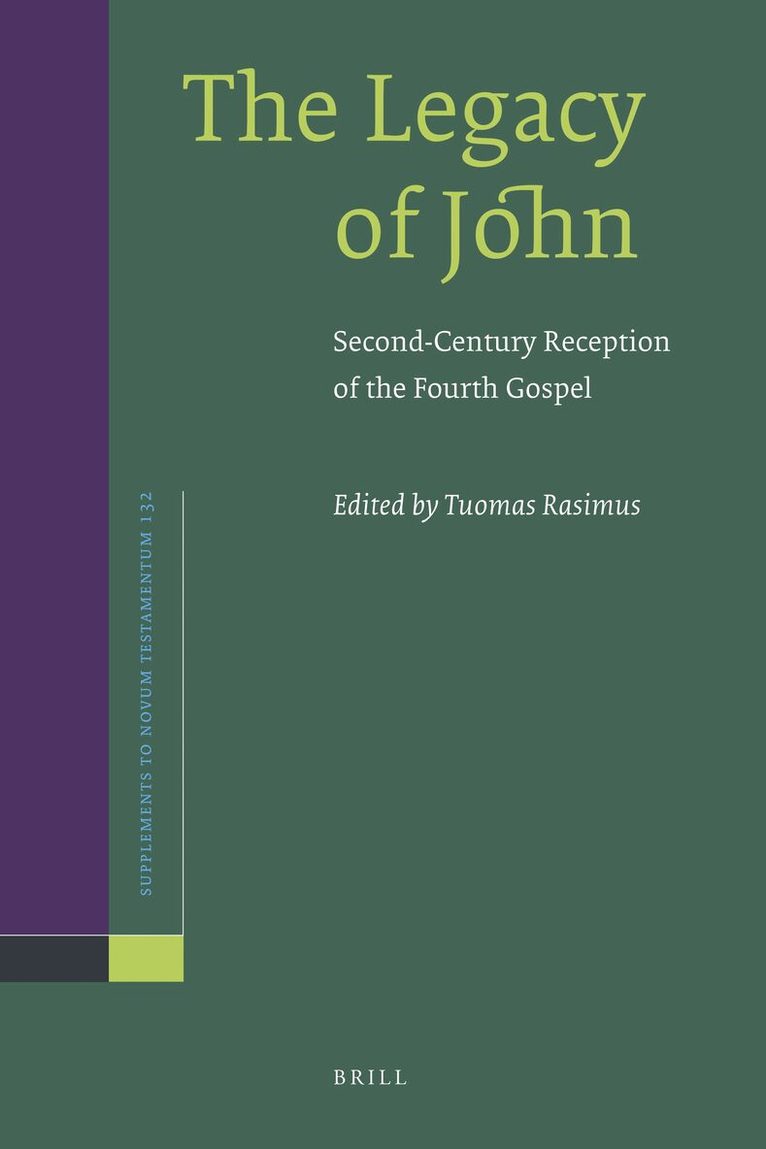
Legacy of John
Second-Century Reception of the Fourth Gospel
Inbunden, 2009
2948 kr
Lägg i varukorg
This volume investigates the early, second-century reception of the Fourth Gospel. This is an era when its fortunes are surrounded by silence and mystery. It was assumed, until quite recently, that Gnostic and other so-called heterodox groups were the first ones to appreciate this gospel, and hence …
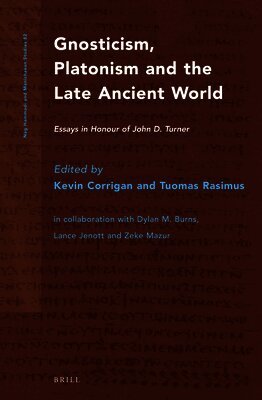
Gnosticism, Platonism and the Late Ancient World
Essays in Honour of John D. Turner
Av Kevin Corrigan, Tuomas Rasimus
Inbunden, 2013
4313 kr
Lägg i varukorg
This Festschrift honors the life and work of John D. Turner (Charles J. Mach University Professor of Classics and History at the University of Nebraska at Lincoln) on the occasion of his 75th birthday. Professor Turner’s work has been of profound importance for the study of the interaction between …