Turner Cassity – författare
Visar alla böcker från författaren Turner Cassity. Handla med fri frakt och snabb leverans.
9 produkter
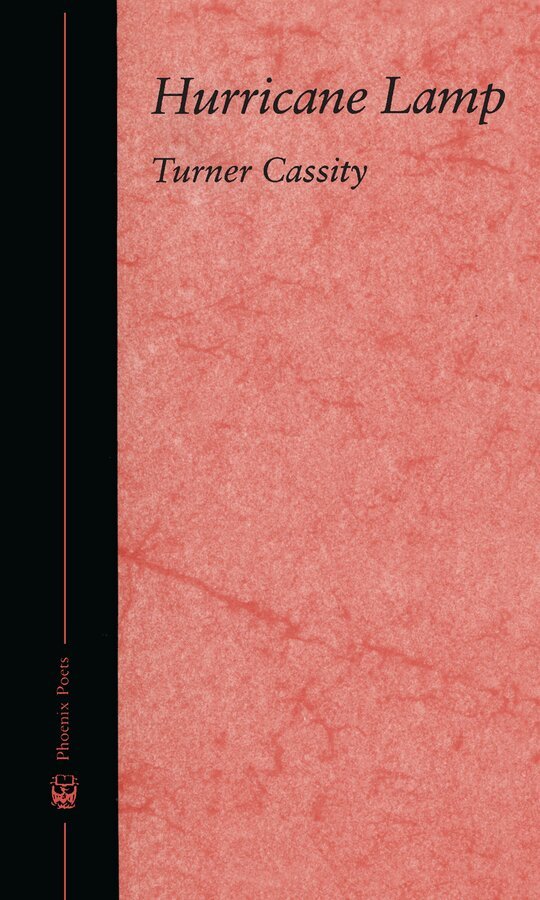
Hurricane Lamp
Häftad, 1986
265 kr
Lägg i varukorg
"With my eyes closed, I might have guessed a collaboration between William Empson and Noel Coward. But of course no one could have made up Turner Cassity but himself. The man is a wizard. In these new poems, each as clear and mysterious as crystal, he has conjured all sorts of miniature wonders and …
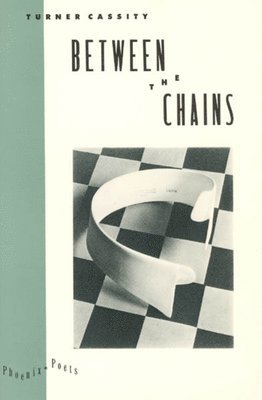
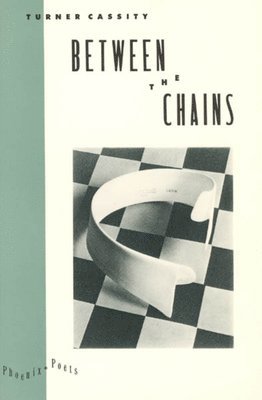
Between the Chains
Inbunden, 1991
1414 kr
Lägg i varukorg
"With my eyes closed, I might have guessed a collaboration between William Empson and Noel Coward," J. D. McClatchy has said of Turner Cassity's poems. Cassity's new collection turns an icy needle-spray on topics as diverse as a Polynesian firedance, Johannes Brahms, and the Banque de l'Indo-Chine. …
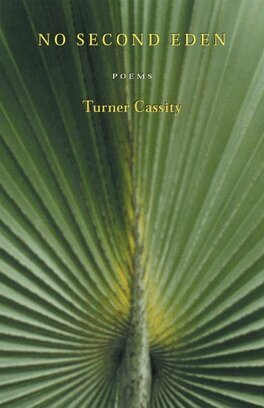
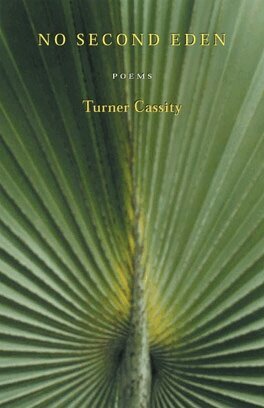
No Second Eden
Poems
Häftad, 2002
251 kr
Lägg i varukorg
If you think that Turner Cassity has mellowed or slowed down since the 1998 release of his selected poems, The Destructive Element, think again. In No Second Eden Cassity is back more Swiftian than ever. Among the targets reduced to ruin are countertenors, parole boards, the French Symbolists, …
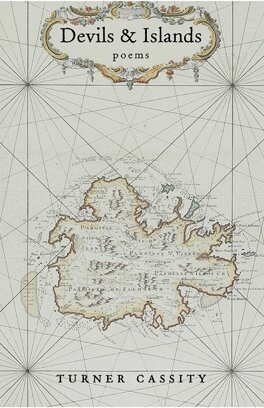
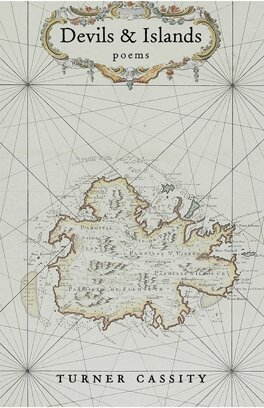
Devils & Islands
Poems
Häftad, 2007
251 kr
Lägg i varukorg
As he approaches eighty, Turner Cassity may finally be out of control. His hatchet has never fallen more lethally, meaning if you have the stomach for him he is more enjoyable than ever. Under the blade come Martha Graham, Johann Sebastian Bach, musicologists, tree huggers, Frank Gehry, folk music, …
No Second Eden
Poems
E-bok, 2002
398 kr
Lägg i varukorg
If you think that Turner Cassity has mellowed or slowed down since the 1998 release of his selected poems, The Destructive Element, think again. In No Second Eden Cassity is back more Swiftian than ever. Among the targets reduced to ruin are countertenors, parole boards, the French Symbolists, …
Devils & Islands
Poems
E-bok, 2007
398 kr
Lägg i varukorg
As he approaches eighty, Turner Cassity may finally be out of control. His hatchet has never fallen more lethally, meaning if you have the stomach for him he is more enjoyable than ever. Under the blade come Martha Graham, Johann Sebastian Bach, musicologists, tree huggers, Frank Gehry, folk music, …
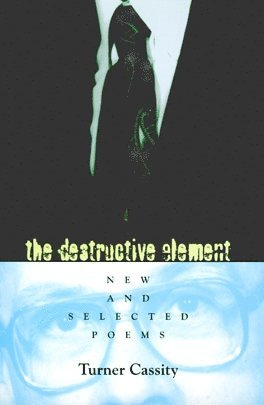
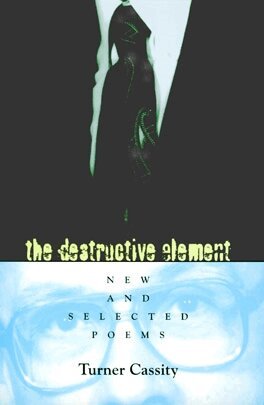
Destructive Element
New and Selected Poems
Inbunden, 1998
524 kr
Lägg i varukorg
Turner Cassity is like a highly accomplished traditional composer—Camille Saint-Saëns, say, or Richard Strauss—who does not doubt that the music is the score and the score is the music. That is, poetry is verse and verse is poetry.Given that confidence, he is prepared to take on any subject. In the …
Between the Chains
Häftad, 1991
265 kr
Tillfälligt slut
"With my eyes closed, I might have guessed a collaboration between William Empson and Noel Coward," J. D. McClatchy has said of Turner Cassity's poems. Cassity's new collection turns an icy needle-spray on topics as diverse as a Polynesian firedance, Johannes Brahms, and the Banque de l'Indo-Chine. …
Destructive Element
New and Selected Poems
Häftad, 1998
315 kr
Tillfälligt slut
Turner Cassity is like a highly accomplished traditional composer—Camille Saint-Saëns, say, or Richard Strauss—who does not doubt that the music is the score and the score is the music. That is, poetry is verse and verse is poetry.Given that confidence, he is prepared to take on any subject. In the …