Tuuli Matila – författare
Visar alla böcker från författaren Tuuli Matila. Handla med fri frakt och snabb leverans.
5 produkter
5 produkter
Inbunden, Engelska, 2024
1 368 kr
Skickas inom 10-15 vardagar
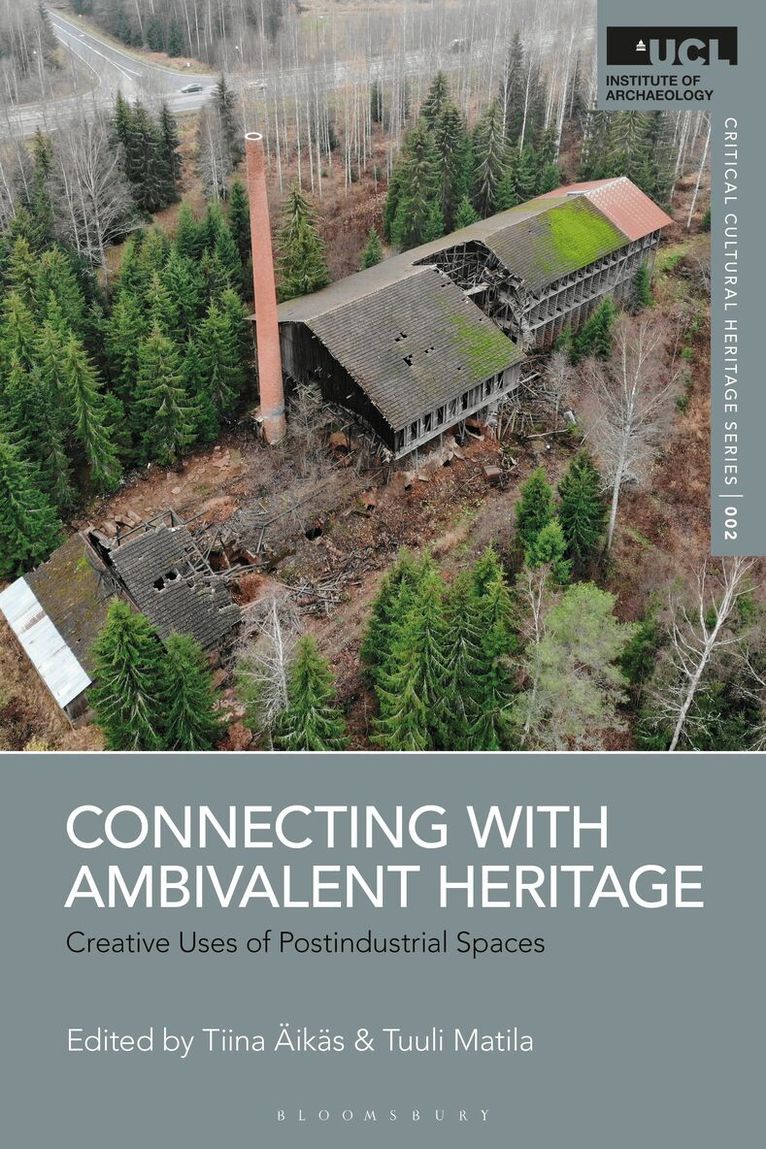
Exploring the difficult and contested sites of deindustrialized society on the brink of transformation to either heritage or wasteland, this open access volume looks at the creative ways that such sites are (re)used and suggests that they are not always merely abject or abandoned. As a result, our understanding of the meanings given to left over spaces is enhanced by an examination of the ways they are used.Ambivalent heritage sites are not always recognized for their potential, although artists and people from different recreational activities, such as industrial sites and parkour, use and experience these places in different ways. The contributors introduce fresh ideas on how to approach these sites and the people invested in them, employing multidisciplinary methodologies from archaeology and heritage studies to ethnography and sociology. Through the use of Northern-European case studies such as a former sanatorium, a prison and the Chornobyl Exclusion Zone, the reader gains a new perspective on these sites of contestation, which are cherished despite their problematic status. The conclusion is that due to the rapid societal change we are experiencing in the contemporary world, heritage professionals must start to acknowledge and deal with the difficulties that ambivalent heritage sites pose.The ebook editions of this book are available open access under a CC BY-NC-ND 4.0 licence on bloomsburycollections.com. Open access was funded by University of Oulu.
Häftad, Engelska, 2026
423 kr
Skickas inom 10-15 vardagar
Exploring the difficult and contested sites of deindustrialized society on the brink of transformation to either heritage or wasteland, this open access volume looks at the creative ways that such sites are (re)used and suggests that they are not always merely abject or abandoned. As a result, our understanding of the meanings given to left over spaces is enhanced by an examination of the ways they are used.Ambivalent heritage sites are not always recognized for their potential, although artists and people from different recreational activities, such as industrial sites and parkour, use and experience these places in different ways. The contributors introduce fresh ideas on how to approach these sites and the people invested in them, employing multidisciplinary methodologies from archaeology and heritage studies to ethnography and sociology. Through the use of Northern-European case studies such as a former sanatorium, a prison and the Chornobyl Exclusion Zone, the reader gains a new perspective on these sites of contestation, which are cherished despite their problematic status. The conclusion is that due to the rapid societal change we are experiencing in the contemporary world, heritage professionals must start to acknowledge and deal with the difficulties that ambivalent heritage sites pose.The ebook editions of this book are available open access under a CC BY-NC-ND 4.0 licence on bloomsburycollections.com. Open access was funded by University of Oulu.
Del 3254 - International
Contemporary Archaeology of Inequality
Material culture and social change
Häftad, Engelska, 2026
550 kr
Skickas inom 5-8 vardagar
Häftad, Engelska, 2025
506 kr
Skickas inom 10-15 vardagar
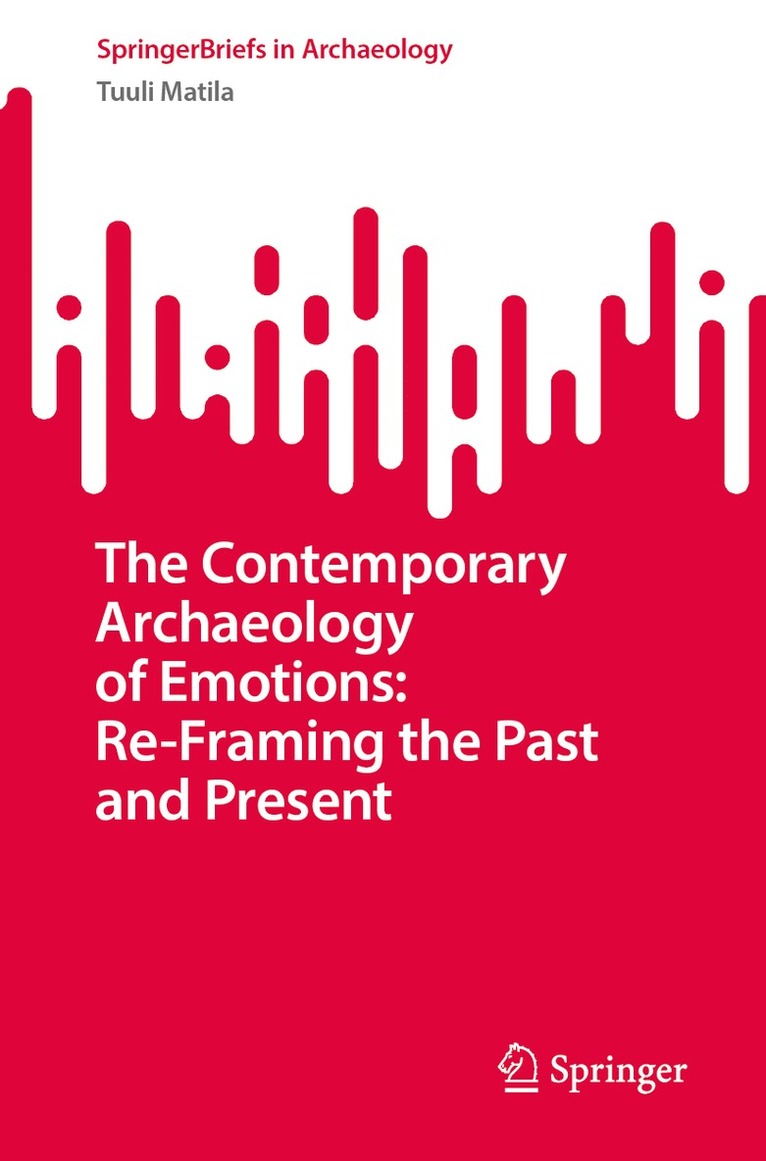
This SpringerBrief examines emotions in the past through contemporary archaeological materials. The author explores this topic using the context of a former working-class neighbourhood in northern Finland that existed during the Cold War era (1947-1987). Finland offers an interesting context to examine this because of the twofold emotional frames; the Cold War and capitalism versus the nascent welfare state. The push and pull between the values emphasizing universal care and compassion against the hardline militarisation and financial competition results in accessing different and, sometimes, contradictory emotions. It also affords a gendered view into the past and such an angle could be attempted in the context of the deep past as well. This book offers several examples on how emotions could be accessed in the deep past and draws parallels between the examples from a contemporary 'western' country and various archaeological cultures and contexts. Emotions can be a bridge to access the secrets of human behavior. Such bridging is the core strength of archaeological education, but rarely are emotions acknowledged in the process. Lastly, this book underlines the role of emotions, specifically empathy, in archaeological education and in destabilizing contemporary political notions on social norms and contracts.
E-bok
Engelska, 2025652 kr
Läs direkt efter köp
This SpringerBrief examines emotions in the past through contemporary archaeological materials. The author explores this topic using the context of a former working-class neighbourhood in northern Finland that existed during the Cold War era (1947-1987). Finland offers an interesting context to examine this because of the twofold emotional frames; the Cold War and capitalism versus the nascent welfare state. The push and pull between the values emphasizing universal care and compassion against the hardline militarisation and financial competition results in accessing different and, sometimes, contradictory emotions. It also affords a gendered view into the past and such an angle could be attempted in the context of the deep past as well. This book offers several examples on how emotions could be accessed in the deep past and draws parallels between the examples from a contemporary 'western' country and various archaeological cultures and contexts. Emotions can be a bridge to access the secrets of human behavior. Such bridging is the core strength of archaeological education, but rarely are emotions acknowledged in the process. Lastly, this book underlines the role of emotions, specifically empathy, in archaeological education and in destabilizing contemporary political notions on social norms and contracts.