Tyler Sage - Böcker
Visar alla böcker från författaren Tyler Sage. Handla med fri frakt och snabb leverans.
3 produkter
3 produkter
1 432 kr
Skickas inom 7-10 vardagar
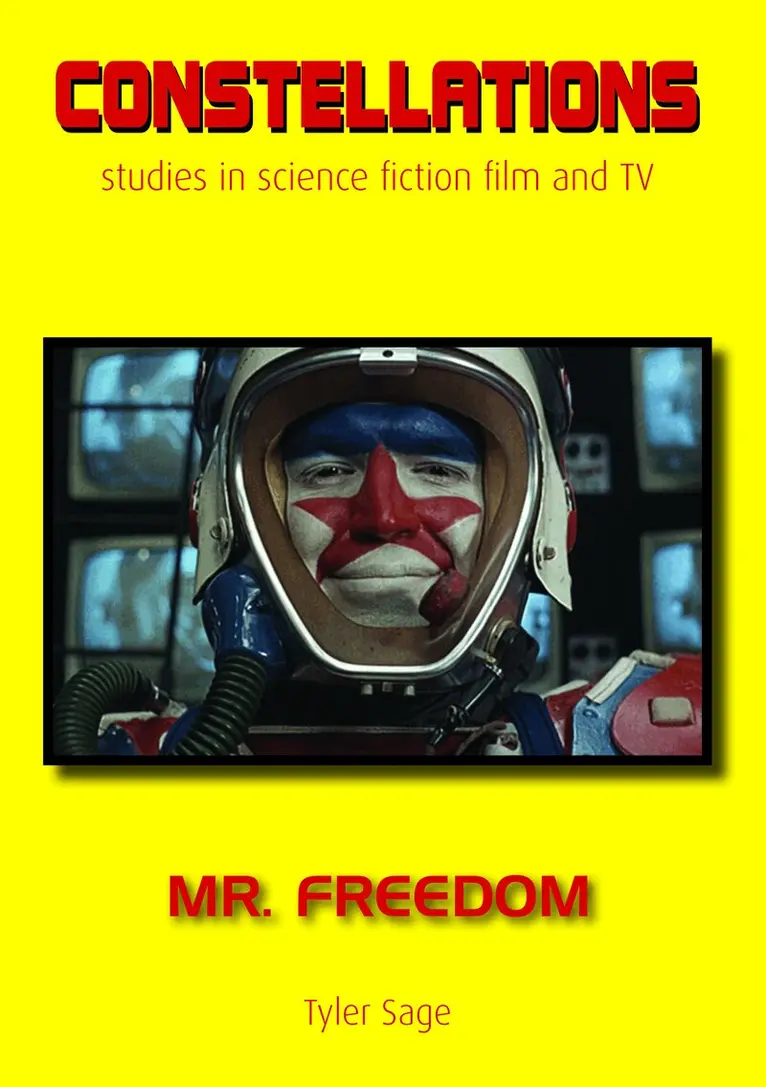
William Klein’s Mr. Freedom (1969) is one of the most important American satirical films ever produced, the tale of an American superhero with disastrously misguided priorities. Although it was made in France and with a largely French cast, Klein was an American expatriate, and the film’s primary topic is American culture. That it is still so largely unseen seems to have something to do with a view of it as being, in the words of critic Jonathan Rosenbaum, “conceivably the most anti-American movie ever made”.In his contribution to the Constellations series, Tyler Sage argues that to call Mr. Freedom “anti-American” is to misunderstand not only the film but the satirical tradition of American arts and letters from which it descends. The film is challenging, Sage asserts, not because it is unpatriotic but because it lays bare the ideological nature of American films themselves. By interweaving a startling range of topics, including the cultural conditions surrounding the Vietnam War, the foundations of the American obsessions with race and violence, and our contemporary superhero film cycle, Sage explores the ways Mr. Freedom compels the viewer to come to terms with the fact that the stories we tell ourselves can never be separated from the larger forces of history, culture and film tradition.
355 kr
Skickas inom 7-10 vardagar
William Klein’s Mr. Freedom (1969) is one of the most important American satirical films ever produced, the tale of an American superhero with disastrously misguided priorities. Although it was made in France and with a largely French cast, Klein was an American expatriate, and the film’s primary topic is American culture. That it is still so largely unseen seems to have something to do with a view of it as being, in the words of critic Jonathan Rosenbaum, “conceivably the most anti-American movie ever made”.In his contribution to the Constellations series, Tyler Sage argues that to call Mr. Freedom “anti-American” is to misunderstand not only the film but the satirical tradition of American arts and letters from which it descends. The film is challenging, Sage asserts, not because it is unpatriotic but because it lays bare the ideological nature of American films themselves. By interweaving a startling range of topics, including the cultural conditions surrounding the Vietnam War, the foundations of the American obsessions with race and violence, and our contemporary superhero film cycle, Sage explores the ways Mr. Freedom compels the viewer to come to terms with the fact that the stories we tell ourselves can never be separated from the larger forces of history, culture and film tradition.
Del 32 - Thamyris/Intersecting: Place, Sex and Race
Subjects Barbarian, Monstrous, and Wild
Encounters in the Arts and Contemporary Politics
Häftad, Engelska, 2017
1 523 kr
Skickas inom 5-8 vardagar
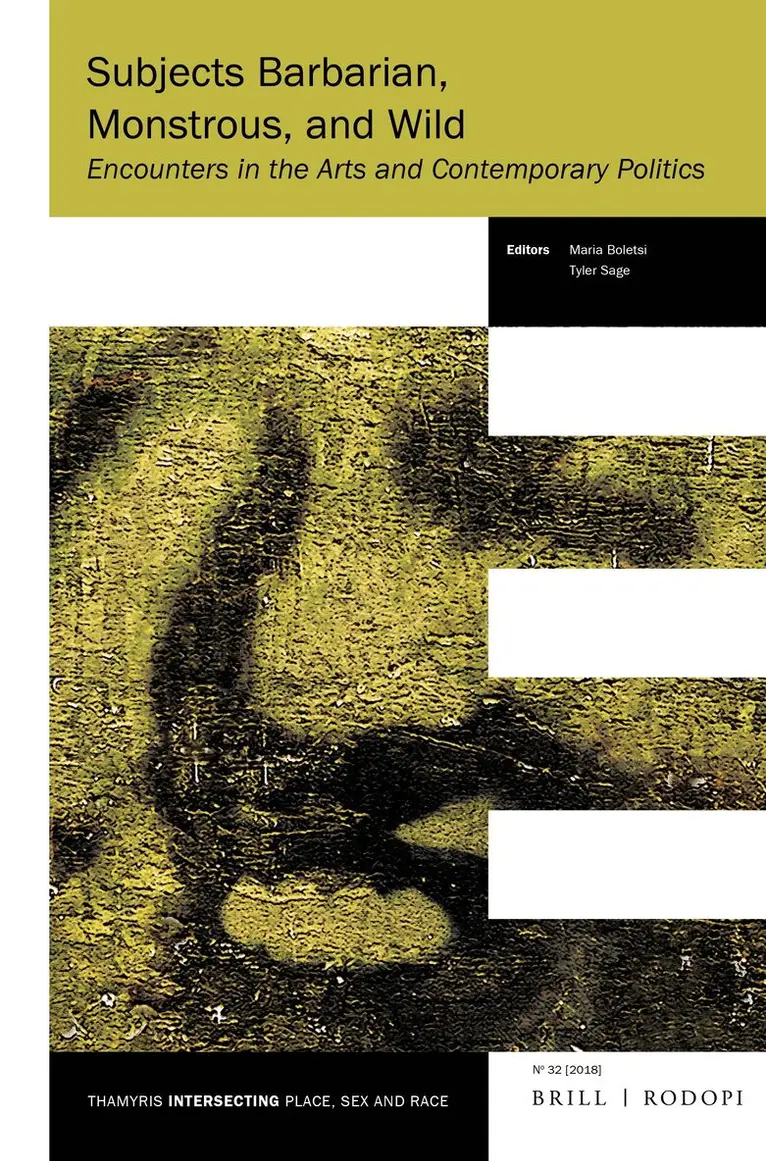
Subjects Barbarian, Monstrous, and Wild responds to a contemporary political climate in which historically invested figures of otherness—barbarians, savages, monsters—have become common discursive currency. Through questionable historical comparisons, politicians and journalists evoke barbaric or primitive forces threatening civilization in order to exacerbate the fear of others, diagnose civilizational decline, or feed nostalgic restorative projects. These evocations often demand that forms of oppression, discrimination, and violence be continued or renewed. In this context, the collected essays explore the dispossessing effects of these figures but also their capacities for reimagining subjectivity, agency, and resistance to contemporary forms of power. Emphasizing intersections of the aesthetic and the political, these essays read canonical works alongside contemporary literature, film, art, music, and protest cultures. They interrogate the violent histories but also the subversive potentials of figures barbarous, monstrous, or wild, while illustrating the risks in affirmative resignifications or new mobilizations.Contributors: Sophie van den Bergh, Maria Boletsi, Siebe Bluijs, Giulia Champion, Cui Chen, Tom Curran, Andries Hiskes, Tyler Sage, Cansu Soyupak, Ruby de Vos, Mareen Will