Tzafrir Barzilay - Böcker
Visar alla böcker från författaren Tzafrir Barzilay. Handla med fri frakt och snabb leverans.
3 produkter
3 produkter
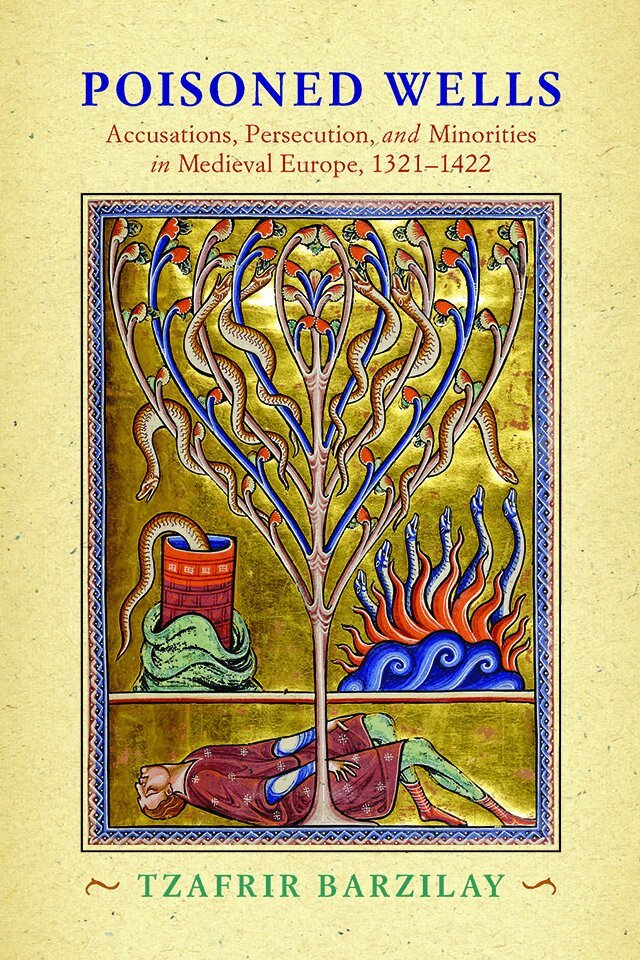
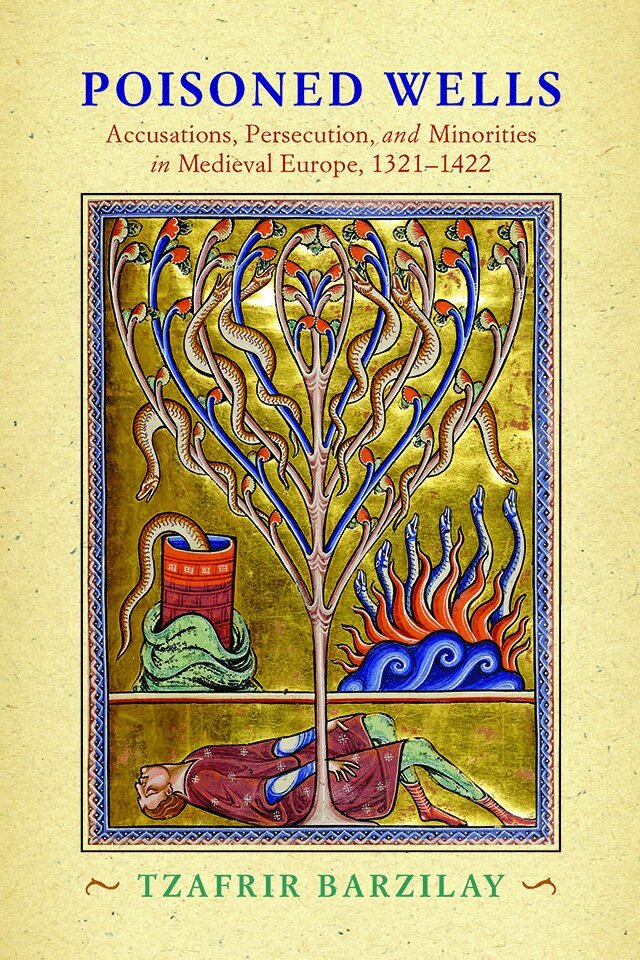
Poisoned Wells
Accusations, Persecution, and Minorities in Medieval Europe, 1321-1422
Inbunden, Engelska, 2022
766 kr
Skickas inom 7-10 vardagar
Between 1348 and 1350, Jews throughout Europe were accused of having caused the spread of the Black Death by poisoning the wells from which the entire population drank. Hundreds if not thousands were executed from Aragon and southern France into the eastern regions of the German-speaking lands. But if the well-poisoning accusations against the Jews during these plague years are the most frequently cited of such cases, they were not unique. The first major wave of accusations came in France and Aragon in 1321, and it was lepers, not Jews, who were the initial targets. Local authorities, and especially municipal councils, promoted these charges so as to be able to seize the property of the leprosaria, Tzafrir Barzilay contends. The allegations eventually expanded to describe an international conspiracy organized by Muslims, and only then, after months of persecution of the lepers, did some nobles of central France implicate the Jews, convincing the king to expel them from the realm.In Poisoned Wells Barzilay explores the origins of these charges of well poisoning, asks how the fear took root and moved across Europe, which groups it targeted, why it held in certain areas and not others, and why it waned in the fifteenth century. He argues that many of the social, political, and environmental factors that fed the rise of the mass poisoning accusations had already appeared during the thirteenth century, a period of increased urbanization, of criminal poisoning charges, and of the proliferation of medical texts on toxins. In studying the narratives that were presented to convince officials that certain groups committed well poisoning and the legal and bureaucratic mechanisms that moved rumors into officially accepted and prosecutable crimes, Barzilay has written a crucial chapter in the long history of the persecution of European minorities.
345 kr
Skickas inom 5-8 vardagar
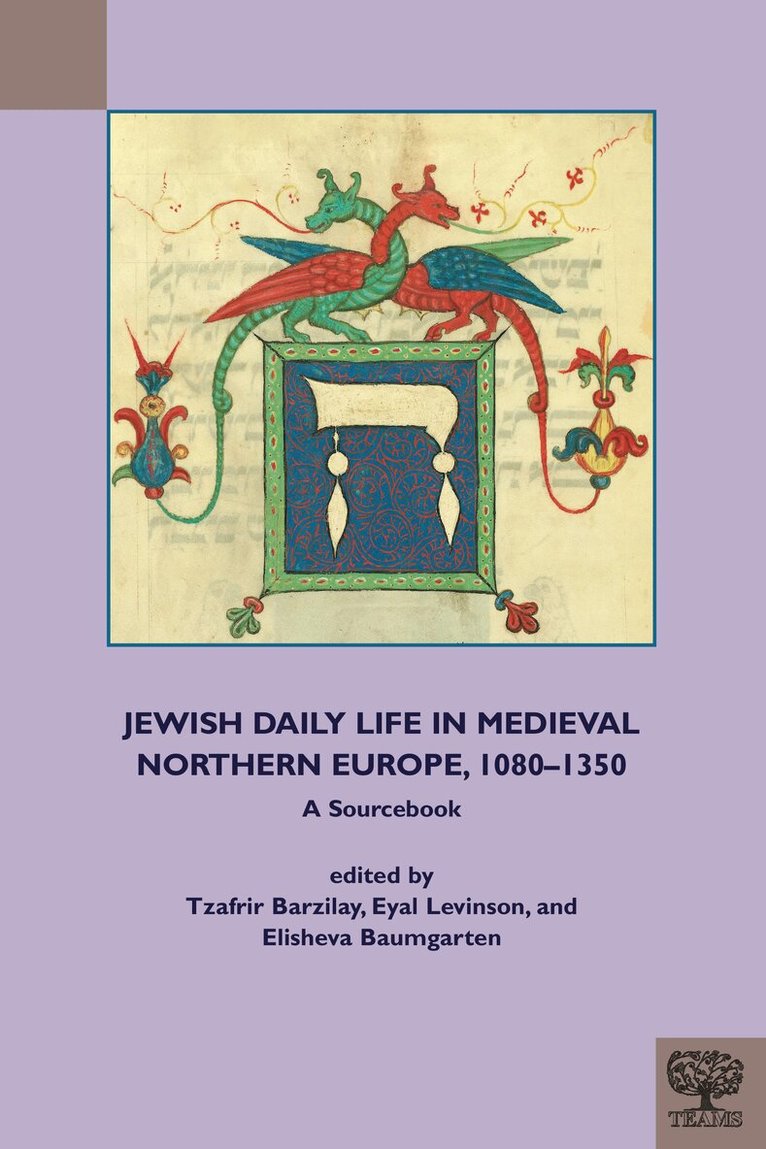
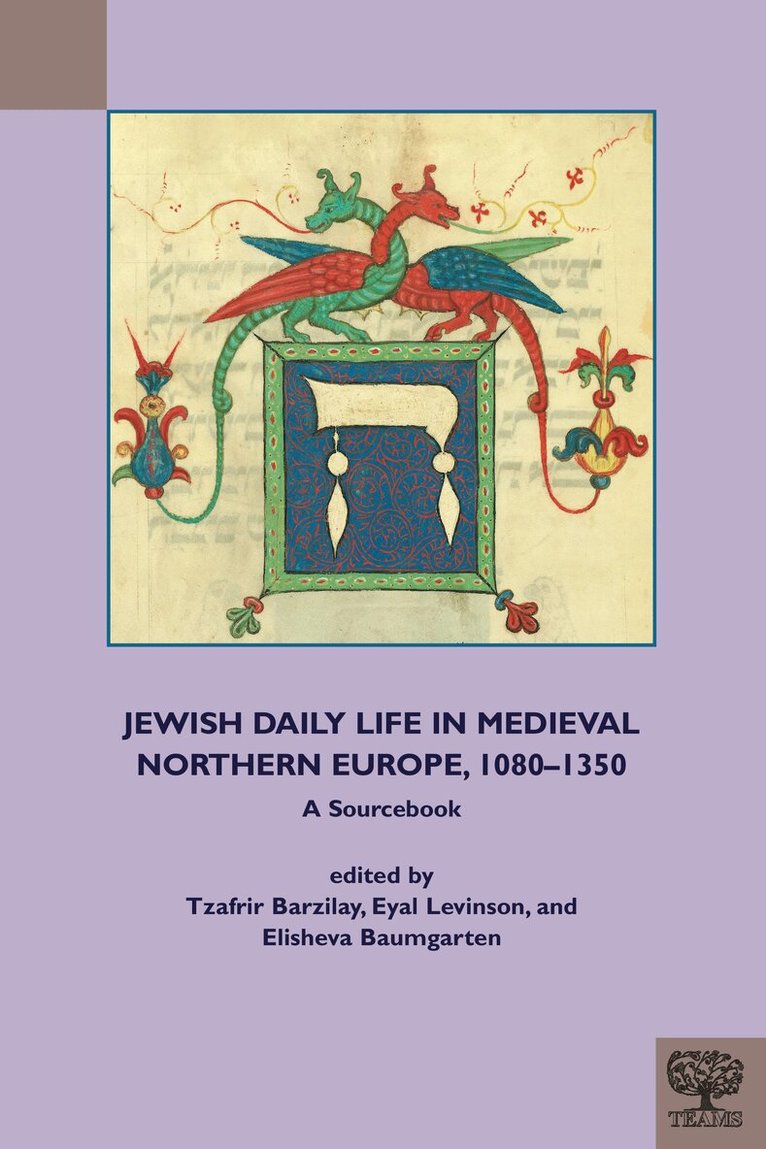
This sourcebook is designed to introduce students to the everyday lives of the Jews who lived in the German Empire, northern France and England from the 11th to the mid-14th centuries. The volume consists of translations of primary sources written by or about medieval Jews, each source accompanied by an introduction that provides historical context. Through the sources, students can become familiar with the spaces that Jews frequented, their daily practices and rituals and their thinking.The subject matter ranges from culinary preferences and details of sexual lives, to garments, objects and communal buildings. The documents testify to how Jews enacted their Sabbath and holidays, celebrated their weddings, births and other lifecycle events, and mourned their dead. Some of the sources focus on the relationships they had with their Christian neighbours, the local authorities and the Church, while others shed light on their economic activities and professions.With contributions by members of the "Beyond the Elite: Jewish Daily Life in Medieval Europe" research team: Neta Bodner, Nureet Dermer, Aviya Doron, Miri Fenton, Etelle Kalaora, Albert Kohn, Andreas Lehnertz, Adi Namia-Cohen, Hannah Teddy Schachter and Amit Shafran.
991 kr
Skickas inom 5-8 vardagar
This sourcebook is designed to introduce students to the everyday lives of the Jews who lived in the German Empire, northern France and England from the 11th to the mid-14th centuries. The volume consists of translations of primary sources written by or about medieval Jews, each source accompanied by an introduction that provides historical context. Through the sources, students can become familiar with the spaces that Jews frequented, their daily practices and rituals and their thinking.The subject matter ranges from culinary preferences and details of sexual lives, to garments, objects and communal buildings. The documents testify to how Jews enacted their Sabbath and holidays, celebrated their weddings, births and other lifecycle events, and mourned their dead. Some of the sources focus on the relationships they had with their Christian neighbours, the local authorities and the Church, while others shed light on their economic activities and professions.With contributions by members of the "Beyond the Elite: Jewish Daily Life in Medieval Europe" research team: Neta Bodner, Nureet Dermer, Aviya Doron, Miri Fenton, Etelle Kalaora, Albert Kohn, Andreas Lehnertz, Adi Namia-Cohen, Hannah Teddy Schachter and Amit Shafran.