Una McIlvenna – författare
Visar alla böcker från författaren Una McIlvenna. Handla med fri frakt och snabb leverans.
7 produkter
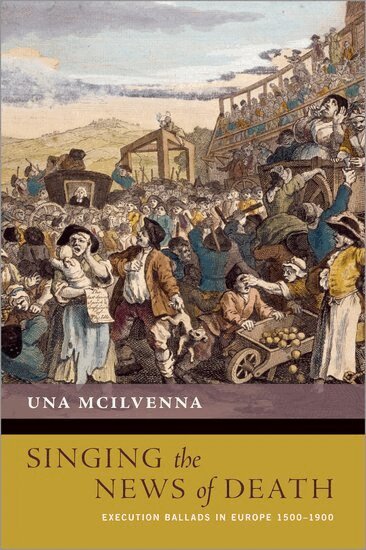
Singing the News of Death
Execution Ballads in Europe 1500-1900
Inbunden, 2022
1880 kr
Lägg i varukorg
Across Europe, from the dawn of print until the early twentieth century, the news of crime and criminals' public executions was printed in song form on cheap broadsides and pamphlets to be sold in streets and marketplaces by ballad-singers. Singing the News of Death: Execution Ballads in Europe …
Singing the News of Death
Execution Ballads in Europe 1500-1900
E-bok, 2022
1855 kr
Lägg i varukorg
Across Europe, from the dawn of print until the early twentieth century, the news of crime and criminals'' public executions was printed in song form on cheap broadsides and pamphlets to be sold in streets and marketplaces by ballad-singers. Singing the News of Death: Execution Ballads in Europe …
Singing the News of Death
Execution Ballads in Europe 1500-1900
E-bok, 2022
1855 kr
Lägg i varukorg
Across Europe, from the dawn of print until the early twentieth century, the news of crime and criminals'' public executions was printed in song form on cheap broadsides and pamphlets to be sold in streets and marketplaces by ballad-singers. Singing the News of Death: Execution Ballads in Europe …
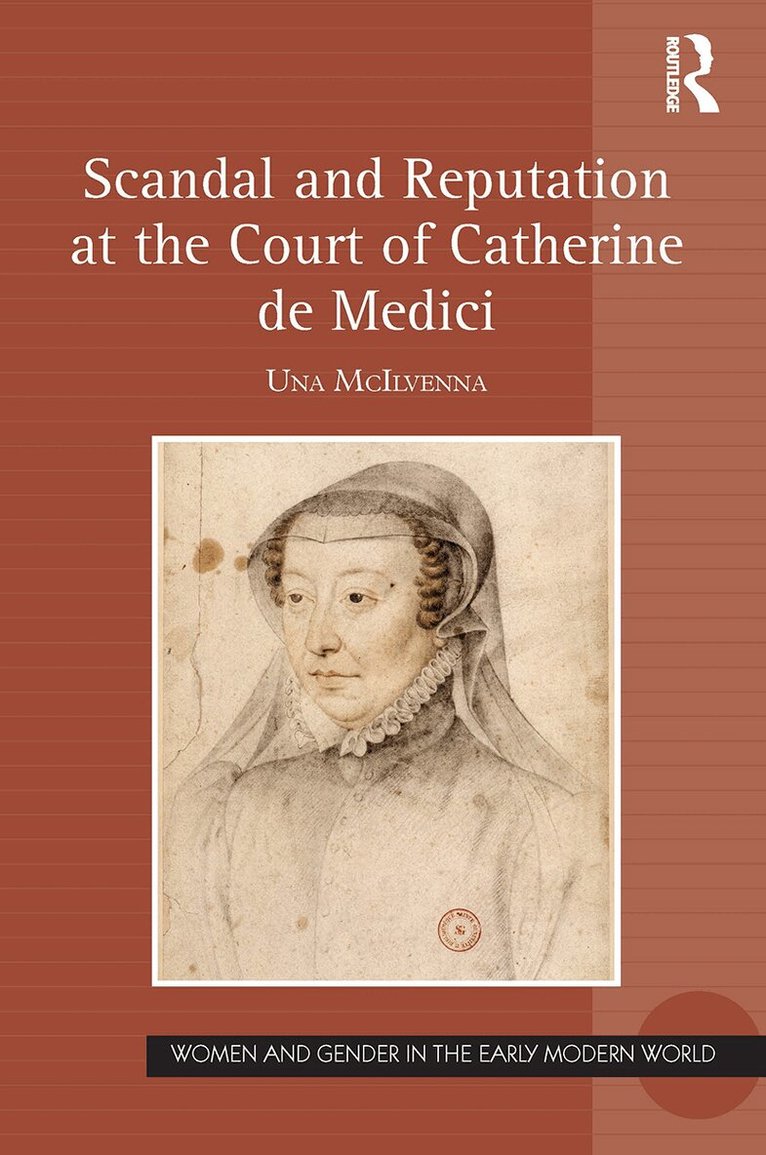
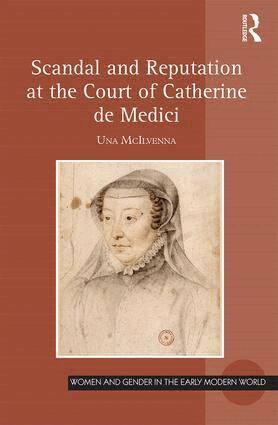
Scandal and Reputation at the Court of Catherine de Medici
Häftad, 2022
812 kr
Lägg i varukorg
Scandal and Reputation at the Court of Catherine de Medici explores Catherine de Medici's 'flying squadron', the legendary ladies-in-waiting of the sixteenth-century French queen mother who were alleged to have been ordered to seduce politically influential men for their mistress's own …
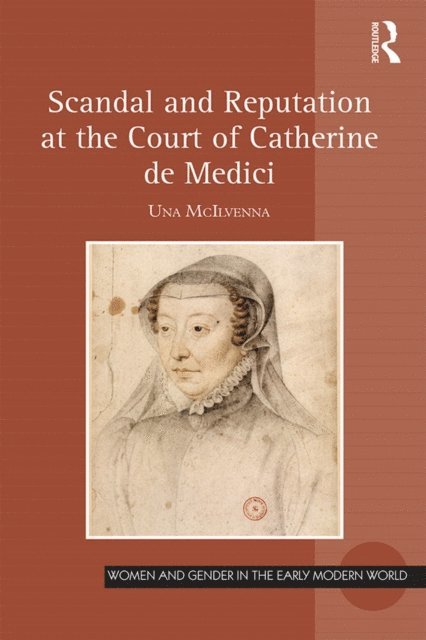
Scandal and Reputation at the Court of Catherine de Medici
E-bok, 2016
767 kr
Lägg i varukorg
Scandal and Reputation at the Court of Catherine de Medici explores Catherine de Medici''s ''flying squadron'', the legendary ladies-in-waiting of the sixteenth-century French queen mother who were alleged to have been ordered to seduce politically influential men for their mistress''s own …
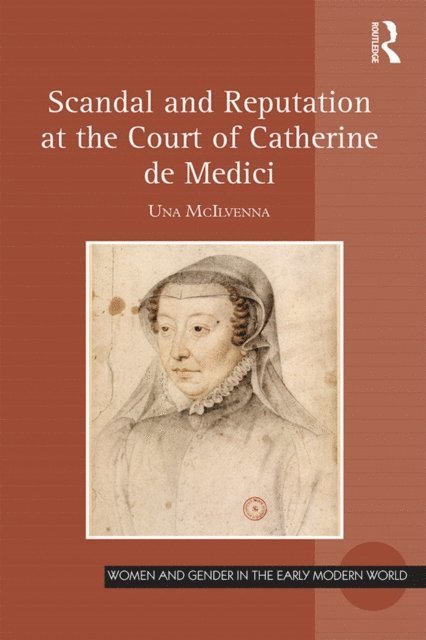
Scandal and Reputation at the Court of Catherine de Medici
E-bok, 2016
767 kr
Lägg i varukorg
Scandal and Reputation at the Court of Catherine de Medici explores Catherine de Medici''s ''flying squadron'', the legendary ladies-in-waiting of the sixteenth-century French queen mother who were alleged to have been ordered to seduce politically influential men for their mistress''s own …
Scandal and Reputation at the Court of Catherine de Medici
Inbunden, 2016
2578 kr
Lägg i varukorg
Scandal and Reputation at the Court of Catherine de Medici explores Catherine de Medici's 'flying squadron', the legendary ladies-in-waiting of the sixteenth-century French queen mother who were alleged to have been ordered to seduce politically influential men for their mistress's own …