Uri Cohen – författare
Visar alla böcker från författaren Uri Cohen. Handla med fri frakt och snabb leverans.
2 produkter
2 produkter
Inbunden, Engelska, 2025
1 564 kr
Skickas inom 3-6 vardagar
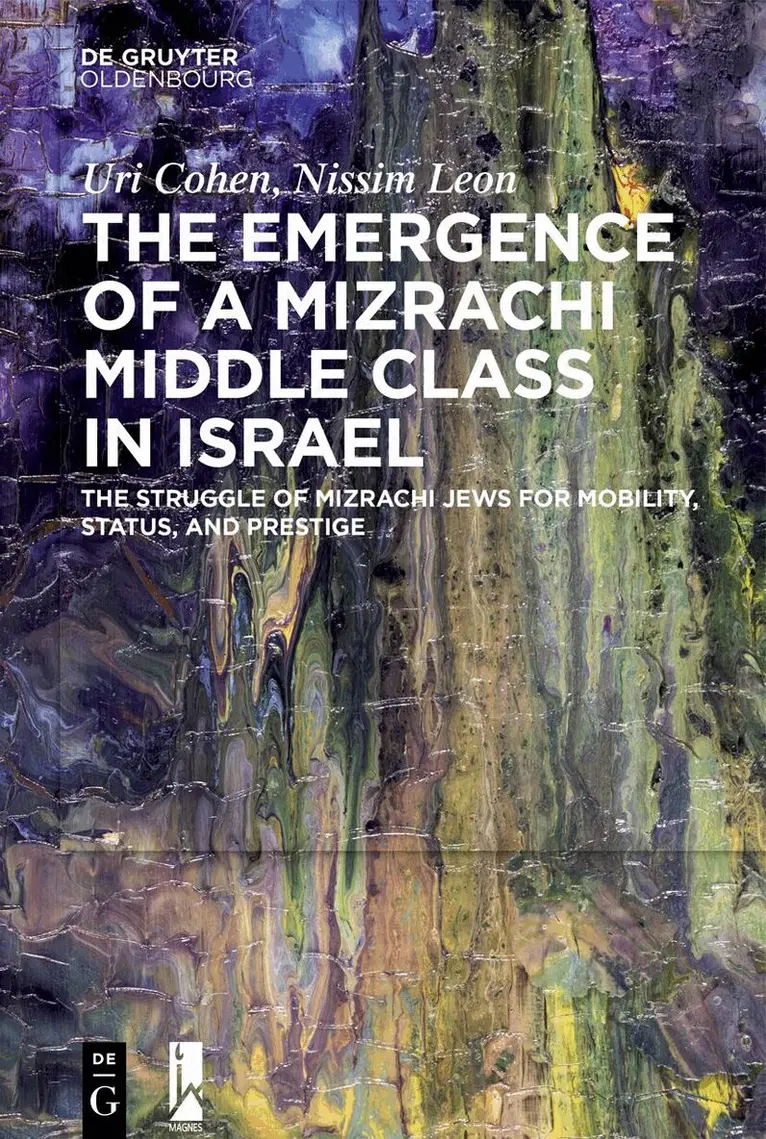
The Emergence of the Mizrachi Middle Class examines one of the major issues in the sociology of Israel: the story of the Mizrachim (Jews of Middle Eastern and North African descent), a group that has been, and is still, engaged in class-mobility efforts, and is ostensibly closing the gap between itself and the Ashkenazim (Jews of Central and Eastern European extraction). This is one of the most important social processes to have emerged in Israel in recent decades; it is changing the face of the Israeli middle class. While Israeli public discourse depicts this process as a reduction of ethnic and class disparities, the critical analysis offered in this book aims to reveal the issue’s tremendous complexity. The academically-educated Mizrachi middle class is an effective social focus for the description and critical analysis of the Mizrachi mobility process, its sources, and the accompanying social unrest. The book shows that Mizrachi mobility was not a continuous progression along orderly mobility routes, but rather a struggle full of mobility traps – a Sisyphean effort to achieve not only economic advancement, but also status and prestige in Israeli society.
E-bok
PDF, Engelska, 20171 939 kr
Läs direkt efter köp
This new research investigates socio-political and ethnic-cultural conflicts over wage gaps in Israel during the 1950s. The Academic Middle-Class Rebellion exposes the struggle of the Ashkenazi (European) professional elite to capitalize on its advantages during the first decade of Israeli statehood, by attempting to maximize wage gaps between themselves and the new Oriental Jewish proletariat. This struggle was met with great resistance from the government under the ruling party, Mapai, and its leader David Ben-Gurion. The clash between the two sides revealed diverse, contradictory visions of the optimal socio-economic foundation for establishing collective identity in the new nation-state. The study by Avi Bareli and Uri Cohen uncovers patterns that merged nationalism and socialism in 1950s Israel confronting a liberal and meritocratic vision.