Uttam Kumar Sinha – författare
Visar alla böcker från författaren Uttam Kumar Sinha. Handla med fri frakt och snabb leverans.
8 produkter
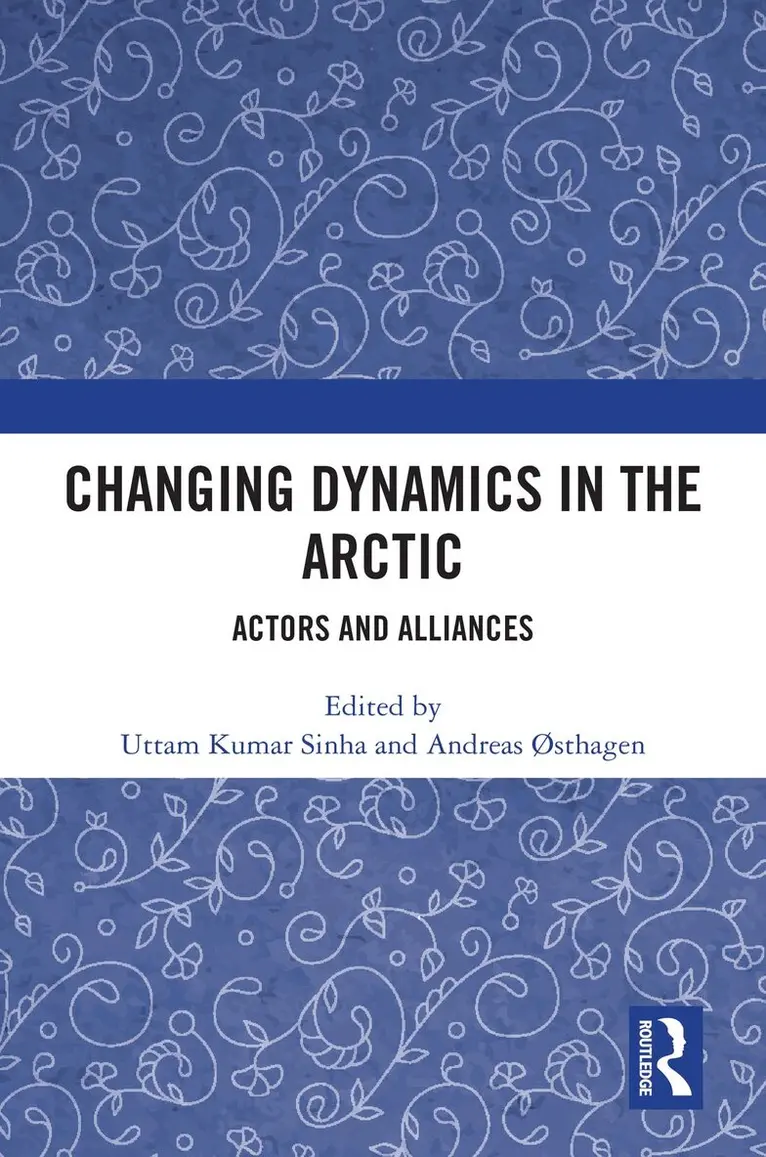
Changing Dynamics in the Arctic
Actors and Alliances
Av Andreas osthagen, Uttam Kumar Sinha
E-bok, 2026
813 kr
Lägg i varukorg
This book addresses four key questions about contemporary Arctic geopolitics: How do Arctic states view security from a geopolitical perspective? What conditions could re-stabilize Arctic cooperation? What forces have shaped current Arctic dynamics? And what choices could foster future …
Changing Dynamics in the Arctic
Actors and Alliances
Av Uttam Kumar Sinha, Andreas Østhagen
Inbunden, 2026
2516 kr
Lägg i varukorg
This book addresses four key questions about contemporary Arctic geopolitics: How do Arctic states view security from a geopolitical perspective? What conditions could re-stabilize Arctic cooperation? What forces have shaped current Arctic dynamics? And what choices could foster future …
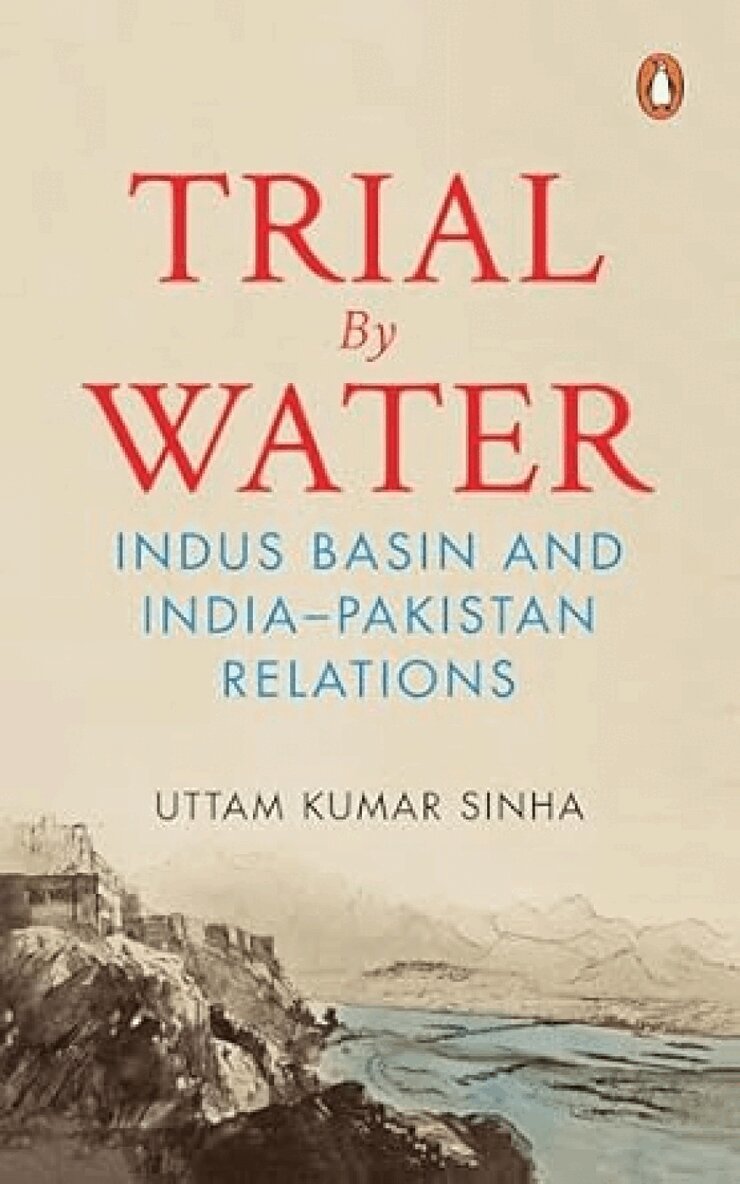
Trial by Water
Indus Basin and India-Pakistan Relations
Häftad, 2025
410 kr
Lägg i varukorg
This book analyses how the Indus Water Treaty has been at the centre of the turbulent relationship between India and Pakistan. Through history, political dynamics and the roles of key leaders, it explores the evolution and workings of one of the world’s most crucial transboundary water agreements.
Changing Dynamics in the Arctic
Actors and Alliances
Av Andreas osthagen, Uttam Kumar Sinha
E-bok, 2026
831 kr
Lägg i varukorg
This book addresses four key questions about contemporary Arctic geopolitics: How do Arctic states view security from a geopolitical perspective? What conditions could re-stabilize Arctic cooperation? What forces have shaped current Arctic dynamics? And what choices could foster future …
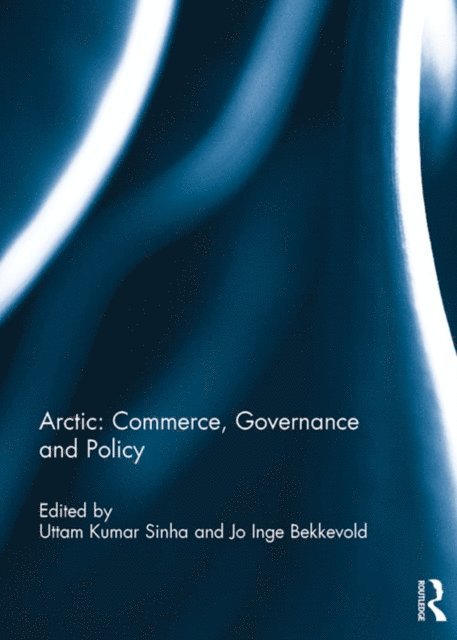
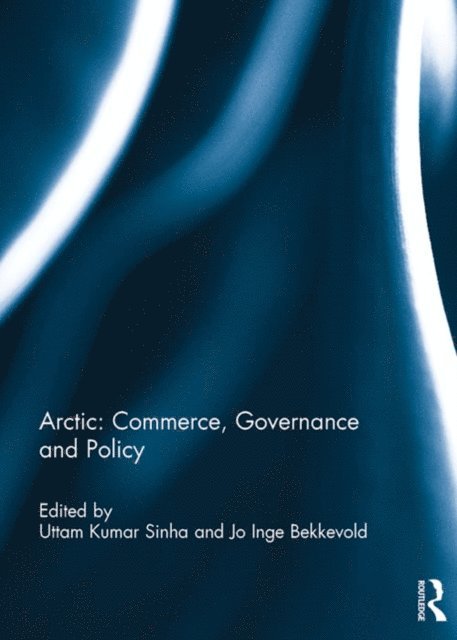
Arctic: Commerce, Governance and Policy
Commerce, Governance and Policy
Av Uttam Kumar Sinha, Jo Inge Bekkevold
Häftad, 2017
691 kr
Lägg i varukorg
In May 2013, China, India, Japan, Singapore and South Korea (Asia 5) were given status as permanent observers in the Arctic Council. It was a symbolic and significant moment in the history of Arctic affairs. The list of stakeholders in the Arctic has now expanded to include both the Arctic littoral …
Arctic: Commerce, Governance and Policy
Commerce, Governance and Policy
Av Uttam Kumar Sinha, Jo Inge Bekkevold
Inbunden, 2015
2319 kr
Lägg i varukorg
In May 2013, China, India, Japan, Singapore and South Korea (Asia 5) were given status as permanent observers in the Arctic Council. It was a symbolic and significant moment in the history of Arctic affairs. The list of stakeholders in the Arctic has now expanded to include both the Arctic littoral …
Arctic
Commerce, Governance and Policy
Av Jo Inge Bekkevold, Uttam Kumar Sinha
E-bok, 2017
813 kr
Lägg i varukorg
In May 2013, China, India, Japan, Singapore and South Korea (Asia 5) were given status as permanent observers in the Arctic Council. It was a symbolic and significant moment in the history of Arctic affairs. The list of stakeholders in the Arctic has now expanded to include both the Arctic littoral …
Arctic
Commerce, Governance and Policy
Av Jo Inge Bekkevold, Uttam Kumar Sinha
E-bok, 2017
795 kr
Lägg i varukorg
In May 2013, China, India, Japan, Singapore and South Korea (Asia 5) were given status as permanent observers in the Arctic Council. It was a symbolic and significant moment in the history of Arctic affairs. The list of stakeholders in the Arctic has now expanded to include both the Arctic littoral …