Valentin Braitenberg – författare
Visar alla böcker från författaren Valentin Braitenberg. Handla med fri frakt och snabb leverans.
7 produkter
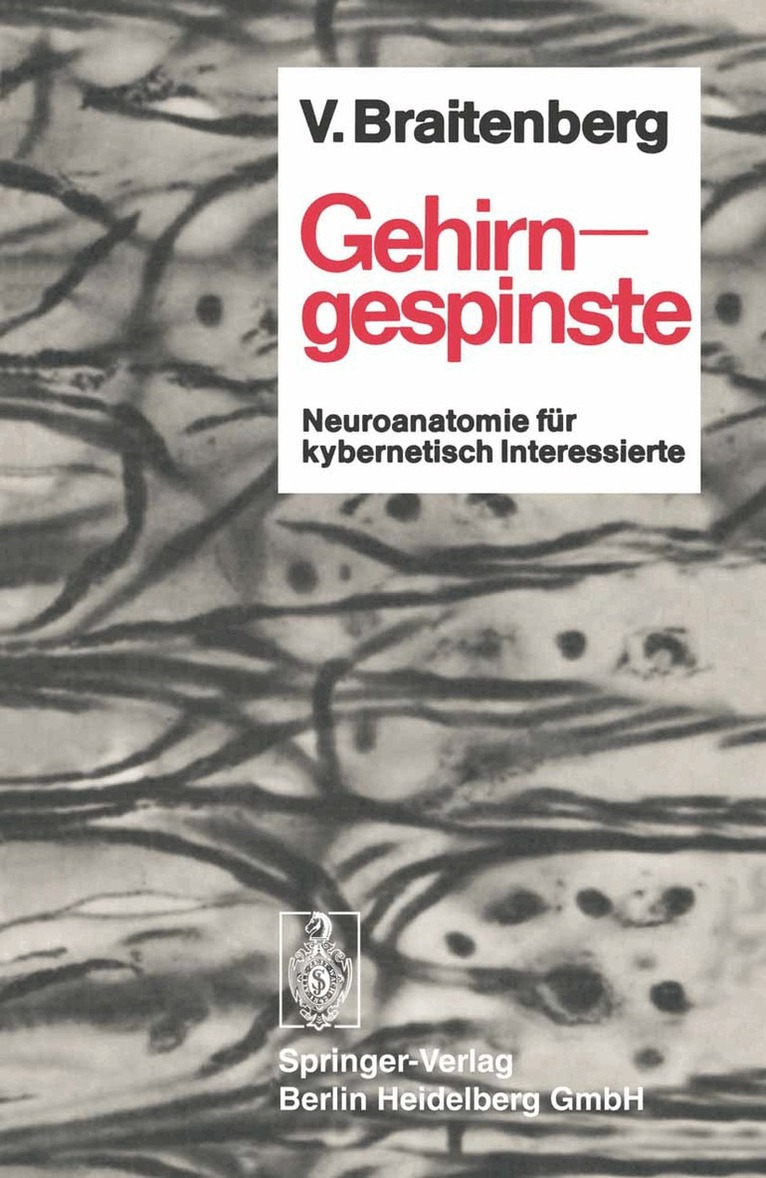
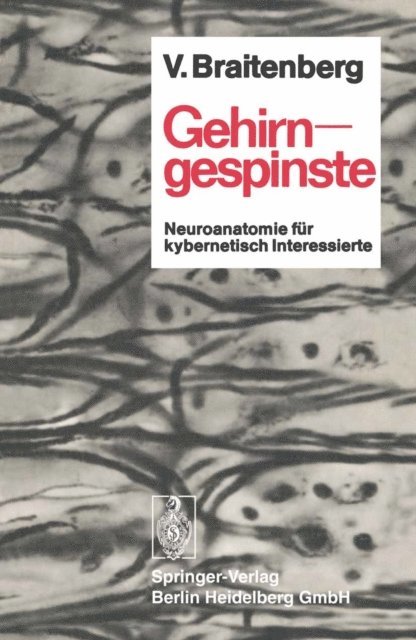
Gehirngespinste
Neuroanatomie für kybernetisch Interessierte
Häftad, 1973
847 kr
Lägg i varukorg
Ich glaube, daß das interessanteste Forschungsobjekt dieser Welt, abgesehen von der Welt selbst, das menschliche Gehirn ist. So wie eines Tages die Einsicht in das Wesen der Materie gewaltige Verände rungen in unserem Denken zur Folge haben wird, ähnlich erschütternd wird, glaube ich, das volle …
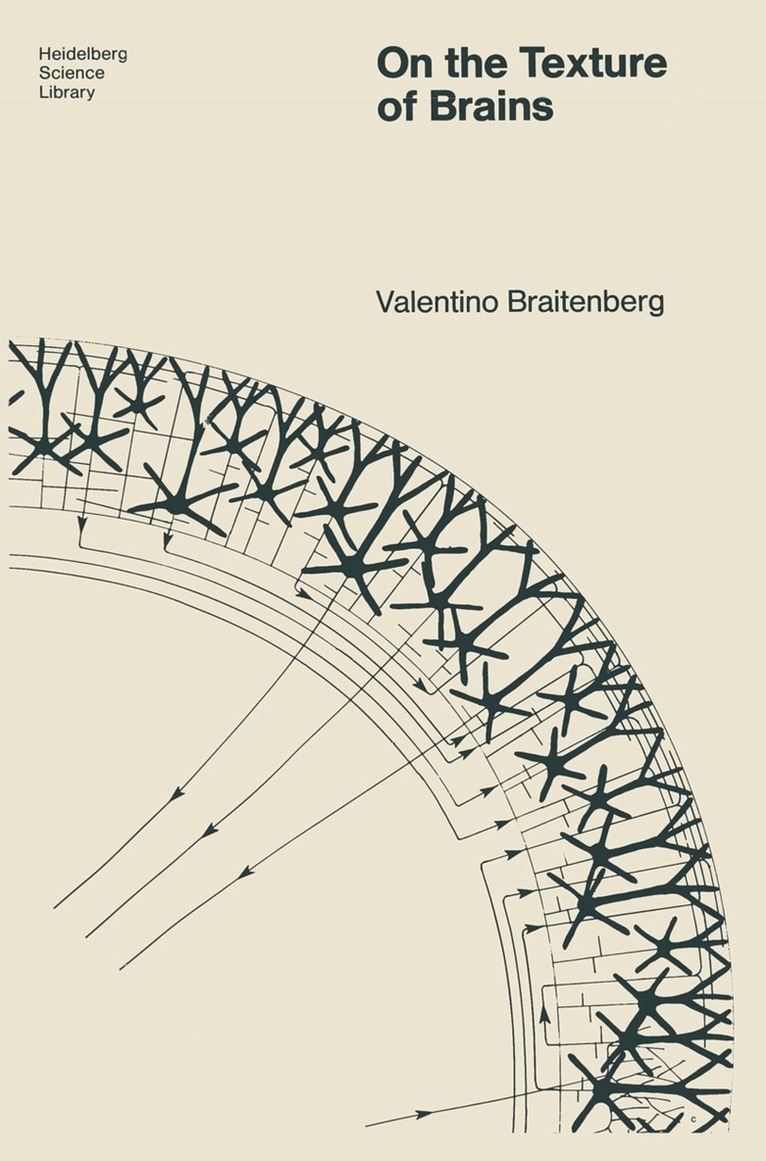
On the Texture of Brains
An Introduction to Neuroanatomy for the Cybernetically Minded
Häftad, 1977
569 kr
Lägg i varukorg
I believe that the most intriguing thing in the world, be sides the world itself, is the human brain. Moreover, I am sure that a coherent natural philosophy will only be possible once we have understood how the brain, itself an object of physics, generates the description of the physical word. …
On the Texture of Brains
An Introduction to Neuroanatomy for the Cybernetically Minded
E-bok, 2013
755 kr
Lägg i varukorg
I believe that the most intriguing thing in the world, be sides the world itself, is the human brain. Moreover, I am sure that a coherent natural philosophy will only be possible once we have understood how the brain, itself an object of physics, generates the description of the physical word. …
Gehirngespinste
Neuroanatomie für kybernetisch Interessierte
E-bok, 2013
465 kr
Lägg i varukorg
Ich glaube, daß das interessanteste Forschungsobjekt dieser Welt, abgesehen von der Welt selbst, das menschliche Gehirn ist. So wie eines Tages die Einsicht in das Wesen der Materie gewaltige Verände rungen in unserem Denken zur Folge haben wird, ähnlich erschütternd wird, glaube ich, das volle …