Vandana Wadhwa – författare
Visar alla böcker från författaren Vandana Wadhwa. Handla med fri frakt och snabb leverans.
5 produkter
5 produkter
Inbunden, Engelska, 2019
1 188 kr
Skickas inom 10-15 vardagar
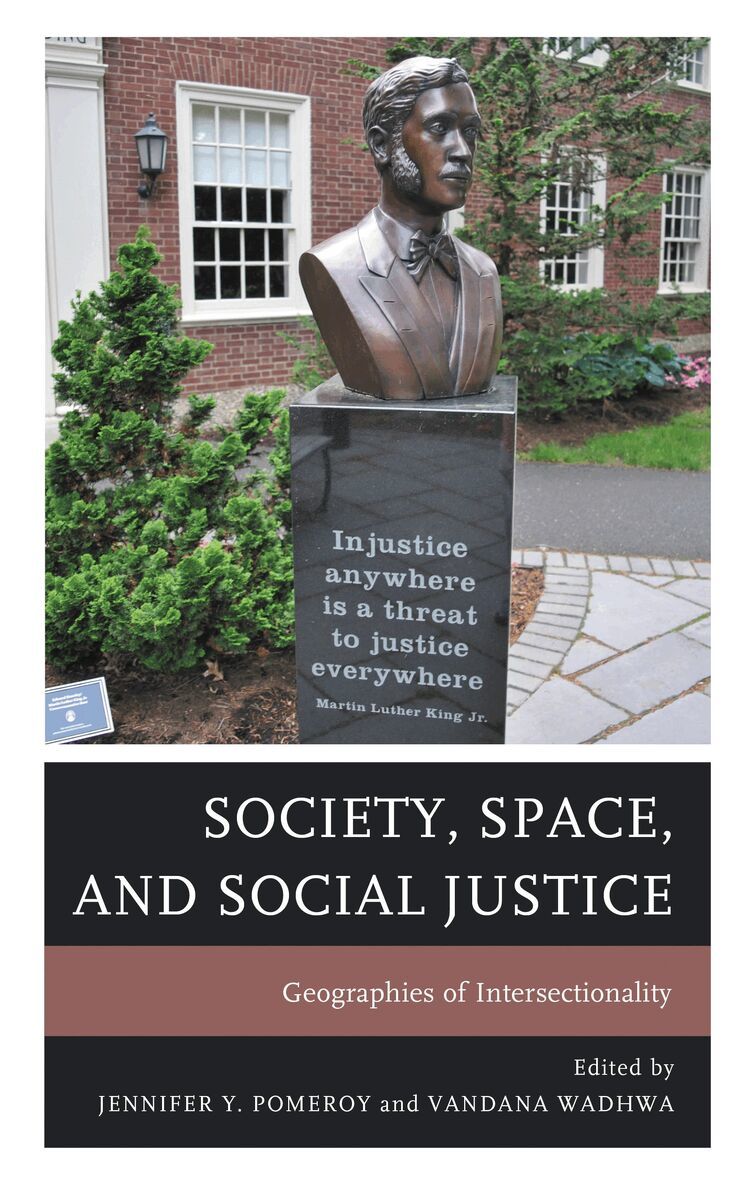
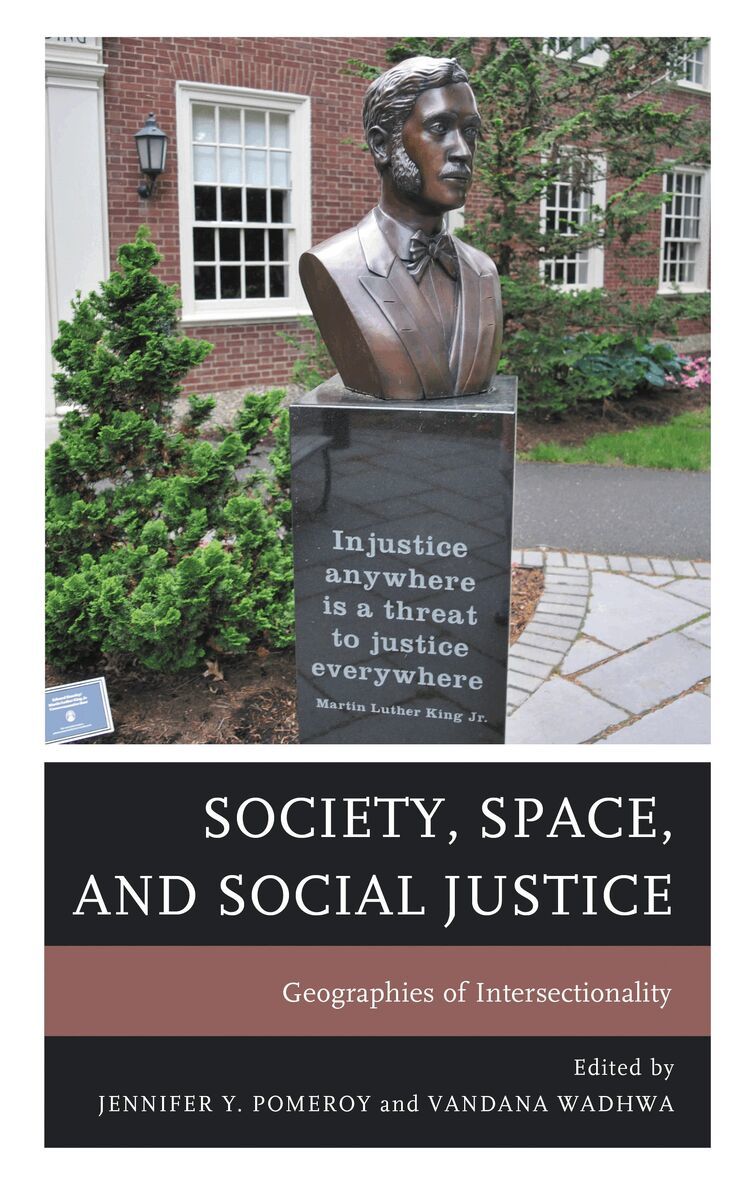
Society, Space, and Social Justice addresses multiple contextual intersectionalities, highlighting the underlying processes and causes contributing to the genesis and regeneration of emergent and extant spaces of (in)justice. Employing quantitative and qualitative techniques underpinned by elucidatory theoretical frameworks, the contributors to this collection investigate intersections of class, disability, gender, race, and “the other” within sociocultural and political-economic structures in varied geographic scales in Brazil, India, South Africa, Sri Lanka, Uganda, and the United States. This book’s thematic diversity—the environment and outdoors, employment and labor, gendered/othered violence, health and disease, housing, infrastructure, and urban design—gives it interdisciplinary appeal. This timely collection examines and unpacks the complex mechanisms by which social justice can be perverted, thwarted, or achieved.
Häftad, Engelska, 2023
451 kr
Skickas inom 10-15 vardagar
Society, Space, and Social Justice addresses multiple contextual intersectionalities, highlighting the underlying processes and causes contributing to the genesis and regeneration of emergent and extant spaces of (in)justice. Employing quantitative and qualitative techniques underpinned by elucidatory theoretical frameworks, the contributors to this collection investigate intersections of class, disability, gender, race, and “the other” within sociocultural and political-economic structures in varied geographic scales in Brazil, India, South Africa, Sri Lanka, Uganda, and the United States. This book’s thematic diversity—the environment and outdoors, employment and labor, gendered/othered violence, health and disease, housing, infrastructure, and urban design—gives it interdisciplinary appeal. This timely collection examines and unpacks the complex mechanisms by which social justice can be perverted, thwarted, or achieved.
Inbunden, Engelska, 2009
1 115 kr
Skickas inom 10-15 vardagar
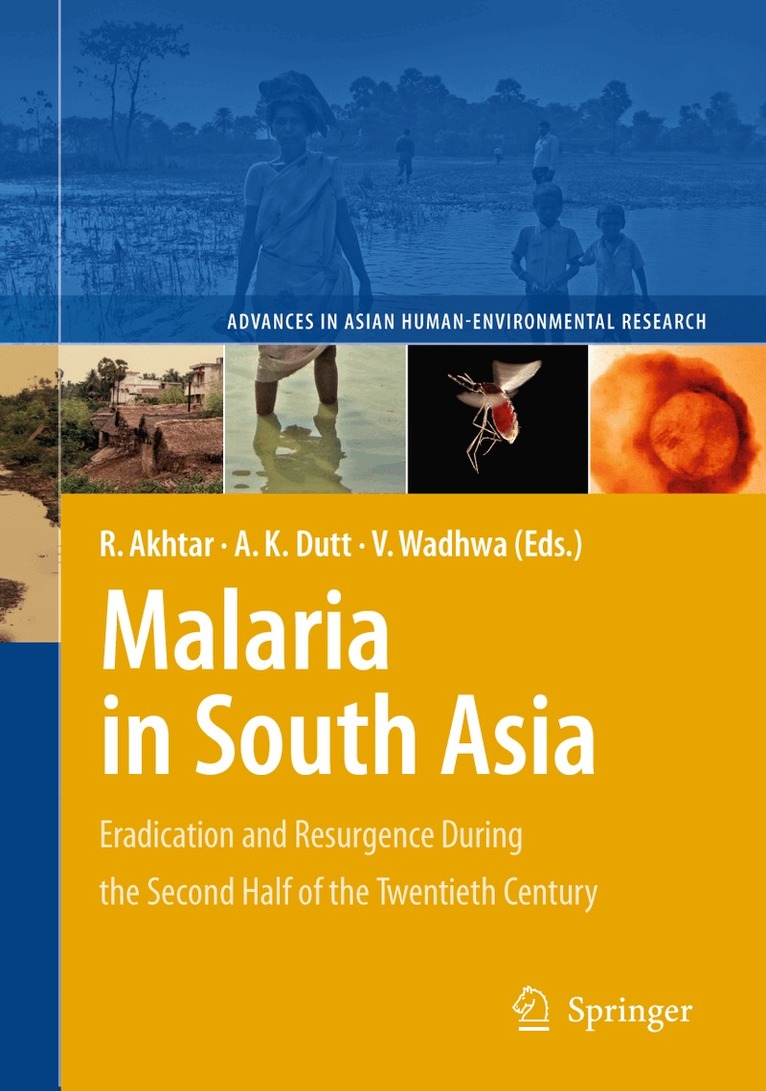
Malaria is one of the most widespread and devastating infectious diseases in the world. More than half the world population residing in over 100 countries is at risk of infection from this vector-borne disease. An estimated 250–500 million mal- ial cases occur each year, resulting in nearly one million deaths, the overwhelming majority of which are children. Because of the magnitude of the associated fata- ties, development experts consider malaria a ‘silent tsunami,’ comparing its death toll to the Indian Ocean tsunami (IOT) that ravaged several countries of South and Southeast Asia on December 26, 2004. That tsunami killed some 300,000 people (including children) at once. Globally, malarial deaths account for about 9% of all childhood deaths each year. However, with malaria more than most fatal d- eases, mortality is a small fraction of morbidity. Malaria is a debilitating disease, particularly for the adult population. In addition to children, pregnant women and migrating populations are most v- nerable to malaria. Miscarriage, stillbirth, and low birth weight are common among pregnant women who are infected with this disease. Malaria manifests itself through recurrent fever and chills, with associated symptoms such as anemia and an enlarged spleen. If a person survives the disease, he or she will develop a certain degree of immunity for some years. But malaria victims are not only deprived of energy, they also face an increased risk of other diseases taking hold in the weakened body.
E-bok
PDF, Engelska, 20091 459 kr
Läs direkt efter köp
Malaria is one of the most widespread and devastating infectious diseases in the world. More than half the world population residing in over 100 countries is at risk of infection from this vector-borne disease. An estimated 250–500 million mal- ial cases occur each year, resulting in nearly one million deaths, the overwhelming majority of which are children. Because of the magnitude of the associated fata- ties, development experts consider malaria a ‘silent tsunami,’ comparing its death toll to the Indian Ocean tsunami (IOT) that ravaged several countries of South and Southeast Asia on December 26, 2004. That tsunami killed some 300,000 people (including children) at once. Globally, malarial deaths account for about 9% of all childhood deaths each year. However, with malaria more than most fatal d- eases, mortality is a small fraction of morbidity. Malaria is a debilitating disease, particularly for the adult population. In addition to children, pregnant women and migrating populations are most v- nerable to malaria. Miscarriage, stillbirth, and low birth weight are common among pregnant women who are infected with this disease. Malaria manifests itself through recurrent fever and chills, with associated symptoms such as anemia and an enlarged spleen. If a person survives the disease, he or she will develop a certain degree of immunity for some years. But malaria victims are not only deprived of energy, they also face an increased risk of other diseases taking hold in the weakened body.
Del 1 - Advances in Asian Human-Environmental Research
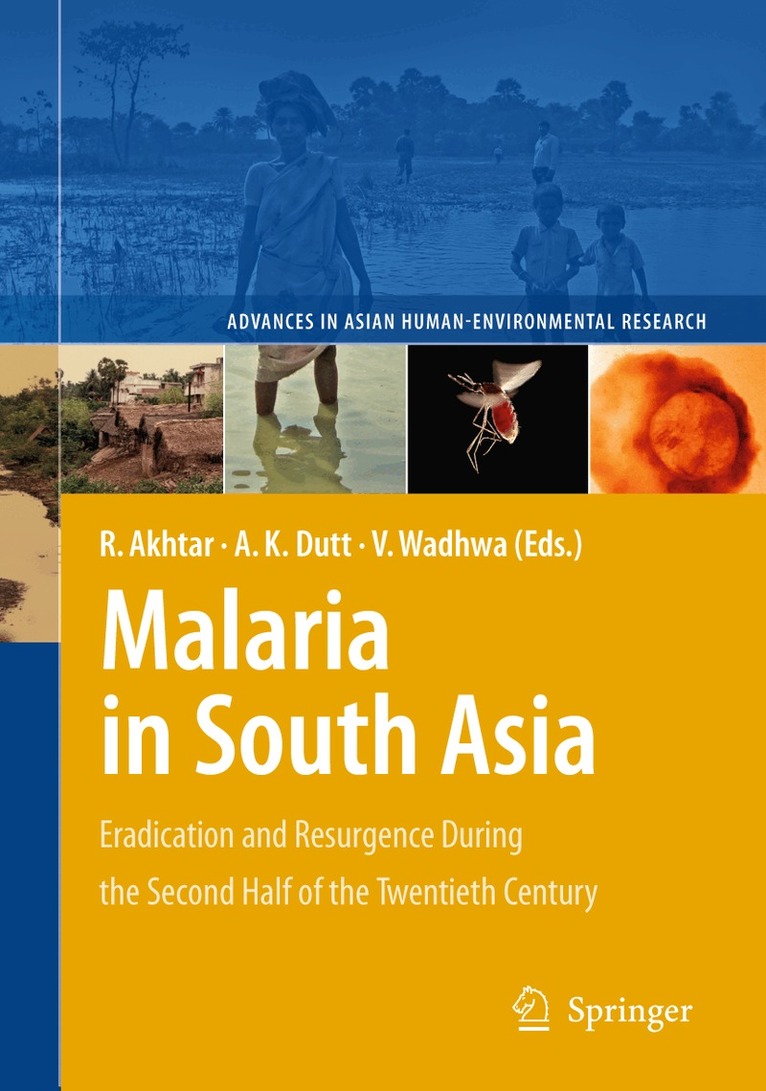
Malaria in South Asia
Eradication and Resurgence During the Second Half of the Twentieth Century
Häftad, Engelska, 2012
1 115 kr
Skickas inom 10-15 vardagar
Malaria is one of the most widespread and devastating infectious diseases in the world. More than half the world population residing in over 100 countries is at risk of infection from this vector-borne disease. An estimated 250–500 million mal- ial cases occur each year, resulting in nearly one million deaths, the overwhelming majority of which are children. Because of the magnitude of the associated fata- ties, development experts consider malaria a ‘silent tsunami,’ comparing its death toll to the Indian Ocean tsunami (IOT) that ravaged several countries of South and Southeast Asia on December 26, 2004. That tsunami killed some 300,000 people (including children) at once. Globally, malarial deaths account for about 9% of all childhood deaths each year. However, with malaria more than most fatal d- eases, mortality is a small fraction of morbidity. Malaria is a debilitating disease, particularly for the adult population. In addition to children, pregnant women and migrating populations are most v- nerable to malaria. Miscarriage, stillbirth, and low birth weight are common among pregnant women who are infected with this disease. Malaria manifests itself through recurrent fever and chills, with associated symptoms such as anemia and an enlarged spleen. If a person survives the disease, he or she will develop a certain degree of immunity for some years. But malaria victims are not only deprived of energy, they also face an increased risk of other diseases taking hold in the weakened body.