Vanessa Fonseca-Chávez - Böcker
Visar alla böcker från författaren Vanessa Fonseca-Chávez. Handla med fri frakt och snabb leverans.
6 produkter
6 produkter
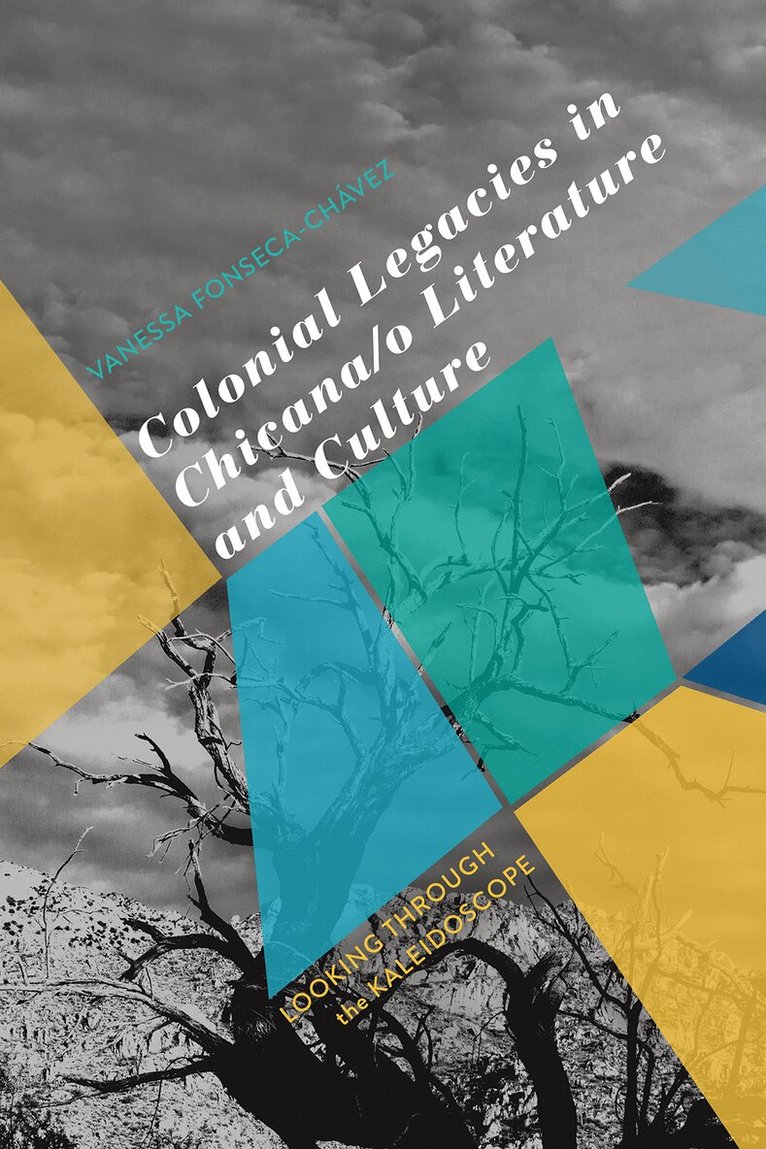
Colonial Legacies in Chicana/o Literature and Culture
Looking Through the Kaleidoscope
Häftad, Engelska, 2020
430 kr
Skickas inom 7-10 vardagar
Colonial Legacies in Chicana/o Literature and Culture exposes the ways in which colonialism is expressed in the literary and cultural production of the U.S. Southwest, a region that has experienced at least two distinct colonial periods since the sixteenth century.Vanessa Fonseca-ChÁvez traces how Spanish colonial texts reflect the motivation for colonial domination. She argues that layers of U.S. colonialism complicate how Chicana/o literary scholars think about Chicana/o literary and cultural production. She brings into view the experiences of Chicana/o communities that have long-standing ties to the U.S. Southwest but whose cultural heritage is tied through colonialism to multiple nations, including Spain, Mexico, and the United States.While the legacies of Chicana/o literature simultaneously uphold and challenge colonial constructs, the metaphor of the kaleidoscope makes visible the rupturing of these colonial fragments via political and social urgencies. This book challenges readers to consider the possibilities of shifting our perspectives to reflect on stories told and untold and to advocate for the inclusion of fragmented and peripheral pieces within the kaleidoscope for more complex understandings of individual and collective subjectivities.This book is intended for readers interested in how colonial legacies are performed in the U.S. Southwest, particularly in the context of New Mexico, Texas, and Arizona. Readers will relate to the book's personal narrative thread that provides a path to understanding fragmented identities.
415 kr
Skickas inom 7-10 vardagar
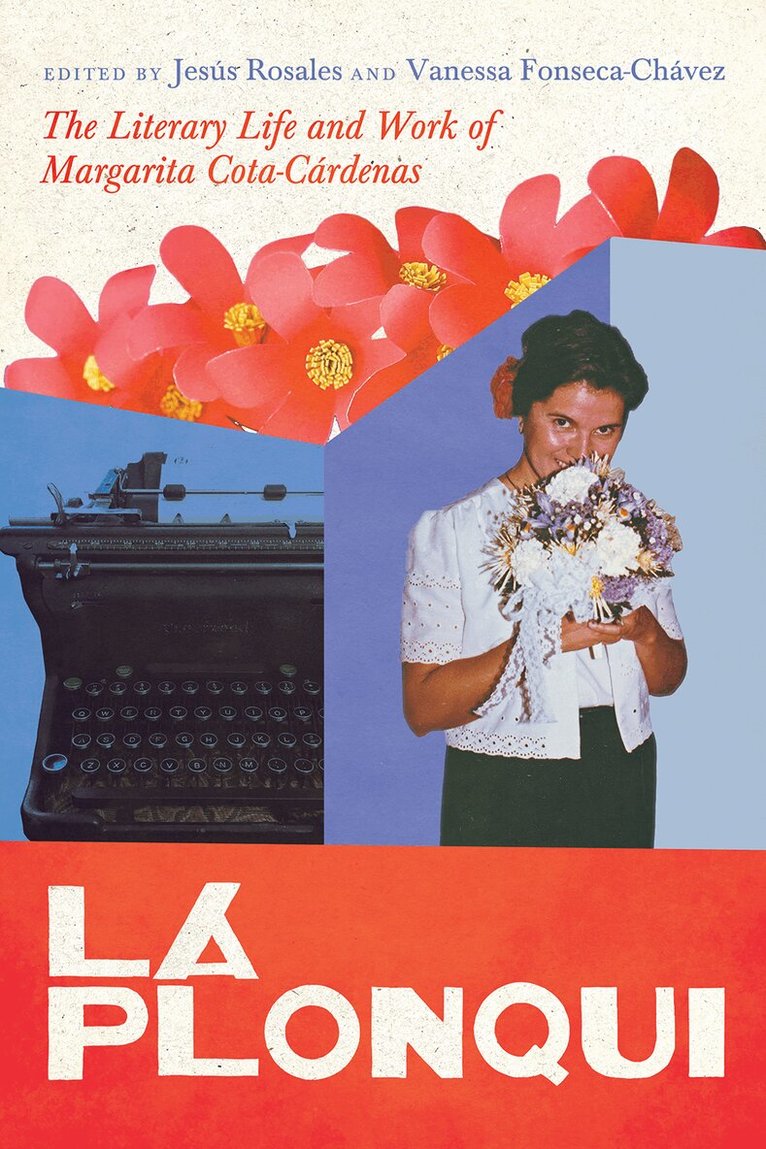
Celebrating more than forty years of creative writing by Chicana author Margarita Cota-CÁrdenas, this volume includes critical essays, reflections, interviews, and previously unpublished writing by the author herself to document the lifelong craft and legacy of a pioneering writer in the field.Nicknamed “La Plonky” by her family after a made-up childhood song, Cota-CÁrdenas grew up in California, taught almost exclusively in Arizona, and produced five major works (two novels and three books of poetry) that offer an expansive literary production spanning from the 1960s to today. Her perspectives on Chicana identity, the Chicanx movement, and the sociopolitical climate of Arizona and the larger U.S.-Mexico border region represent a significant contribution to the larger body of Chicanx literature. Additionally, the volume explores her perspectives on issues of gender, sexuality, and identity related to the Chicanx experience over time.Divided into three major parts, this collection begins with an introduction, followed by two testimonial essays written by the author herself and a longtime colleague, as well as an interview with the author. The second section contains nine essays by well-established literary critics that analyze Cota-CÁrdenas’s literary output within a Chicano Movement literary context and offer new readings of Cota-CÁrdenas’s fiction and poetry. The third part presents poetry and fiction from Cota-CÁrdenas, including an excerpt from a work in progress. As a whole, the collection aims to affirm Margarita Cota-CÁrdenas’s significant role in shaping the field of Chicana literature and emphasizes the importance of honoring a celebrated author who wrote a majority of her works in Spanish--one of the few Chicana writers to do so.ContributorsLaura Elena BelmonteMargarita Cota-CÁrdenasJosÉ R. FloresVanessa Fonseca-ChÁvezCarolyn GonzÁlezGabriella GutiÉrrez y MuhsManuel M. MartÍn-RodrÍguezKirsten F. NigroMargarita E. PignataroTey Diana RebolledoJesÚs RosalesCharles St-GeorgesJavier Villarreal
1 215 kr
Skickas inom 7-10 vardagar
Celebrating more than forty years of creative writing by Chicana author Margarita Cota-CÁrdenas, this volume includes critical essays, reflections, interviews, and previously unpublished writing by the author herself to document the lifelong craft and legacy of a pioneering writer in the field.Nicknamed “La Plonky” by her family after a made-up childhood song, Cota-CÁrdenas grew up in California, taught almost exclusively in Arizona, and produced five major works (two novels and three books of poetry) that offer an expansive literary production spanning from the 1960s to today. Her perspectives on Chicana identity, the Chicanx movement, and the sociopolitical climate of Arizona and the larger U.S.-Mexico border region represent a significant contribution to the larger body of Chicanx literature. Additionally, the volume explores her perspectives on issues of gender, sexuality, and identity related to the Chicanx experience over time.Divided into three major parts, this collection begins with an introduction, followed by two testimonial essays written by the author herself and a longtime colleague, as well as an interview with the author. The second section contains nine essays by well-established literary critics that analyze Cota-CÁrdenas’s literary output within a Chicano Movement literary context and offer new readings of Cota-CÁrdenas’s fiction and poetry. The third part presents poetry and fiction from Cota-CÁrdenas, including an excerpt from a work in progress. As a whole, the collection aims to affirm Margarita Cota-CÁrdenas’s significant role in shaping the field of Chicana literature and emphasizes the importance of honoring a celebrated author who wrote a majority of her works in Spanish--one of the few Chicana writers to do so.ContributorsLaura Elena BelmonteMargarita Cota-CÁrdenasJosÉ R. FloresVanessa Fonseca-ChÁvezCarolyn GonzÁlezGabriella GutiÉrrez y MuhsManuel M. MartÍn-RodrÍguezKirsten F. NigroMargarita E. PignataroTey Diana RebolledoJesÚs RosalesCharles St-GeorgesJavier Villarreal
361 kr
Skickas inom 7-10 vardagar
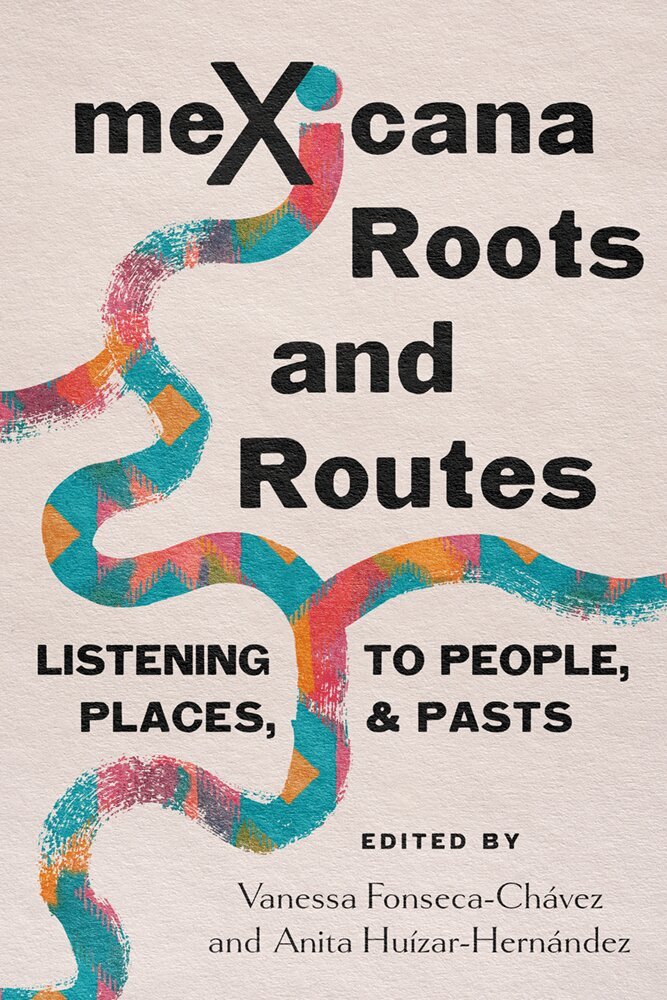
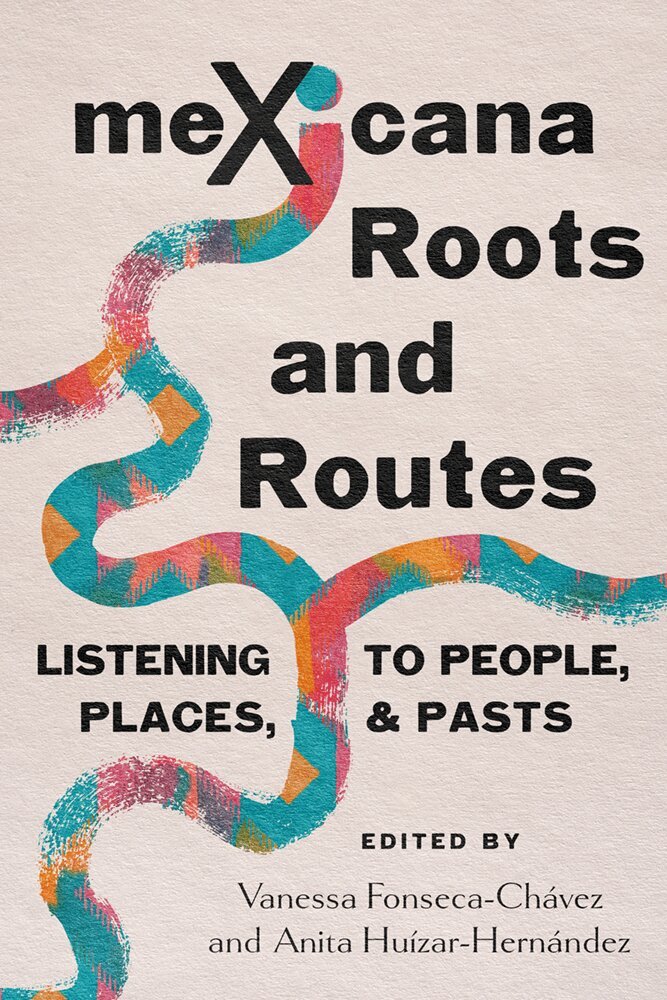
Community voices are often an underrepresented aspect of our historical and cultural knowledge of the U.S. Southwest. In this collection, established and emerging scholars draw upon their rootedness in the U.S. Southwest and U.S.-Mexico borderlands. The meXicana contributors use personal and scholarly inquiry to discuss what it means to cultivate spaces of belonging, navigate language policies, and explore and excavate silences in various spaces, among other important themes. From the recruitment of Latinas for the U.S. Benito Juá rez Squadron in World War II, to the early twentieth-century development of bilingual education in Arizona, to new and insightful analyses of Bracero Program participants and their families, the book details little-known oral histories and archival material to present a rich account of lives along the border with emphasis on women and the working class. As the inaugural publication of the Arizona Crossroads series, readers will find Arizona featured as a central node of borderlands roots and routes. Each section of the book intentionally centers Arizona within broader comparative and cross-state dialogues, alongside chapters that reflect regional concerns in other southwestern states, including Texas, California, Colorado, and New Mexico. Throughout, this volume highlights the ways in which personal experience, community building, and scholarly perspectives can provide a powerful space for community voices. Contributors Vanessa Fonseca-Chá vez Lillian Gorman Gloria Holguí n Cuá draz Anita Huí zar-Herná ndez Christine Marin Valerie A. Martí nez Alina R. Mé ndez Karen R. Roybal Yvette J. Saavedra Liliana Toledo-Guzmá n Andrea Tovar
1 057 kr
Skickas inom 7-10 vardagar
Community voices are often an underrepresented aspect of our historical and cultural knowledge of the U.S. Southwest. In this collection, established and emerging scholars draw upon their rootedness in the U.S. Southwest and U.S.-Mexico borderlands. The meXicana contributors use personal and scholarly inquiry to discuss what it means to cultivate spaces of belonging, navigate language policies, and explore and excavate silences in various spaces, among other important themes. From the recruitment of Latinas for the U.S. Benito Juá rez Squadron in World War II, to the early twentieth-century development of bilingual education in Arizona, to new and insightful analyses of Bracero Program participants and their families, the book details little-known oral histories and archival material to present a rich account of lives along the border with emphasis on women and the working class. As the inaugural publication of the Arizona Crossroads series, readers will find Arizona featured as a central node of borderlands roots and routes. Each section of the book intentionally centers Arizona within broader comparative and cross-state dialogues, alongside chapters that reflect regional concerns in other southwestern states, including Texas, California, Colorado, and New Mexico. Throughout, this volume highlights the ways in which personal experience, community building, and scholarly perspectives can provide a powerful space for community voices. Contributors Vanessa Fonseca-Chávez Lillian Gorman Gloria Holguí n Cuádraz Anita Huí zar-Hernández Christine Marin Valerie A. Martínez Alina R. Méndez Karen R. Roybal Yvette J. Saavedra Liliana Toledo-Guzmán Andrea Tovar
583 kr
Skickas
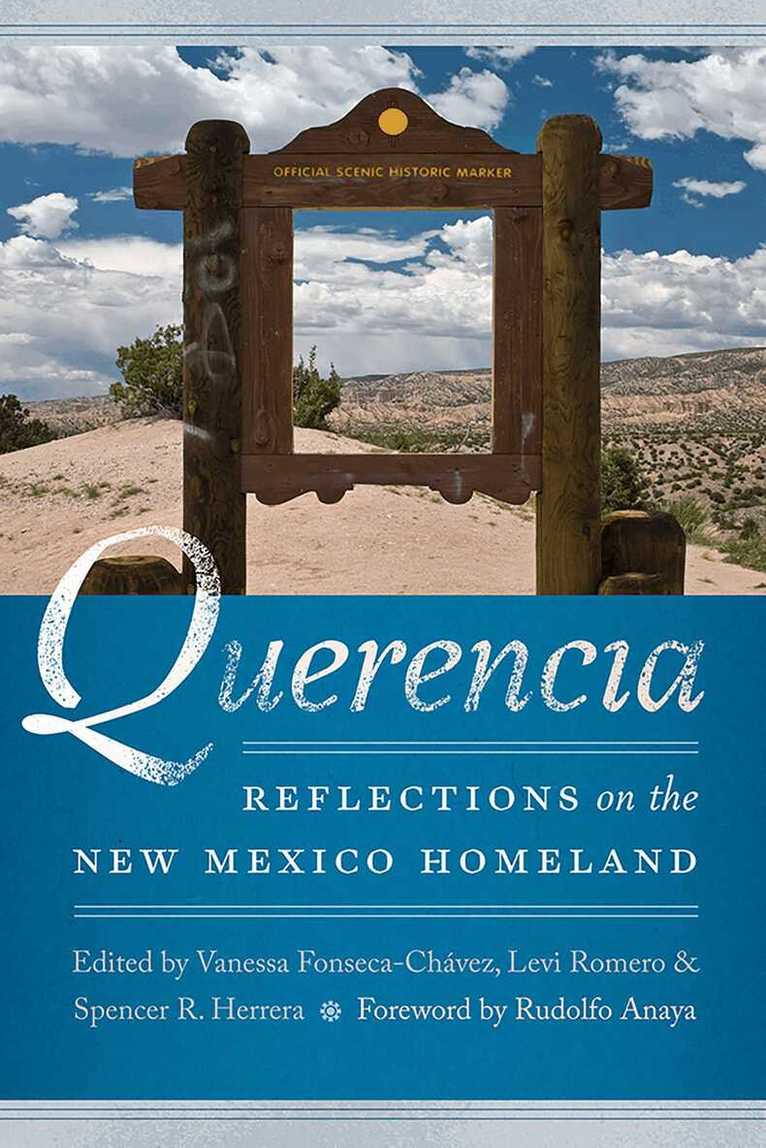
New Mexico cultural envoy Juan Estevan Arellano, to whom this work is dedicated, writes that querencia "is that which gives us a sense of place, that which anchors us to the land, that which makes us a unique people, for it implies a deeply rooted knowledge of place, and for that reason we respect it as our home."This sentiment is echoed in the foreword by Rudolfo Anaya, in which he writes that "querencia is love of home, love of place." This collection of both deeply personal reflections and carefully researched studies explores the New Mexico homeland through the experiences and perspectives of Chicanx and indigenous/Genízaro writers and scholars from across the state. The importance of querencia for each contributor is apparent in their work and their ongoing studies, which have roots in the culture, history, literature, and popular media of New Mexico. Be inspired and enlightened by these essays and discover the history and belonging that is querencia.