Vanessa Grossman - Böcker
Visar alla böcker från författaren Vanessa Grossman. Handla med fri frakt och snabb leverans.
3 produkter
3 produkter
606 kr
Skickas inom 7-10 vardagar
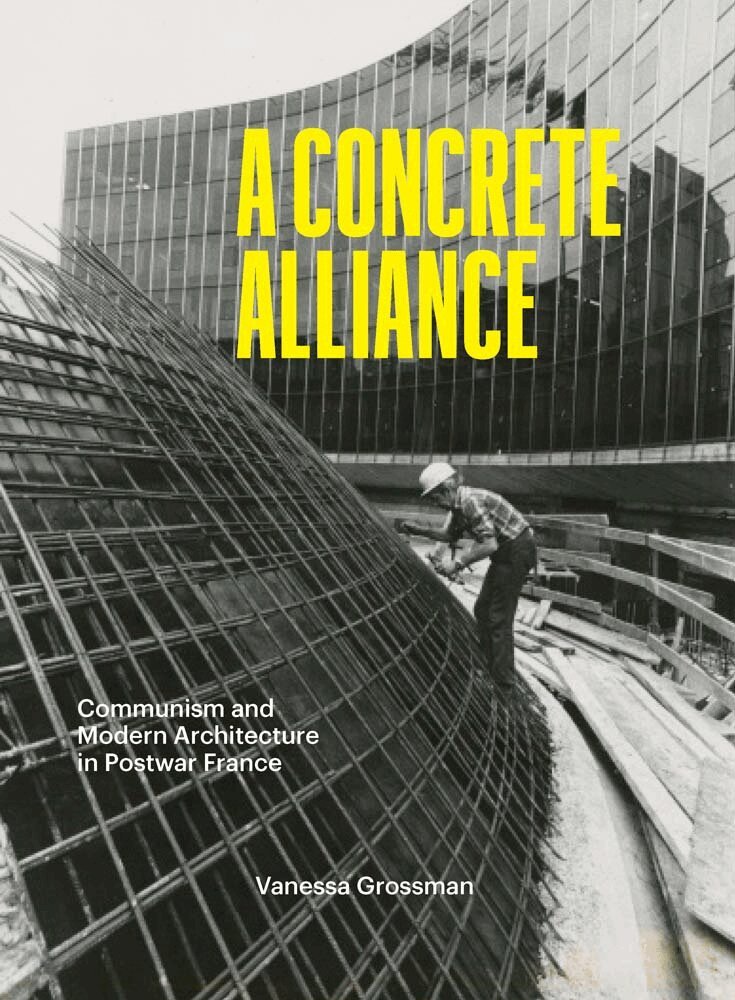
The compelling story of the significant relationship between communism and modern architecture in postwar France The massive reshaping of French cities that took place between 1958 and 1981 is commonly regarded as a unique episode in which modernist ideals were tested on an unprecedented scale. Yet the history of postwar French modernism has never fully accounted for the influence of one of architecture’s most important institutional patrons, the French Communist Party (PCF). Drawing political theory and architectural history into conversation, Vanessa Grossman probes the shifting but enduring alliance between modern architecture and the PCF in the aftermath of the political crisis of 1958, prompted by the Algerian War of Independence and Charles de Gaulle’s rise to power. Focusing on key episodes, Grossman discusses the work of Renée Gailhoustet (a rare female architect of her generation), Jean Renaudie, and members of the Atelier d’urbanisme et d’architecture (AUA), in collaboration with architectural elders such as Jean Prouvé and Oscar Niemeyer, who self-exiled to France, and in relation to contemporary Marxist thinkers such as philosophers Louis Althusser and Henri Lefebvre. Grossman exposes how communist politics and architectural modernism were mutually reinforcing ideologies that circulated in France across national and international networks of architects, urban planners, civil servants, intellectuals, activists, and politicians. Offering a new understanding of the postwar realization that architecture, particularly housing, could be employed as a political tool, this highly original book reveals the meaningful dialogue between French communism and architectural modernism.
514 kr
Skickas inom 7-10 vardagar
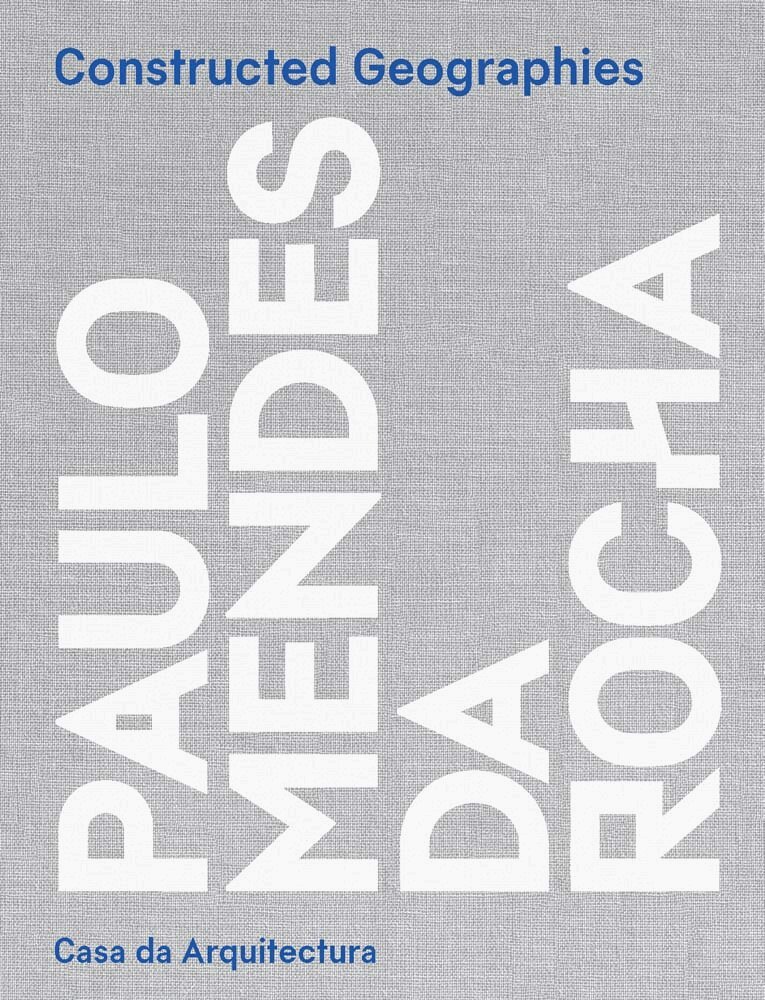
The first major retrospective to emerge from the archive of Paulo Mendes da Rocha, shining important new light on his work One of the most acclaimed architects working in Brazil since the mid-twentieth century, Paulo Mendes da Rocha (1928–2021) began building in the 1950s, championing an approach often associated with “Brutalism” but expanding well beyond it. He is widely recognized for having transformed the urban imprint of São Paulo. His best-known buildings include the Brazilian Museum of Sculpture, remarkable for its engagement with the site and its daring structure; the renovation of the Pinacoteca do Estado, with audacious metallic inserts; and outstanding private houses, starting with his own. In 2006, he became the second Brazilian architect, after Oscar Niemeyer, to win the Pritzker Prize. This retrospective catalogue is the first major publication on Mendes da Rocha since the establishment of his archive at the Casa da Arquitectura in 2021. A team of international scholars provides a comprehensive view of the architect’s trajectory and the collective dimension of his work, along with thematic essays. Mendes da Rocha’s identity as a South American architect interested in the geographic relation between nature and culture is underlined. The book’s contributors explore his concern with the social and anthropogenic impact of the continent’s development, as well as its colonial past and postcolonial future. The volume centers around twelve of his most important buildings and reprints two important essays on Mendes da Rocha’s work. This will be an essential book on this significant figure of global modernism and will point the way for future scholarship on Mendes da Rocha and the architecture of contemporary Brazil. Distributed for Casa da Arquitectura–Portuguese Centre for Architecture Exhibition Schedule: Casa da Arquitectura, Porto (May 26, 2023–February 25, 2024)
308 kr
Skickas inom 3-6 vardagar