Vasja Badalič – författare
874 kr
Skickas inom 10-15 vardagar
770 kr
Läs direkt efter köp
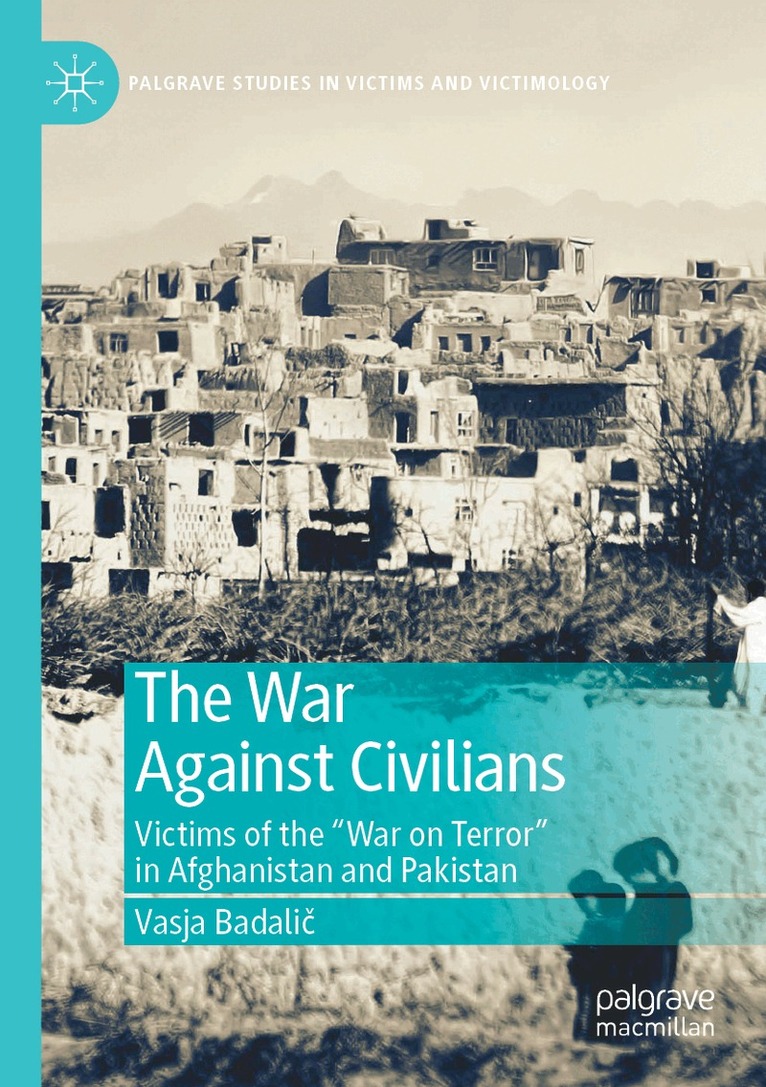
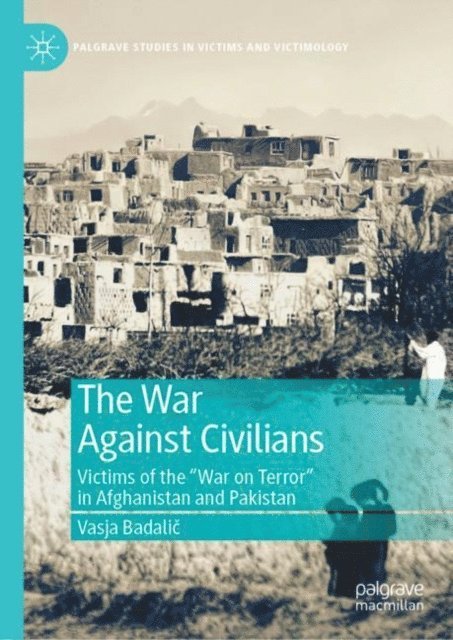
This book provides a critical analysis of how the “war on terror” affected the civilian population in Afghanistan and Pakistan. This “forgotten war,” which started in 2001 with the US-led invasion of Afghanistan, has seen more than 212,000 people killed in war-related incidents. Whilst most of the news media shifted their attention to other conflict zones, this war rages on. Badalič has amassed a vast amount of data on the civilian victims of war from both sides of the Durand line, the border between Afghanistan and Pakistan. He conducted interviews in Peshawar, Quetta, Islamabad, Kabul, Jalalabad, and many other cities and villages from 2008 to 2017. His data is mostly drawn from those extensive conversations held with civilian victims of war, Afghan and Pakistani officials, human-rights activists and members of the insurgency.
The book is divided into three parts. The first examines the impact the US-led coalition, Afghan security forces and paramilitary groups had on civilians, with methods of combat such as drone strikes and kill-or-capture missions. The second part focuses on civilian victims of abuses of power by Pakistani security forces, including arbitrary detentions and forced disappearances. In the final part, Badalič explores the impact of unlawful practices used by the armed insurgency – the Afghan Taliban. Overall, the book seeks to tell the story of the civilian victims of the “War on Terror".
625 kr
Skickas inom 10-15 vardagar
1 633 kr
Skickas inom 10-15 vardagar
1 995 kr
Läs direkt efter köp
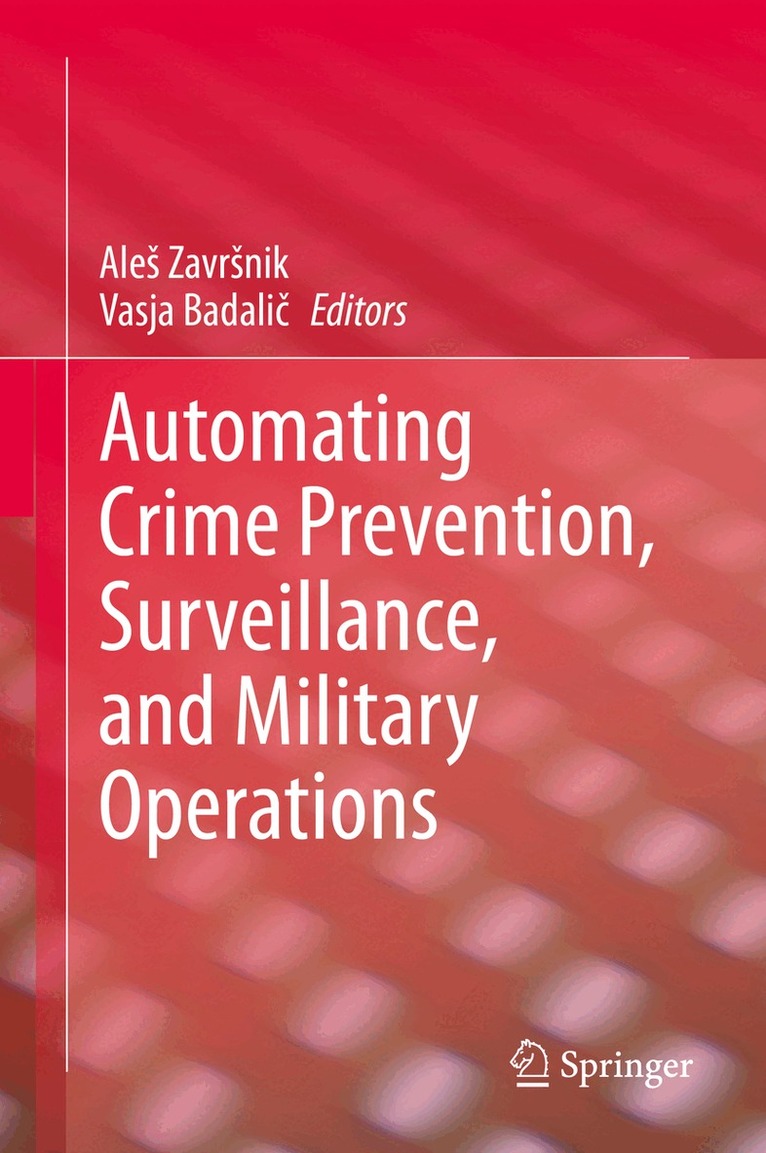
This interdisciplinary volume critically explores how the ever-increasing use of automated systems is changing policing, criminal justice systems, and military operations at the national and international level. The book examines the ways in which automated systems are beneficial to society, while addressing the risks they represent for human rights.
This book starts with a historical overview of how different types of knowledge have transformed crime control and the security domain, comparing those epistemological shifts with the current shift caused by knowledge produced with high-tech information technology tools such as big data analytics, machine learning, and artificial intelligence. The first part explores the use of automated systems, such as predictive policing and platform policing, in law enforcement. The second part analyzes the use of automated systems, such as algorithms used in sentencing and parole decisions, in courts of law. The third part examines the useand misuse of automated systems for surveillance and social control. The fourth part discusses the use of lethal (semi)autonomous weapons systems in armed conflicts.
An essential read for researchers, politicians, and advocates interested in the use and potential misuse of automated systems in crime control, this diverse volume draws expertise from such fields as criminology, law, sociology, philosophy, and anthropology.1 633 kr
Skickas inom 10-15 vardagar
1 199 kr
Skickas inom 10-15 vardagar
1 540 kr
Läs direkt efter köp
This book provides a critical and comprehensive analysis of the reconceptualization of preventive warfare in the 21st century. It discusses how the US launched and fought some wars to prevent future vague threats and how that practice has fundamentally undermined the legal system and the main principles of the use of force in ways that not only further US dominance but shield powerful actors from accountability. The US redefined key legal concepts to set up a new legal framework for preventive warfare and, consequently, introduced new practices for carrying out preventive military operations.
Drawing on a collection of case studies, on the changes in the jus ad bellum and jus in bello, focusing mainly on Afghanistan and Iraq and beyond, the book shows how violations of the law of war were persistently conducted in the 21st century by supposedly democratic countries that claimed to be upholding the law. It explores three types of preventive warfare – that is, preventive national self-defense, preventive on-the-spot reactions, and preventive “security” detention – to show how they blurred the line between civilians and legitimate military targets, and thus increased the risk of causing harm to civilians. The book speaks to students, scholars, and practitioners from the fields of criminology, law, international relations, political science, critical security studies, and critical military studies.