VGR Chandran Govindaraju – författare
Visar alla böcker från författaren VGR Chandran Govindaraju. Handla med fri frakt och snabb leverans.
2 produkter
2 produkter
2 116 kr
Skickas inom 5-8 vardagar
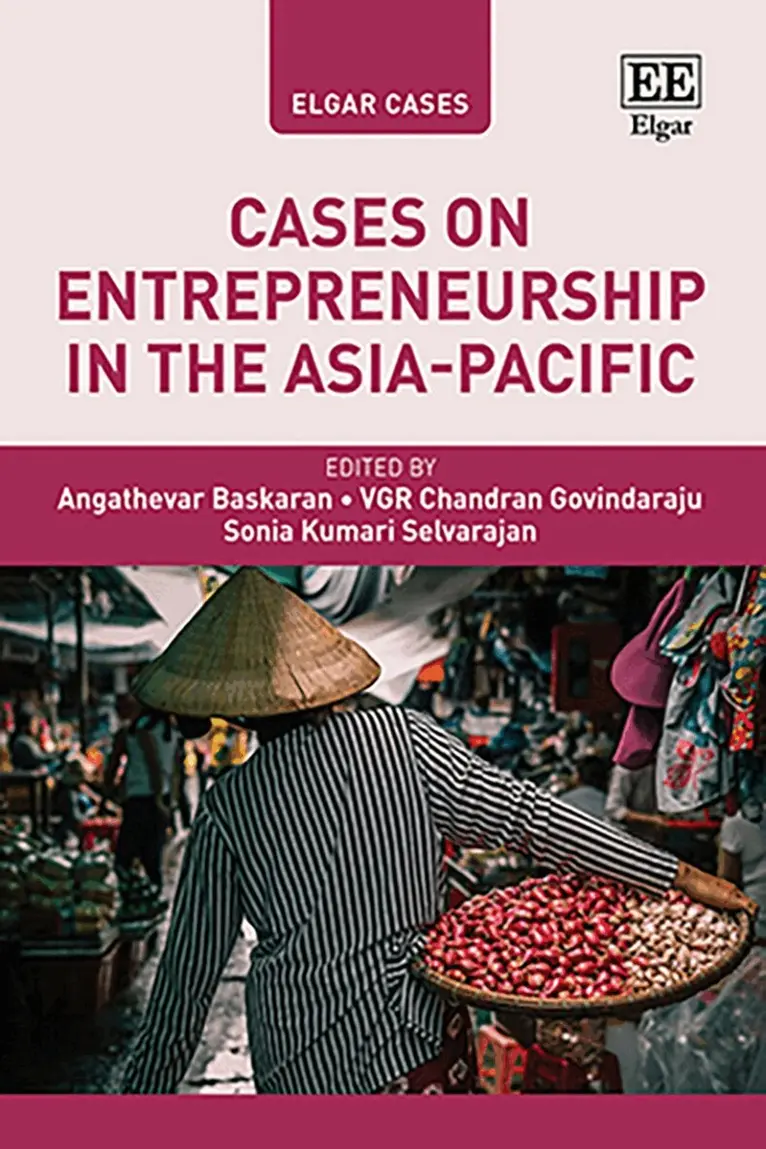
This casebook explores the dynamic world of entrepreneurship in the Asia-Pacific through diverse, real-world case studies. Drawing on examples ranging from a tech incubator to a family-run export business, contributors illustrate how entrepreneurs navigate local customs, scarce resources, evolving regulations and rapid technological shifts. By outlining both successful pivots and hard-won lessons, this book provides crucial insights into how entrepreneurial ventures thrive in one of the world’s most vibrant economic regions.Key Features:Explores Asia-centric models of entrepreneurshipPresents case studies that span a range of countries, sectors and socio-economic contextsShowcases the impact of individual passion, community networks and institutional support on creating unique business modelsLinks personal entrepreneurial journeys to broader institutional, cultural and market dynamics, highlighting practical strategies for overcoming common hurdles including market entry and funding gapsWith structured teaching notes and accessible case studies that demonstrate entrepreneurial concepts in action, this book is an essential resource for scholars, students and educators in the fields of entrepreneurship, innovation, business and Asia-Pacific studies. Policymakers and practitioners in development agencies will also benefit from the book’s insights into structural enablers and barriers across different economies.
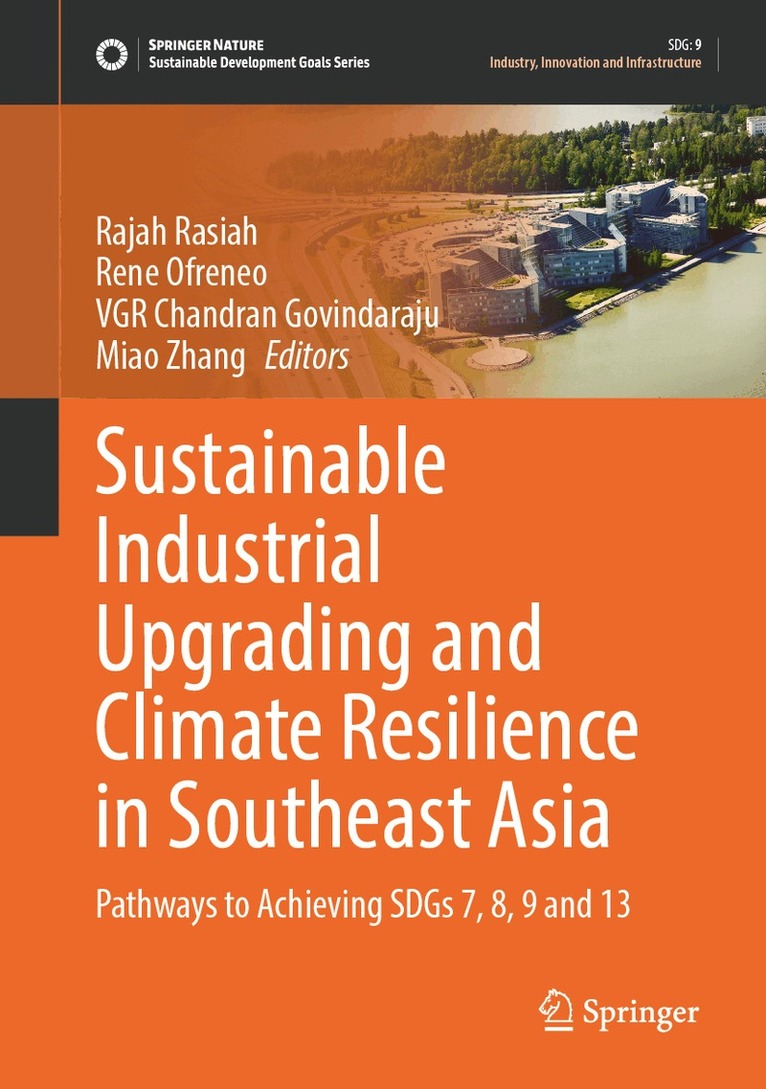
Sustainable Industrial Upgrading and Climate Resilience in Southeast Asia
Pathways to Achieving SDGs 7, 8, 9 and 13
Inbunden, Engelska, 2026
1 813 kr
Kommande
This book offers a critical examination of industrial policy, economic transformation, and sustainable development across Southeast Asia. It explores the evolution of industrial upgrading strategies in the region, distinguishing between passive and active industrial policies, and assessing their alignment with the UN Sustainable Development Goals (SDGs), particularly SDG 7 (clean and affordable energy), SDG 8 (Decent Work and Economic Growth), SDG 9 (Industry, Innovation, and Infrastructure), and SDG 13 (Climate Action). Through country-specific analyses, the book examines the integration of digitalization, climate resilience, and smart technologies into industrial and agricultural sectors. It highlights the uneven progress among ASEAN economies—from Singapore’s high-value industrial structure to Timor-Leste’s early-stage development—while addressing challenges in science, technology, and innovation (STI) infrastructure. With a focus on policy, innovation, and environmental and social governance, it is an essential read for researchers, policymakers, and development practitioners seeking to understand Southeast Asia’s industrial transformation and its implications for sustainable development.