Victoria Walsh – författare
Visar alla böcker från författaren Victoria Walsh. Handla med fri frakt och snabb leverans.
6 produkter
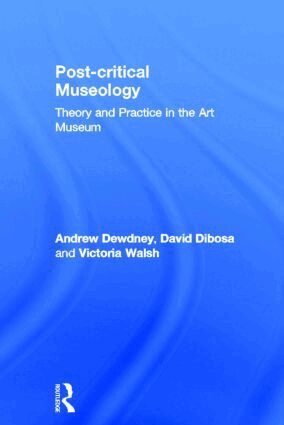
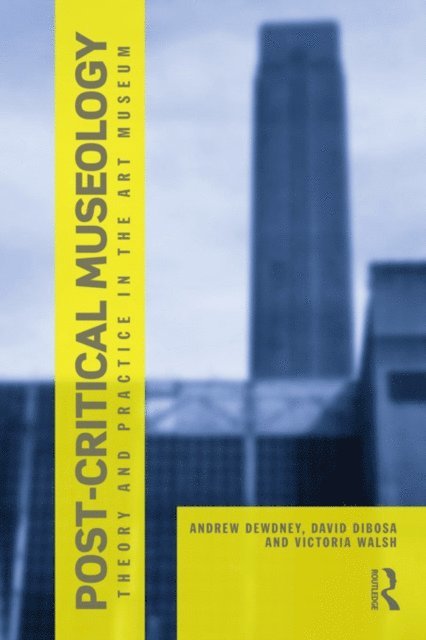
Post Critical Museology
Theory and Practice in the Art Museum
Av Andrew Dewdney, David Dibosa m. fl.
Inbunden, 2012
2588 kr
Lägg i varukorg
Post-Critical Museology considers what the role of the public and the experience of audiences means to the everyday work of the art museum. It does this from the perspectives of the art museum itself as well as from the visitors it seeks. Through the analysis of material gathered from a major …
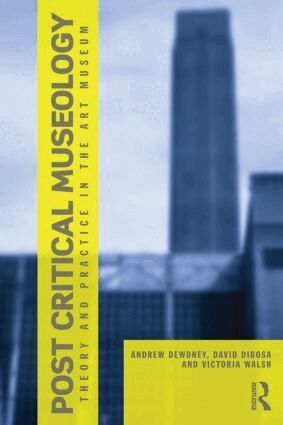
Post Critical Museology
Theory and Practice in the Art Museum
Av Andrew Dewdney, David Dibosa m. fl.
Häftad, 2012
757 kr
Lägg i varukorg
Post-Critical Museology considers what the role of the public and the experience of audiences means to the everyday work of the art museum. It does this from the perspectives of the art museum itself as well as from the visitors it seeks. Through the analysis of material gathered from a major …
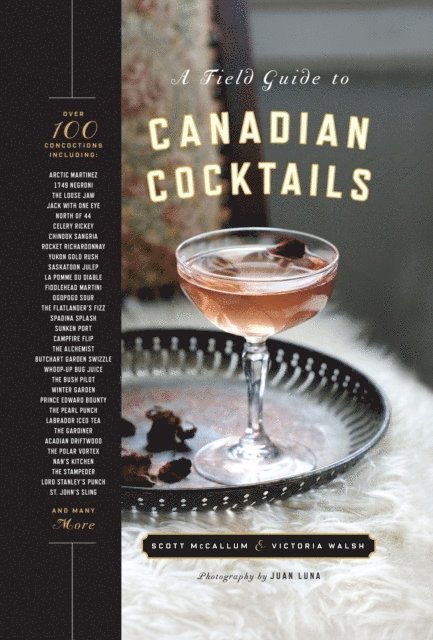
Field Guide to Canadian Cocktails
Av Scott McCallum, Victoria Walsh
E-bok, 2015
319 kr
Lägg i varukorg
Celebrate Canadian cocktail history and artistry with A Field Guide to Canadian Cocktails , a collection of over 100 recipes inspired by a bounty of homegrown ingredients and spirits that will appeal to armchair bartenders and professionals alike. From the Yukon’s Sour Toe Shot to a Prairie Caesar …
Story of Rena Stewart
Bletchley Park Girl, Translator of Hitler's Will, and BBC Pioneer
Inbunden, 2025
249 kr
Lägg i varukorg
Soldier, journalist and centenarian: a triple badge of honour, especially for a woman. Introducing Rena Stewart (1923–2023), a remarkable, 100-year-old Bletchley Park Girl who translated Hitler’s will and blazed a trail for women at the BBC. The Story of Rena Stewart narrates Rena’s fascinating …
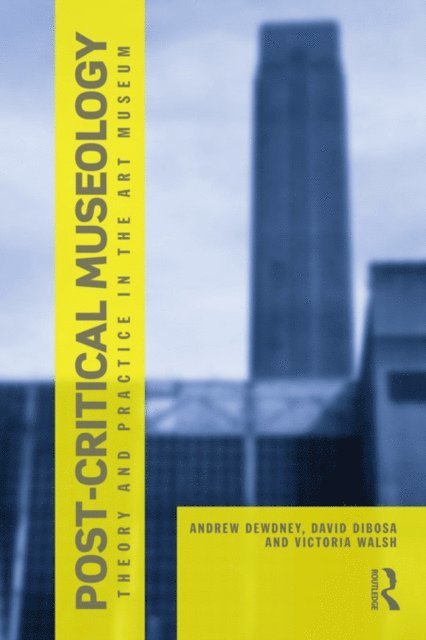
Post Critical Museology
Theory and Practice in the Art Museum
Av Victoria Walsh, David Dibosa m. fl.
E-bok, 2013
892 kr
Lägg i varukorg
Post-Critical Museology considers what the role of the public and the experience of audiences means to the everyday work of the art museum. It does this from the perspectives of the art museum itself as well as from the visitors it seeks. Through the analysis of material gathered from a major …
Post Critical Museology
Theory and Practice in the Art Museum
Av Victoria Walsh, David Dibosa m. fl.
E-bok, 2013
892 kr
Lägg i varukorg
Post-Critical Museology considers what the role of the public and the experience of audiences means to the everyday work of the art museum. It does this from the perspectives of the art museum itself as well as from the visitors it seeks. Through the analysis of material gathered from a major …