VID Ingelevics - Böcker
Visar alla böcker från författaren VID Ingelevics. Handla med fri frakt och snabb leverans.
2 produkter
2 produkter
383 kr
Kommande
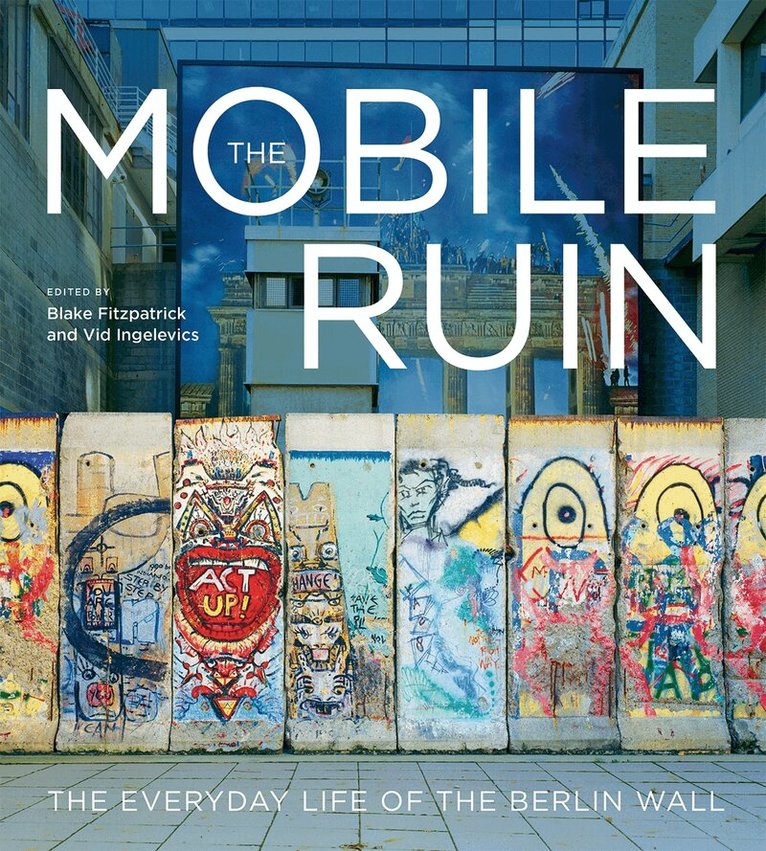
The Berlin Wall divided the city for almost three decades before it fell on 9 November 1989. But this symbol of the Cold War has been travelling longer than it stood still. An object that once seemed immovable now wanders around the world in every format from two-tonne slabs to pocket-sized souvenirs.This collection envisions the atomized and displaced remnants of the Berlin Wall as a mobile ruin with an evolving history. Blake Fitzpatrick and Vid Ingelevics’s photographic investigation of the geographical dispersement of its fragments is a form of witness to the history of the wall after it fell. Featuring over one hundred photographs, intercut with powerful contextual writings by artists, scholars, and curators (including people involved in souvenir production and sale), this unique work raises compelling questions about the shifting meaning of Berlin Wall artifacts – essentially banal pieces of concrete – in light of their physical relocation and shifts in geopolitical power.Contributing to our understanding of material history, public commemoration, border politics, and documentary studies, The Mobile Ruin explores the ongoing resonance of the wall and the new life it takes on in a series of unexpected international locations.
How to Build a River
Toronto's Port Lands and the Journey to Climate Resiliency
Inbunden, Engelska, 2026
580 kr
Kommande
How to Build a River, through photographs and incisive, contextualizing essays, ventures behind the construction hoardings of the Port Lands Flood Protection project to reveal the transformation of hundreds of acres of polluted brownfields into a new public park, a new river and a site for future housing.Awarded to photographers Vid Ingelevics and Ryan Walker in 2019, the commission resulted in an illuminating series of photographs that explore key themes and historical contexts of this legacy-building endeavour. Central to this project was the construction of a new wider, naturalized mouth for the Don River as well as a new public park on this former brownfield site. Additionally, the photographs explore the necessary demolition of many existing industrial buildings, the involvement of First Nations, the excavation of the new river valley and the complex bio-engineering techniques involved, archeological discoveries during the excavation, the re-naturalization of the site and, most recently, the opening of a significant section of Biidaasige Park to the public in July 2025. The photographs and accompanying essays invite readers to look closely at how cities can be reimagined in response to a changing climate. They reveal the social, historical, and environmental stories behind this landmark transformation of Toronto’s waterfront and contemplate the importance of documenting publicly funded projects of this scale.