Vinod Kothari – författare
Visar alla böcker från författaren Vinod Kothari. Handla med fri frakt och snabb leverans.
7 produkter
Introduction to Securitization
Av Frank J. Fabozzi, Vinod Kothari
Inbunden, 2008
686 kr
Lägg i varukorg
Introduction to Securitization outlines the basics of securitization, addressing applications for this technology to mortgages, collateralized debt obligations, future flows, credit cards, and auto loans. The authors present a comprehensive overview of the topic based on the experience they have …
Introduction to Securitization
Av Vinod Kothari, Frank J. Fabozzi
E-bok, 2008
856 kr
Lägg i varukorg
Introduction to Securitization outlines the basics of securitization, addressing applications for this technology to mortgages, collateralized debt obligations, future flows, credit cards, and auto loans. The authors present a comprehensive overview of the topic based on the experience they have …
Introduction to Securitization
Av Vinod Kothari, Frank J. Fabozzi
E-bok, 2008
856 kr
Lägg i varukorg
Introduction to Securitization outlines the basics of securitization, addressing applications for this technology to mortgages, collateralized debt obligations, future flows, credit cards, and auto loans. The authors present a comprehensive overview of the topic based on the experience they have …
Securitization
The Financial Instrument of the Future
Inbunden, 2006
1924 kr
Lägg i varukorg
Get a thorough explanation of the nuances of securitization in the global business market with this comprehensive resource. Synthetic securitization and structured products are revolutionizing the financial industry and changing the way banks, institutional investors, and securities traders do …
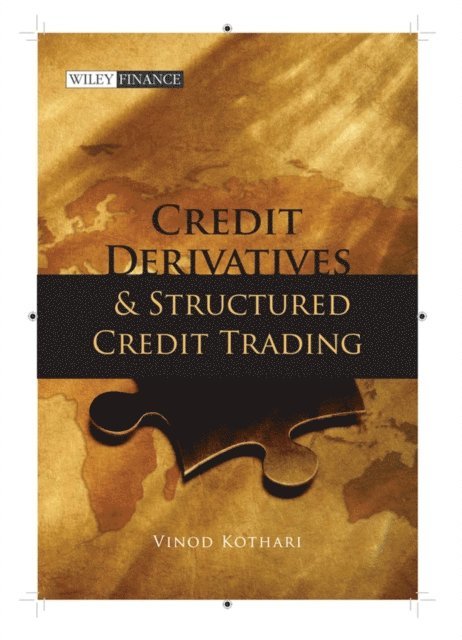
Credit Derivatives and Structured Credit Trading
Inbunden, 2008
1578 kr
Lägg i varukorg
Credit derivatives as a financial tool has been growing exponentially from almost nothing more than seven years ago to approximately US$5 trillion deals completed by end of 2005. This indicates the growing importance of credit derivatives in the financial sector and how widely it is being used …
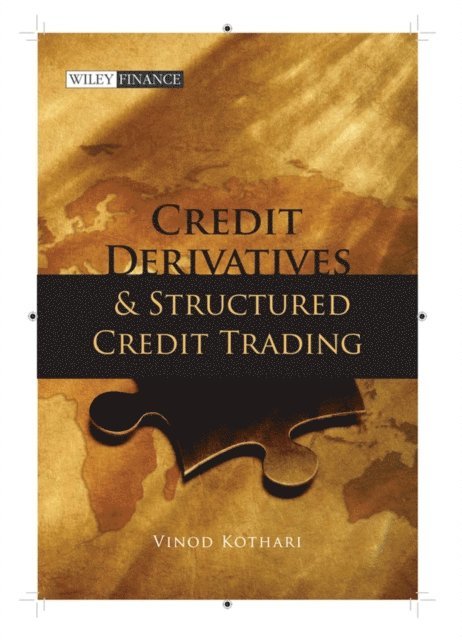
Credit Derivatives and Structured Credit Trading
E-bok, 2011
1790 kr
Lägg i varukorg
Credit derivatives as a financial tool has been growing exponentially from almost nothing more than seven years ago to approximately US$5 trillion deals completed by end of 2005. This indicates the growing importance of credit derivatives in the financial sector and how widely it is being used …
Credit Derivatives and Structured Credit Trading
E-bok, 2011
1790 kr
Lägg i varukorg
Credit derivatives as a financial tool has been growing exponentially from almost nothing more than seven years ago to approximately US$5 trillion deals completed by end of 2005. This indicates the growing importance of credit derivatives in the financial sector and how widely it is being used …