Violetta Hionidou – författare
Visar alla böcker från författaren Violetta Hionidou. Handla med fri frakt och snabb leverans.
8 produkter
8 produkter
Del 42 - Cambridge Studies in Population, Economy and Society in Past Time
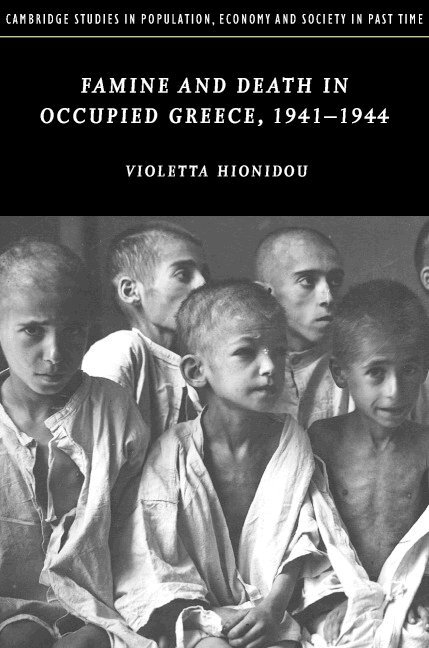
Famine and Death in Occupied Greece, 1941-1944
Inbunden, Engelska, 2006
1 277 kr
Skickas inom 7-10 vardagar
Published in 2006, this is a pioneering study of the impact of the famine that occurred in Greece during its occupation by German, Italian and Bulgarian forces in 1941 and 1942. Violetta Hionidou examines the courses and politics of this food crisis, focussing on the demography of the famine and the effectiveness of the relief operations. Her interdisciplinary approach combines demographic, historical and anthropological methodologies to offer a comprehensive account of the famine. This book is the first to explore the International Red Cross Committee archives which offer new insights into the politics and practice of the relief operations. Dr Hionidou argues that food was used as a propaganda instrument by almost all of those involved including the British and Greek governments as well as the occupying forces. This important study makes a major contribution to current debates about mortality and its causes during famines.
Inbunden, Engelska, 2026
2 506 kr
Skickas inom 10-15 vardagar
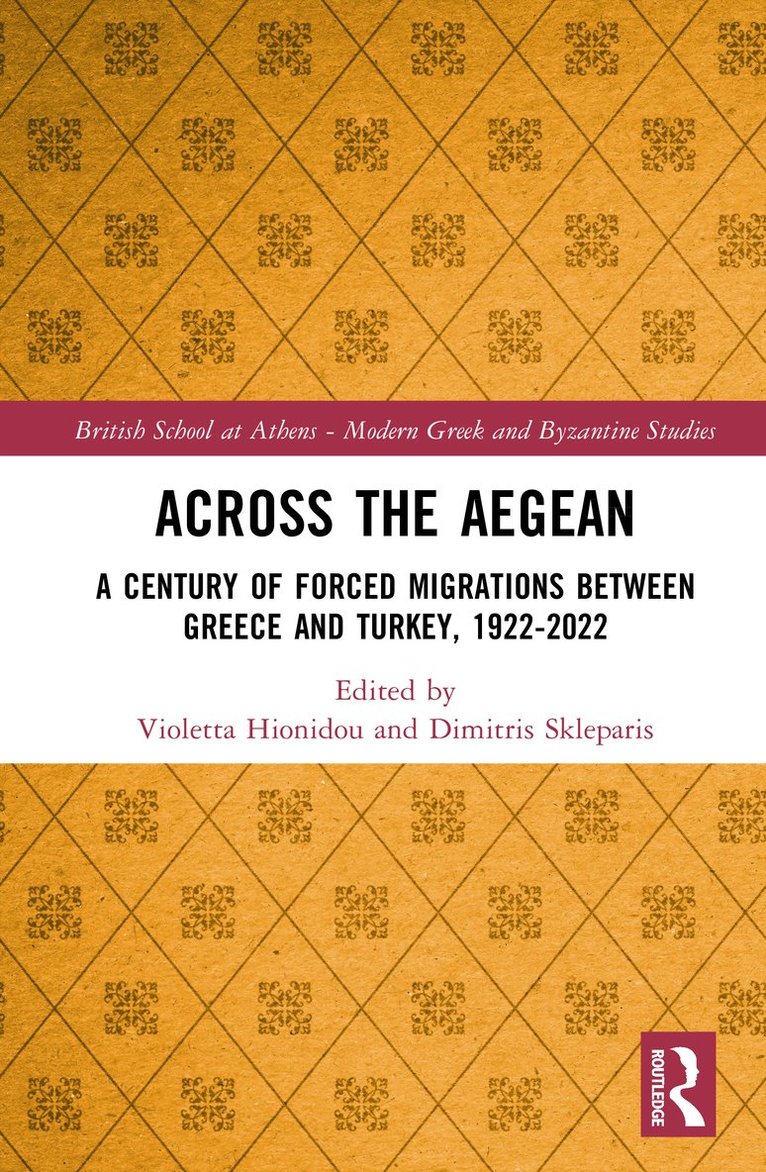
For a century, the Aegean has stood as both a border and a bridge. The 1923 population exchange between Greece and Turkey – the forced relocation of over a million Christians to Greece and some 400,000 Muslims to Turkey – transformed both states and societies. Refugee movements from occupied Greece to neutral Turkey during the Second World War, and more recently the crossings from Turkey to Greece of Syrians and others during ‘Europe’s refugee crisis’, highlight the Aegean as a recurring site of forced migration. Today, the region remains defined by militarised borders and the criminalisation of humanitarian actors.This book investigates the major forced population movements across the Aegean in the last 100 years. It uses the 1922-1923 forced population exchange as an intellectual point of departure to investigate the multiple refugee movements across the Aegean and their interconnections. It addresses the forced displacement of not only Turks and Greeks but also Jewish people and Syrians while also investigating the remembering of these episodes, within and beyond Turkey and Greece. Bringing together leading experts on Greece and Turkey, the volume advances a dialogue between national and international historiographies and offers fresh perspectives on the enduring legacies of displacement.Across the Aegean is essential reading for scholars and students of modern Greek and Turkish studies, cultural heritage, refugee/forced migration, and memory studies. Its insights also resonate with policy practitioners, journalists, and wider audiences seeking to understand how histories of displacement continue to shape the politics and societies of the Aegean today.
E-bok
PDF, Engelska, 2026797 kr
Läs direkt efter köp
For a century, the Aegean has stood as both a border and a bridge. The 1923 population exchange between Greece and Turkey - the forced relocation of over a million Christians to Greece and some 400,000 Muslims to Turkey - transformed both states and societies. Refugee movements from occupied Greece to neutral Turkey during the Second World War, and more recently the crossings from Turkey to Greece of Syrians and others during 'Europe's refugee crisis', highlight the Aegean as a recurring site of forced migration. Today, the region remains defined by militarised borders and the criminalisation of humanitarian actors.This book investigates the major forced population movements across the Aegean in the last 100 years. It uses the 1922-1923 forced population exchange as an intellectual point of departure to investigate the multiple refugee movements across the Aegean and their interconnections. It addresses the forced displacement of not only Turks and Greeks but also Jewish people and Syrians while also investigating the remembering of these episodes, within and beyond Turkey and Greece. Bringing together leading experts on Greece and Turkey, the volume advances a dialogue between national and international historiographies and offers fresh perspectives on the enduring legacies of displacement.Across the Aegean is essential reading for scholars and students of modern Greek and Turkish studies, cultural heritage, refugee/forced migration, and memory studies. Its insights also resonate with policy practitioners, journalists, and wider audiences seeking to understand how histories of displacement continue to shape the politics and societies of the Aegean today.
E-bok
Engelska, 2026769 kr
Läs direkt efter köp
For a century, the Aegean has stood as both a border and a bridge. The 1923 population exchange between Greece and Turkey - the forced relocation of over a million Christians to Greece and some 400,000 Muslims to Turkey - transformed both states and societies. Refugee movements from occupied Greece to neutral Turkey during the Second World War, and more recently the crossings from Turkey to Greece of Syrians and others during 'Europe's refugee crisis', highlight the Aegean as a recurring site of forced migration. Today, the region remains defined by militarised borders and the criminalisation of humanitarian actors.This book investigates the major forced population movements across the Aegean in the last 100 years. It uses the 1922-1923 forced population exchange as an intellectual point of departure to investigate the multiple refugee movements across the Aegean and their interconnections. It addresses the forced displacement of not only Turks and Greeks but also Jewish people and Syrians while also investigating the remembering of these episodes, within and beyond Turkey and Greece. Bringing together leading experts on Greece and Turkey, the volume advances a dialogue between national and international historiographies and offers fresh perspectives on the enduring legacies of displacement.Across the Aegean is essential reading for scholars and students of modern Greek and Turkish studies, cultural heritage, refugee/forced migration, and memory studies. Its insights also resonate with policy practitioners, journalists, and wider audiences seeking to understand how histories of displacement continue to shape the politics and societies of the Aegean today.
Del 42 - Cambridge Studies in Population, Economy and Society in Past Time
Famine and Death in Occupied Greece, 1941-1944
Häftad, Engelska, 2012
502 kr
Skickas inom 7-10 vardagar
Published in 2006, this is a pioneering study of the impact of the famine that occurred in Greece during its occupation by German, Italian and Bulgarian forces in 1941 and 1942. Violetta Hionidou examines the courses and politics of this food crisis, focussing on the demography of the famine and the effectiveness of the relief operations. Her interdisciplinary approach combines demographic, historical and anthropological methodologies to offer a comprehensive account of the famine. This book is the first to explore the International Red Cross Committee archives which offer new insights into the politics and practice of the relief operations. Dr Hionidou argues that food was used as a propaganda instrument by almost all of those involved including the British and Greek governments as well as the occupying forces. This important study makes a major contribution to current debates about mortality and its causes during famines.
Inbunden, Engelska, 2020
1 013 kr
Skickas inom 10-15 vardagar
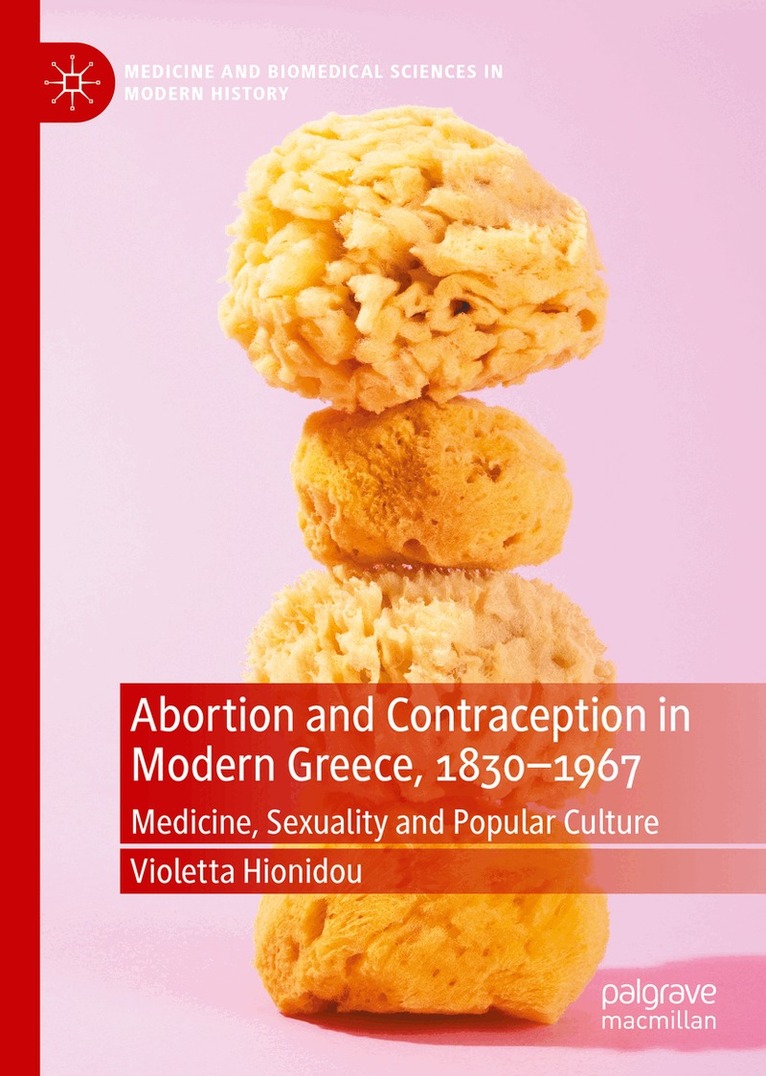
The book examines the history of abortion and contraception in Modern Greece from the time of its creation in the 1830s to 1967, soon after the Pill became available. It situates the history of abortion and contraception within the historiography of the fertility decline and the question of whether the decline was due to adjustment to changing social conditions or innovation of contraceptive methods. The study reveals that all methods had been in use for other purposes before they were employed as contraceptives. For example, Greek women were employing emmenagogues well before fertility was controlled; they did so in order to ‘put themselves right’ and to enhance their fertility. When they needed to control their fertility, they employed abortifacients, some of which were also emmenagogues, while others had been used as expellants in earlier times. Curettage was also employed since the late nineteenth century as a cure for sterility; once couples desired to control their fertility curettage was employed to procure abortion. Thus couples did not need to innovate but rather had to repurpose old methods and materials to new birth control methods. Furthermore, the role of physicians was found to have been central in advising and encouraging the use of birth control for ‘health’ reasons, thus facilitating and speeding fertility decline in Greece. All this occurred against the backdrop of a state and a church that were at times neutral and at other times disapproving of fertility control.
E-bok
Engelska, 20201 261 kr
Läs direkt efter köp
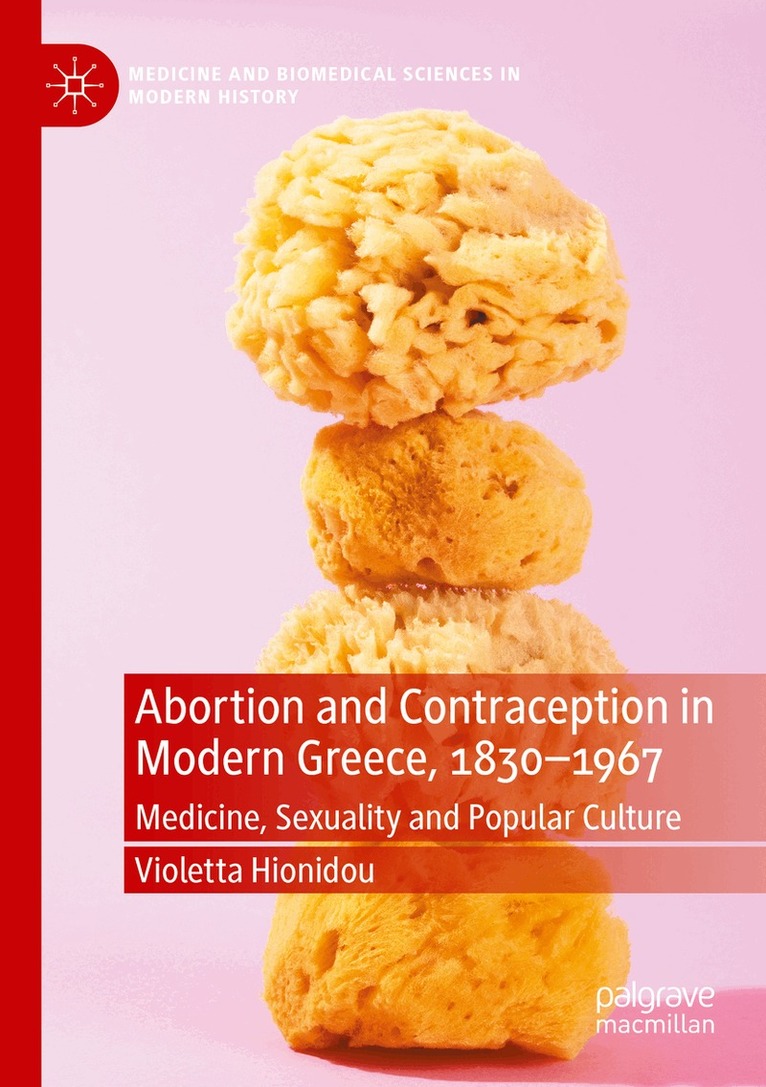
The book examines the history of abortion and contraception in Modern Greece from the time of its creation in the 1830s to 1967, soon after the Pill became available. It situates the history of abortion and contraception within the historiography of the fertility decline and the question of whether the decline was due to adjustment to changing social conditions or innovation of contraceptive methods. The study reveals that all methods had been in use for other purposes before they were employed as contraceptives. For example, Greek women were employing emmenagogues well before fertility was controlled; they did so in order to ‘put themselves right’ and to enhance their fertility. When they needed to control their fertility, they employed abortifacients, some of which were also emmenagogues, while others had been used as expellants in earlier times. Curettage was also employed since the late nineteenth century as a cure for sterility; once couples desired to control their fertility curettage was employed to procure abortion. Thus couples did not need to innovate but rather had to repurpose old methods and materials to new birth control methods. Furthermore, the role of physicians was found to have been central in advising and encouraging the use of birth control for ‘health’ reasons, thus facilitating and speeding fertility decline in Greece. All this occurred against the backdrop of a state and a church that were at times neutral and at other times disapproving of fertility control.
Häftad, Engelska, 2021
1 013 kr
Skickas inom 10-15 vardagar
The book examines the history of abortion and contraception in Modern Greece from the time of its creation in the 1830s to 1967, soon after the Pill became available. It situates the history of abortion and contraception within the historiography of the fertility decline and the question of whether the decline was due to adjustment to changing social conditions or innovation of contraceptive methods. The study reveals that all methods had been in use for other purposes before they were employed as contraceptives. For example, Greek women were employing emmenagogues well before fertility was controlled; they did so in order to ‘put themselves right’ and to enhance their fertility. When they needed to control their fertility, they employed abortifacients, some of which were also emmenagogues, while others had been used as expellants in earlier times. Curettage was also employed since the late nineteenth century as a cure for sterility; once couples desired to control their fertility curettage was employed to procure abortion. Thus couples did not need to innovate but rather had to repurpose old methods and materials to new birth control methods. Furthermore, the role of physicians was found to have been central in advising and encouraging the use of birth control for ‘health’ reasons, thus facilitating and speeding fertility decline in Greece. All this occurred against the backdrop of a state and a church that were at times neutral and at other times disapproving of fertility control.