Vladimir Kulic - Böcker
Visar alla böcker från författaren Vladimir Kulic. Handla med fri frakt och snabb leverans.
6 produkter
6 produkter
455 kr
Skickas inom 7-10 vardagar
1 383 kr
Skickas inom 10-15 vardagar
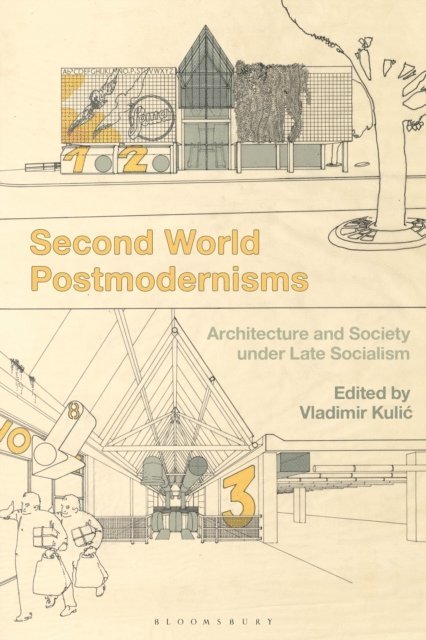
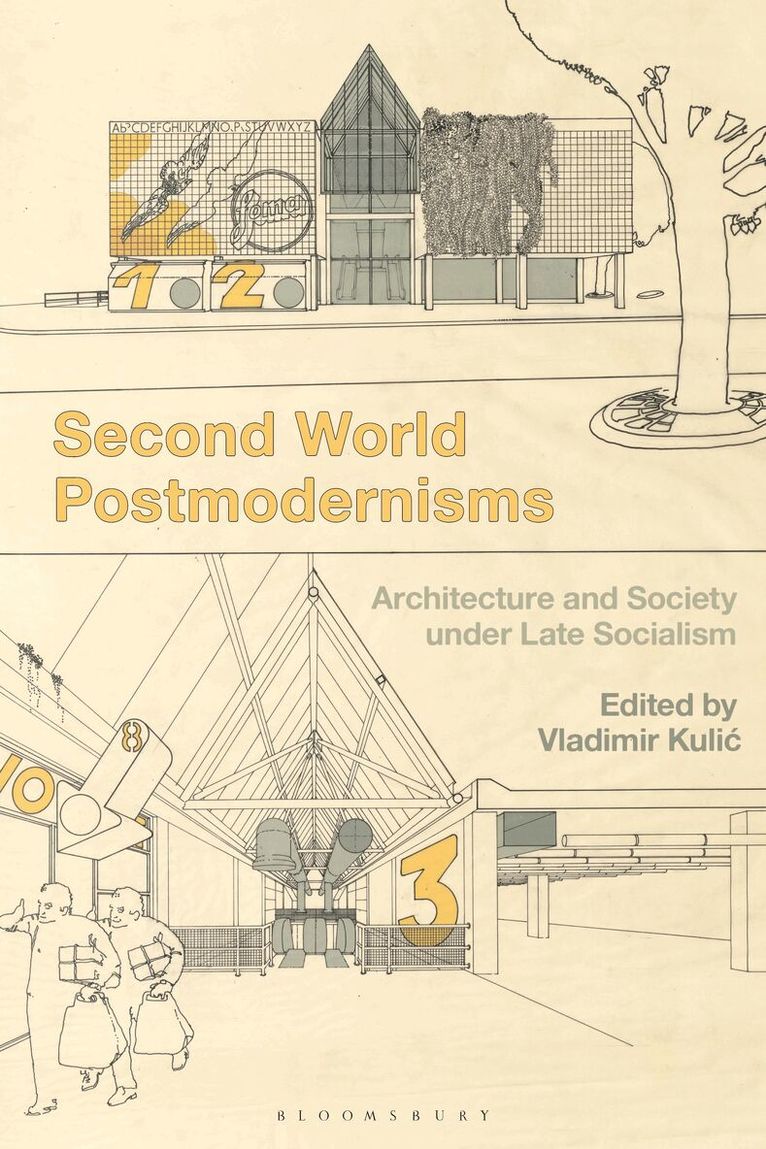
If postmodernism is indeed 'the cultural logic of late capitalism', why did typical postmodernist themes like ornament, colour, history and identity find their application in the architecture of the socialist Second World? How do we explain the retreat into paper architecture and theoretical discussion in societies still nominally devoted to socialist modernization?Exploring the intersection of two areas of growing scholarly interest - postmodernism and the architecture of the former socialist world - this edited collection stakes out new ground in charting architecture's various transformations in the 1970s and 80s. Fourteen essays together explore the question of whether or not architectural postmodernism had a specific Second World variant.The collection demonstrates both the unique nature of Second World architectural phenomena and also assesses connections with western postmodernism. The case studies cover the vast geographical scope from Eastern Europe to China and Cuba. They address a wealth of aesthetic, discursive and practical phenomena, interpreting them in the broader socio-political context of the last decades of the Cold War. The result provides a greatly expanded map of recent architectural history, which redefines postmodernist architecture in a more theoretically comprehensive and global way.
461 kr
Skickas inom 10-15 vardagar
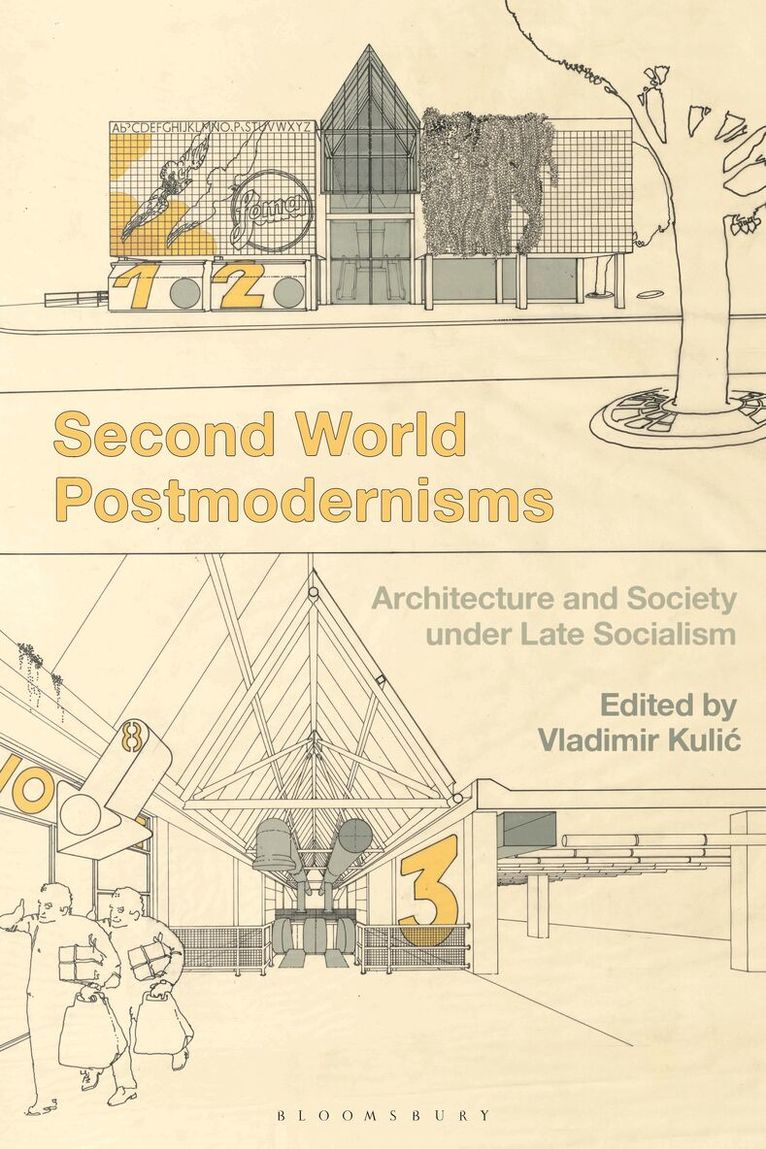
If postmodernism is indeed 'the cultural logic of late capitalism', why did typical postmodernist themes like ornament, colour, history and identity find their application in the architecture of the socialist Second World? How do we explain the retreat into paper architecture and theoretical discussion in societies still nominally devoted to socialist modernization?Exploring the intersection of two areas of growing scholarly interest - postmodernism and the architecture of the former socialist world - this edited collection stakes out new ground in charting architecture's various transformations in the 1970s and 80s. Fourteen essays together explore the question of whether or not architectural postmodernism had a specific Second World variant.The collection demonstrates both the unique nature of Second World architectural phenomena and also assesses connections with western postmodernism. The case studies cover the vast geographical scope from Eastern Europe to China and Cuba. They address a wealth of aesthetic, discursive and practical phenomena, interpreting them in the broader socio-political context of the last decades of the Cold War. The result provides a greatly expanded map of recent architectural history, which redefines postmodernist architecture in a more theoretically comprehensive and global way.
429 kr
Skickas inom 7-10 vardagar
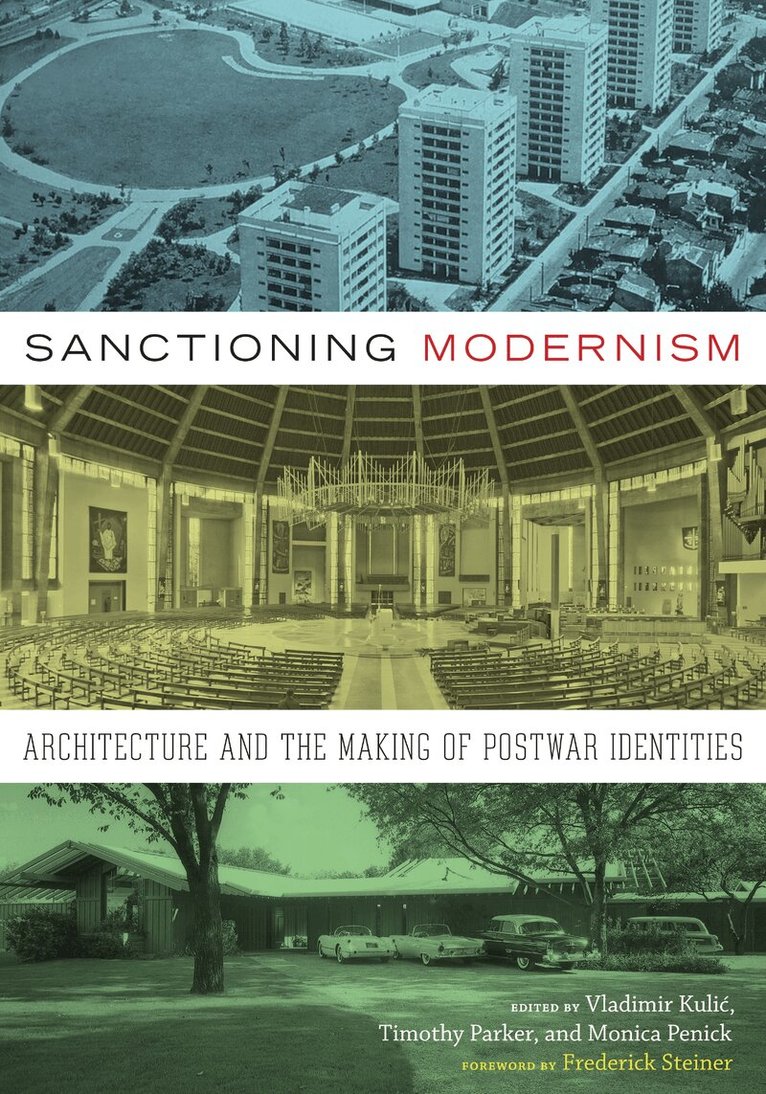
With new research on building programs in political, religious, and domestic settings in the United States and Europe, this collection of essays offers a fresh look at postwar modernism and the role that architecture played in constructing modern identities.In the decades following World War II, modern architecture spread around the globe alongside increased modernization, urbanization, and postwar reconstruction-and it eventually won widespread acceptance. But as the limitations of conventional conceptions of modernism became apparent, modern architecture has come under increasing criticism. In this collection of essays, experienced and emerging scholars take a fresh look at postwar modern architecture by asking what it meant to be “modern,” what role modern architecture played in constructing modern identities, and who sanctioned (or was sanctioned by) modernism in architecture.This volume presents focused case studies of modern architecture in three realms-political, religious, and domestic-that address our very essence as human beings. Several essays explore developments in Czechoslovakia, Romania, and Yugoslavia and document a modernist design culture that crossed political barriers, such as the Iron Curtain, more readily than previously imagined. Other essays investigate various efforts to reconcile the concerns of modernist architects with the traditions of the Roman Catholic Church and other Christian institutions. And a final group of essays looks at postwar homebuilding in the United States and demonstrates how malleable and contested the image of the American home was in the mid-twentieth century. These inquiries show the limits of canonical views of modern architecture and reveal instead how civic institutions, ecclesiastical traditions, individual consumers, and others sought to sanction the forms and ideas of modern architecture in the service of their respective claims or desires to be modern.
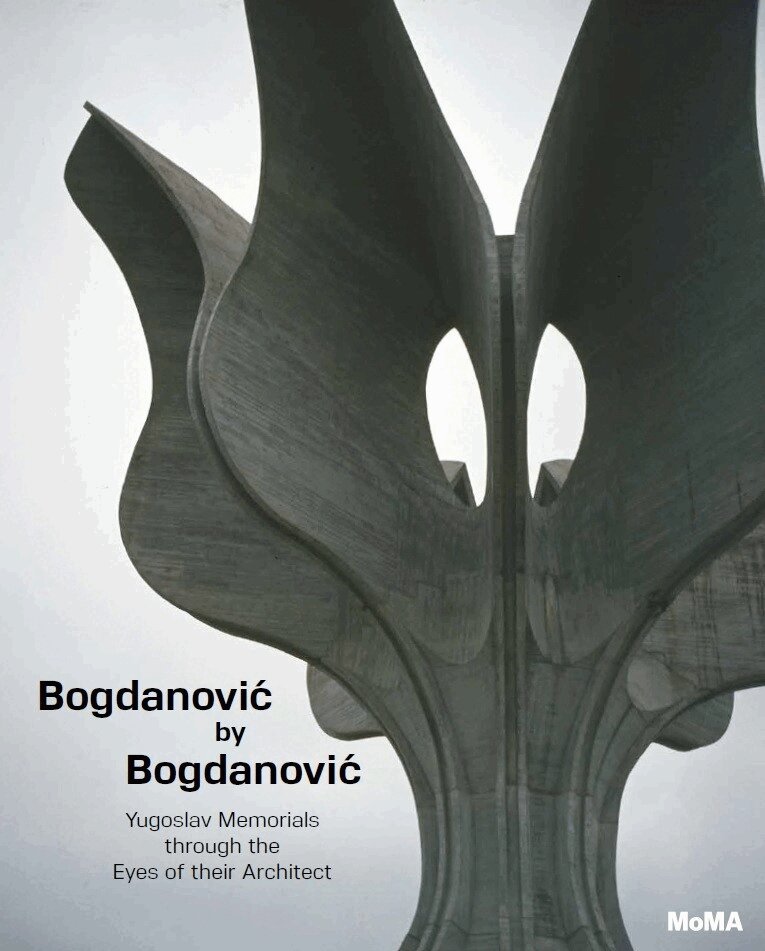
Bogdanovic by Bogdanovic
Yugoslav Memorials through the Eyes of their Architect
Inbunden, Engelska, 2018
306 kr
Skickas inom 7-10 vardagar
578 kr
Skickas inom 5-8 vardagar
In Life in the New, Marius Svaleng Andresen delves into the complexity of urban development and its impact on people, with the district of Novi Beograd, Belgrade, Serbia, as a backdrop. How does the relationship between people and architecture change as cities grow and become denser? Through interviews with the area's inhabitants and photographs that blend documentary and art, Life in the New explores what lies beyond the facade of the brutalist and socialist buildings of modernism. Impressive architectural forms and complex geometries recede into the background to reveal everyday life in all its mundane glory: its little dramas, its melancholy, its discomforts, quirkiness, and humour. Every now and then, however, Andresen discovers moments of pure beauty, the fragile, unpremeditated poetry of the everyday that thrives amidst the formality of the architects’ grand visions.