Vladimir (Ze'ev) Khanin – författare
Visar alla böcker från författaren Vladimir (Ze'ev) Khanin. Handla med fri frakt och snabb leverans.
13 produkter
Post-Soviet Conflicts
Politics, Ethnicity, and Warfare
Av Petr Oskolkov, Vladimir (Ze'ev) Khanin
E-bok, 2026
813 kr
Lägg i varukorg
This edited book offers an overview of how political structures, ethnic tensions, and emerging warfare continue to shape the region within the borders of the former Soviet Union. Bringing together Israeli, European, and US scholars, the volume traces decades of conflict dynamics across Eastern …
Post-Soviet Conflicts
Politics, Ethnicity, and Warfare
Av Petr Oskolkov, Vladimir (Ze'ev) Khanin
E-bok, 2026
831 kr
Lägg i varukorg
This edited book offers an overview of how political structures, ethnic tensions, and emerging warfare continue to shape the region within the borders of the former Soviet Union. Bringing together Israeli, European, and US scholars, the volume traces decades of conflict dynamics across Eastern …
Post-Soviet Conflicts
Politics, Ethnicity, and Warfare
Av Vladimir (Ze'ev) Khanin, Petr Oskolkov
Inbunden, 2026
2586 kr
Lägg i varukorg
This edited book offers an overview of how political structures, ethnic tensions, and emerging warfare continue to shape the region within the borders of the former Soviet Union.Bringing together Israeli, European, and US scholars, the volume traces decades of conflict dynamics across Eastern …
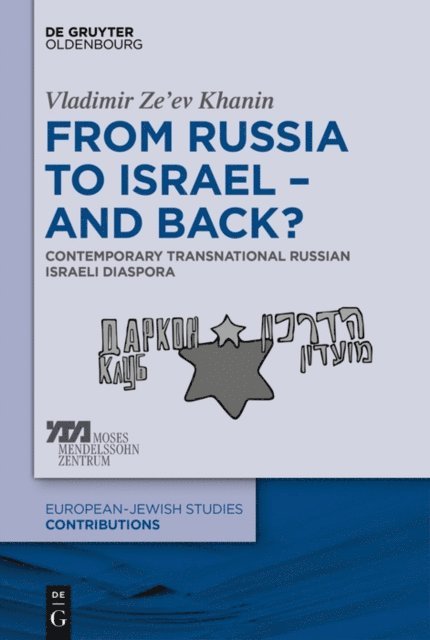
From Russia to Israel – And Back?
Contemporary Transnational Russian Israeli Diaspora
Inbunden, 2021
1752 kr
Lägg i varukorg
Of about a million Jews that arrived to Israel from the (former) USSR after 1989 some 12% left the country by the end of 2017. It is estimated that about a half of them left "back" for the FSU, and the rest for the USA, Canada and the Western Europe. The book provides a comprehensive analysis of …
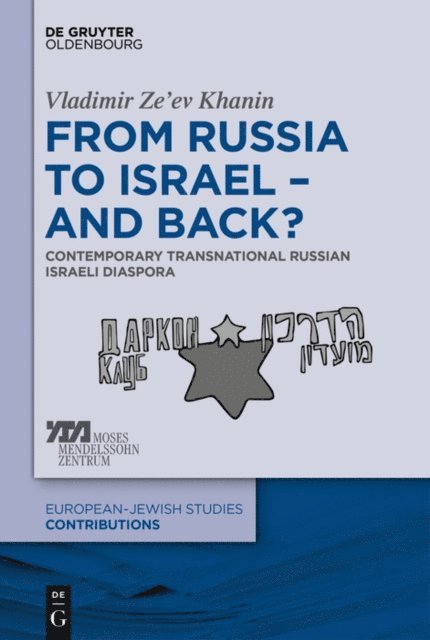
From Russia to Israel - And Back?
Contemporary Transnational Russian Israeli Diaspora
E-bok, 2021
1714 kr
Lägg i varukorg
Of about a million Jews that arrived to Israel from the (former) USSR after 1989 some 12% left the country by the end of 2017. It is estimated that about a half of them left "back" for the FSU, and the rest for the USA, Canada and the Western Europe. The book provides a comprehensive analysis of …
From Russia to Israel - And Back?
Contemporary Transnational Russian Israeli Diaspora
E-bok, 2021
1770 kr
Lägg i varukorg
Of about a million Jews that arrived to Israel from the (former) USSR after 1989 some 12% left the country by the end of 2017. It is estimated that about a half of them left "back" for the FSU, and the rest for the USA, Canada and the Western Europe. The book provides a comprehensive analysis of …
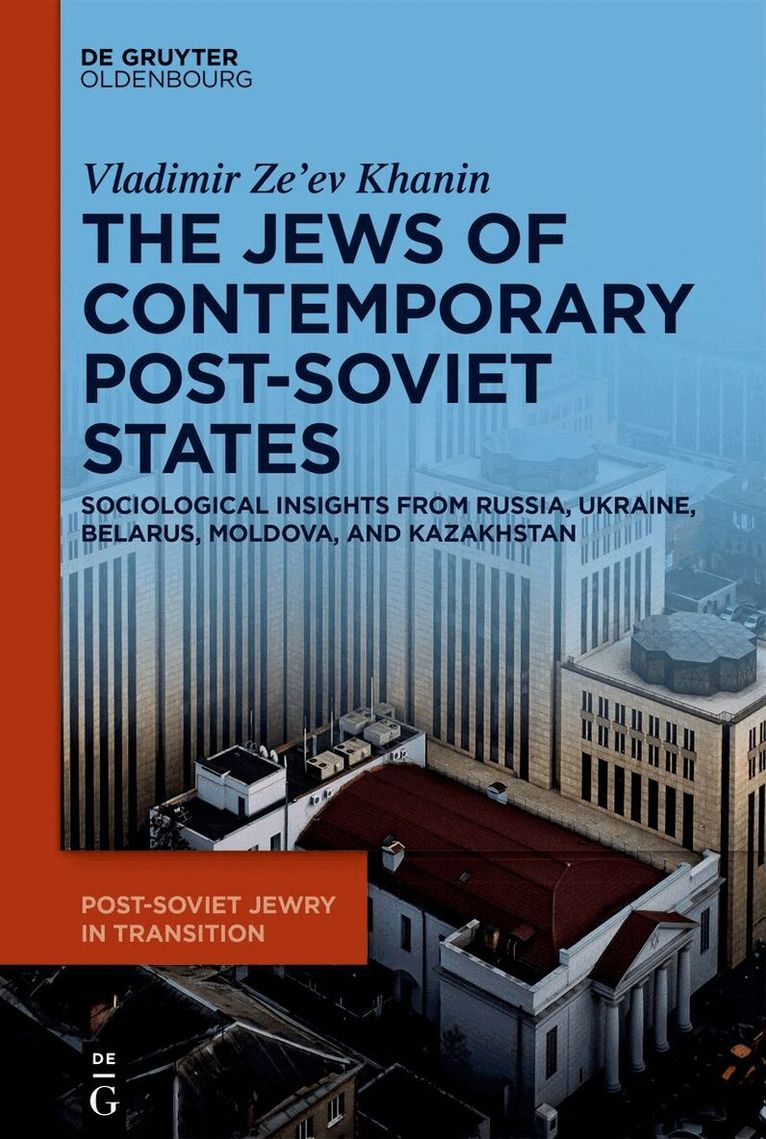
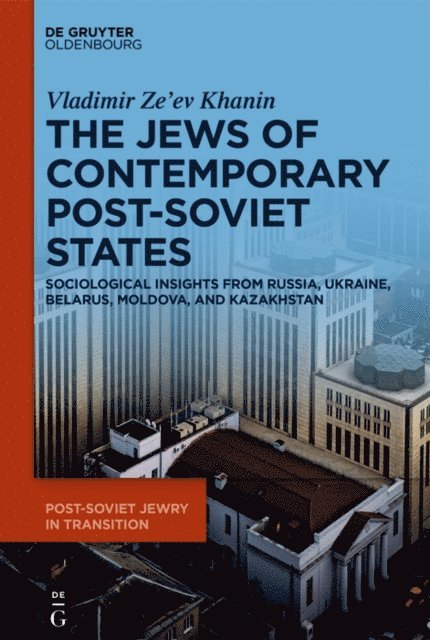
Jews of Contemporary Post-Soviet States
Sociological Insights from Russia, Ukraine, Belarus, Moldova, and Kazakhstan
Inbunden, 2023
1255 kr
Lägg i varukorg
Since the end of the USSR, post-Soviet Jewry has evolved into an ethnically and culturally diverse Russian speaking community. This process is taking place against the gradual inflation of a collective identity among Russian-speaking Jews that survived the first post-Soviet decade. The …
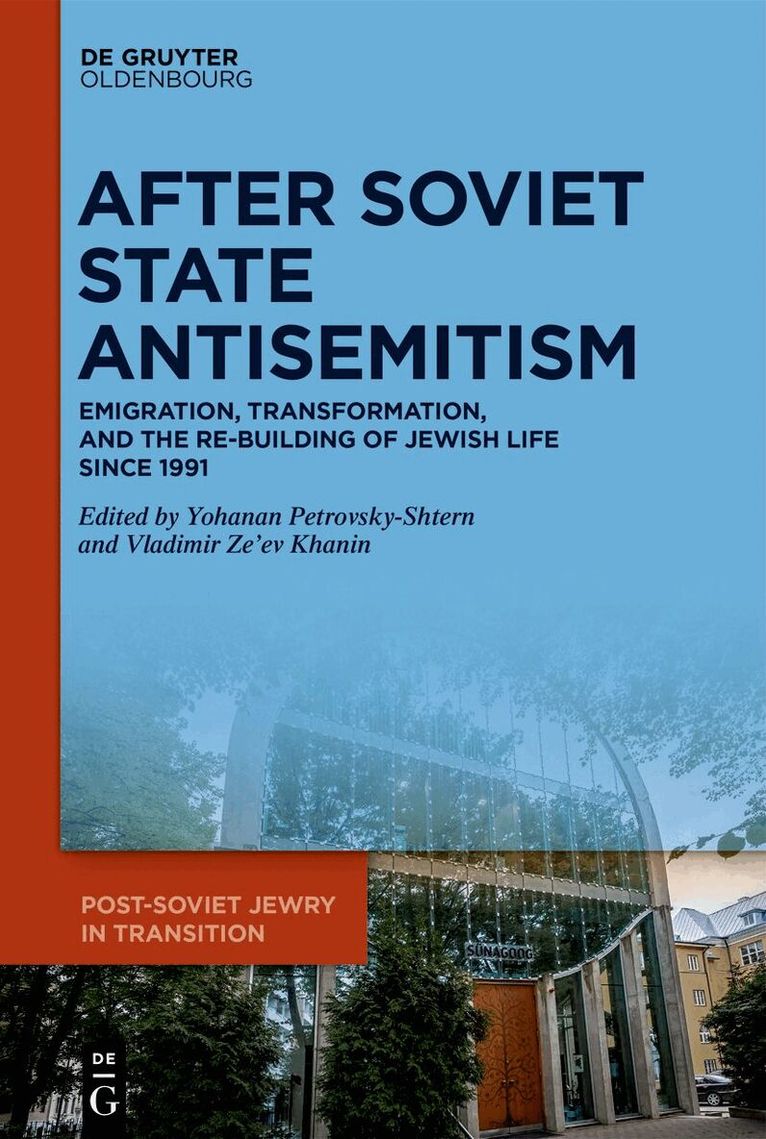
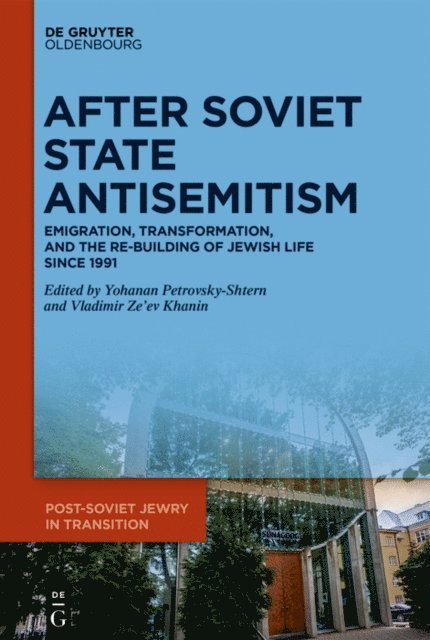
After Soviet State Antisemitism
Emigration, Transformation, and the Re-Building of Jewish Life Since 1991
Av Yohanan Petrovsky-Shtern, Vladimir Ze’ev Khanin
Inbunden, 2024
1463 kr
Lägg i varukorg
Following the abolishment of state-sanctioned antisemitism under Gorbachev’s Perestroika liberalization policy, Jewish life in the (F)SU ([former] Soviet Union) was dominated by two interrelated trends: large-scale emigration on the one hand, and attempts to re-establish a fully-organized local …
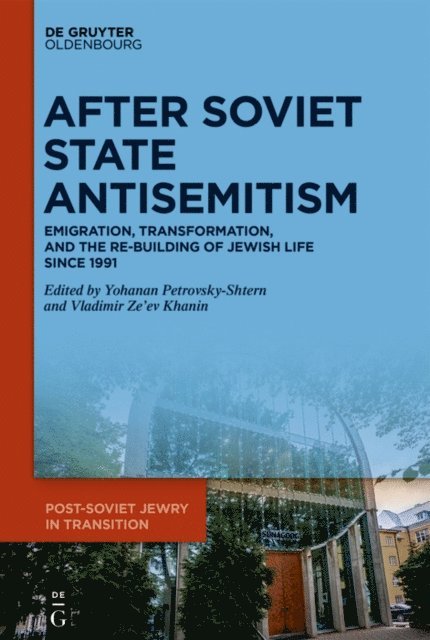
After Soviet State Antisemitism
Emigration, Transformation, and the Re-Building of Jewish Life Since 1991
Av Vladimir Ze'ev Khanin, Yohanan Petrovsky-Shtern
E-bok, 2024
1074 kr
Lägg i varukorg
Following the abolishment of state-sanctioned antisemitism under Gorbachev’s Perestroika liberalization policy, Jewish life in the (F)SU ([former] Soviet Union) was dominated by two interrelated trends: large-scale emigration on the one hand, and attempts to re-establish a fully-organized local …
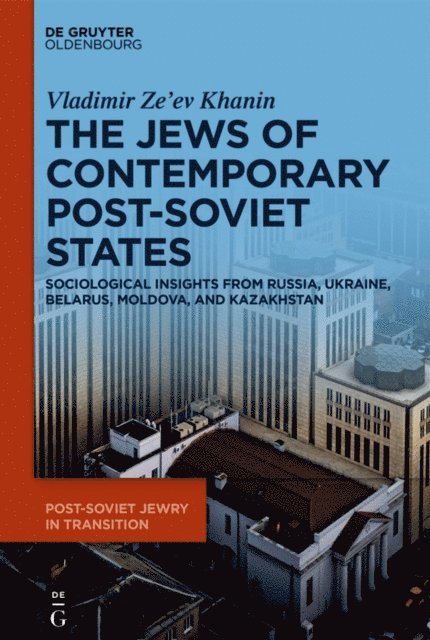
Jews of Contemporary Post-Soviet States
Sociological Insights from Russia, Ukraine, Belarus, Moldova, and Kazakhstan
E-bok, 2023
1085 kr
Lägg i varukorg
Since the end of the USSR, post-Soviet Jewry has evolved into an ethnically and culturally diverse Russian speaking community. This process is taking place against the gradual inflation of a collective identity among Russian-speaking Jews that survived the first post-Soviet decade. The …
Jews of Contemporary Post-Soviet States
Sociological Insights from Russia, Ukraine, Belarus, Moldova, and Kazakhstan
E-bok, 2023
1085 kr
Lägg i varukorg
Since the end of the USSR, post-Soviet Jewry has evolved into an ethnically and culturally diverse Russian speaking community. This process is taking place against the gradual inflation of a collective identity among Russian-speaking Jews that survived the first post-Soviet decade. The …
After Soviet State Antisemitism
Emigration, Transformation, and the Re-Building of Jewish Life Since 1991
Av Vladimir Ze'ev Khanin, Yohanan Petrovsky-Shtern
E-bok, 2024
1109 kr
Lägg i varukorg
Following the abolishment of state-sanctioned antisemitism under Gorbachev’s Perestroika liberalization policy, Jewish life in the (F)SU ([former] Soviet Union) was dominated by two interrelated trends: large-scale emigration on the one hand, and attempts to re-establish a fully-organized local …
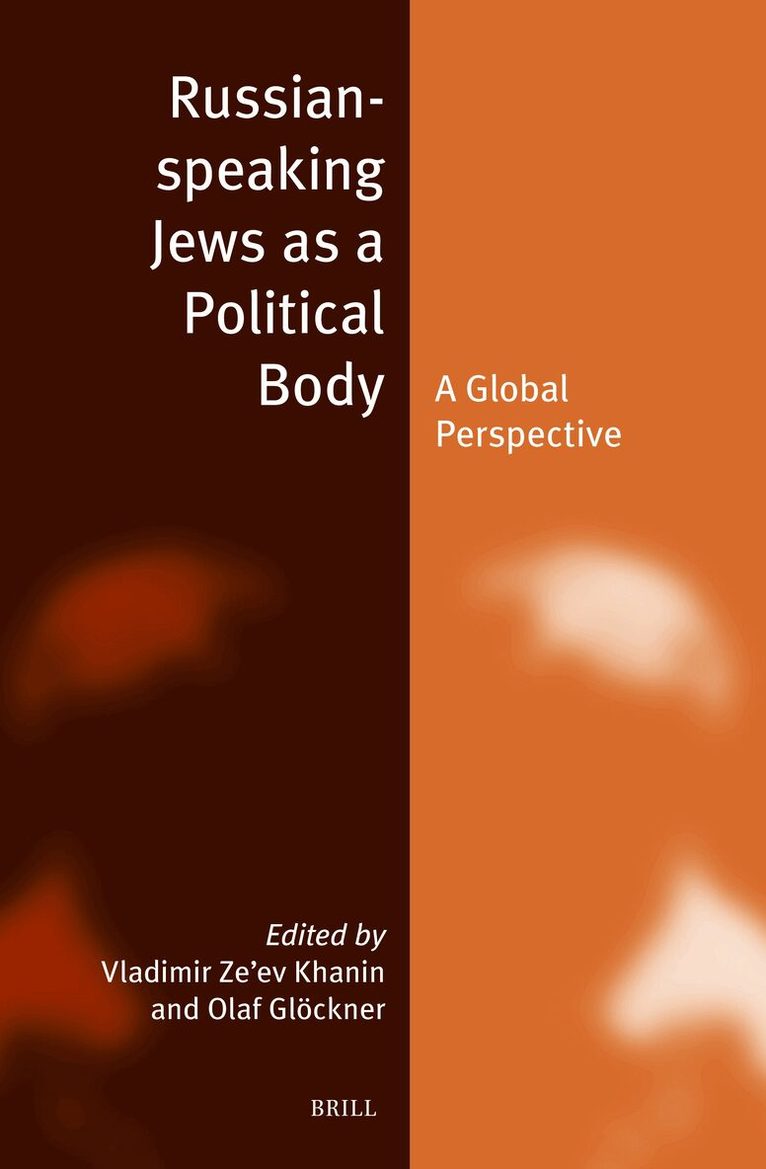
Russian-speaking Jews as a Political Body
A Global Perspective
Av Vladimir Ze‘ev Khanin, Olaf Glöckner
Inbunden, 2025
2221 kr
Lägg i varukorg
Since 1989 Russian-speaking Jews, often raised and socialized in the Soviet Union, have "dispersed" in great numbers to Western countries and Israel. Even there, they retain their own cultural and political identities. In this volume, prominent authors provide an impressive overview about how this …