W. Freeman Galpin - Böcker
Visar alla böcker från författaren W. Freeman Galpin. Handla med fri frakt och snabb leverans.
3 produkter
3 produkter
428 kr
Skickas inom 7-10 vardagar
The Grain Supply of England During the Napoleonic Period is a broad study of the profound influence the agricultural economy had on English domestic politics during the Napoleonic wars. During an extended period when war threatened unpredictable disruptions of trade, grain produced domestically was crucial to the economic health of the nation. A steady and affordable supply of domestically produced staple foodstuffs was politically important for keeping the population calm during wartime, and favorably disposed to governments that could assure an affordable food supply for the home front while still supplying troops abroad—and keeping farmers solvent. This study looks at the economic history of the period, including the influence of the "Corn Laws" that helped maintain the political and economic balance.
335 kr
Skickas inom 10-15 vardagar
555 kr
Skickas inom 10-15 vardagar
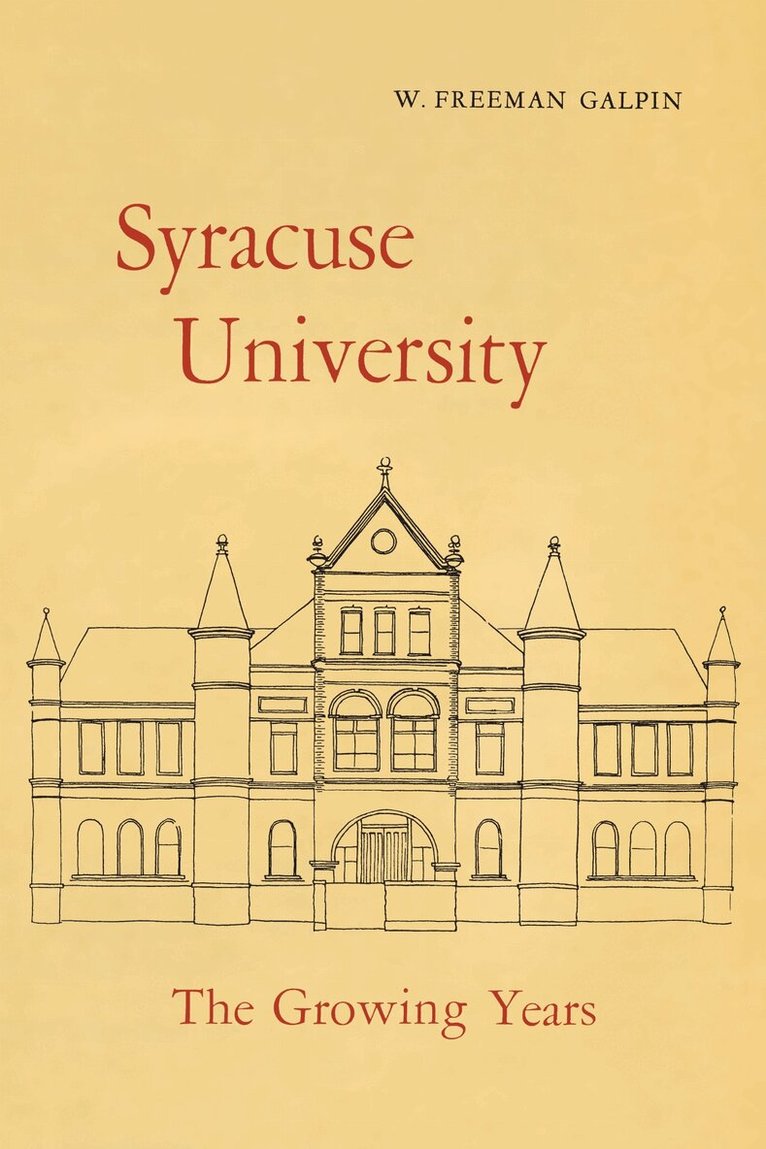
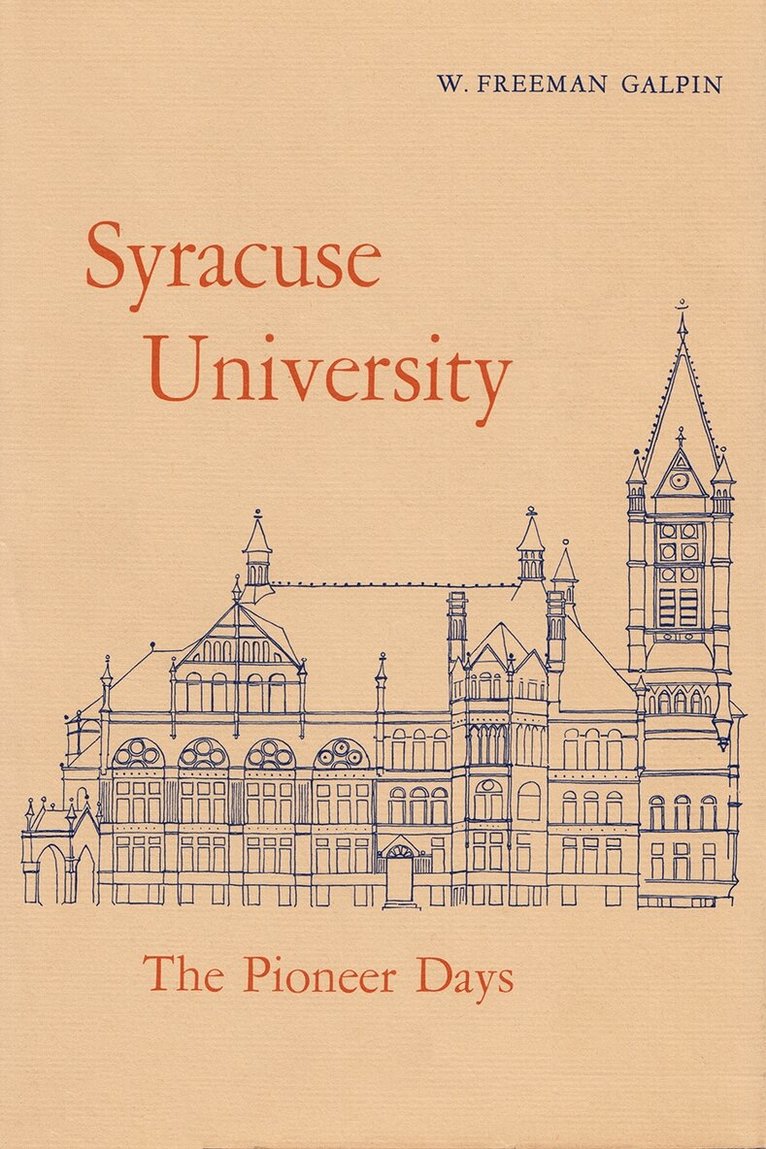
Six years before the twentieth century opened, a new era dawned in the life and development of Syracuse University. A new Chancellor, James Roscoe Day, installed in 1894, made plans for the future, envisioning a university on a national scale that would attract to it students from every state in the union and from other countries as well. Under his direction, Syracuse University embarked on a building program that encompassed not only an increased physical plant, but also new colleges and schools within an enlarged university.In The Growing Years, Volume II of the history of Syracuse University, Dr. W. Freeman Galpin traces the growth of the University from 1894 to 1922. During this period the institutions that were added and strengthened included the College of Medicine, University Hospital, Law School, Graduate School, College of Applied Sciences, New York State College of Forestry, Library School, School of Oratory, Teachers College, College of Agriculture, School of Home Economics, and the College of Business Administration.