Walter Aaron Clark - Böcker
Visar alla böcker från författaren Walter Aaron Clark. Handla med fri frakt och snabb leverans.
14 produkter
14 produkter
491 kr
Skickas inom 5-8 vardagar
The last of the Spanish Romantics, composer, conductor, and impresario Federico Moreno Torroba (1891-1982) left his mark on virtually every aspect of Spanish musical culture during a career which spanned six decades, and saw tremendous political and cultural upheavals. After Falla, he was the most important and influential musician: in addition to his creative activities, he was President of the General Society of Authors and Editors and director of the Academy of Fine Arts and Teatro Zarzuela. His enduring contributions as a composer include copious amounts of guitar music composed for Andres Segovia and several highly successful zarzuelas which remain in the repertoire today. Written by two leading experts in the field, Federico Moreno Torroba: A Musical Life in Three Acts explores not only his life and work, but also the relationship of his music to the cultural milieu in which he moved. It sheds particular light on the relationship of Torroba's music and the cultural politics of Francisco Franco's dictatorship (1939-75). Torroba came of age in a cultural renaissance that sought to reassert Spain's position as a unique cultural entity, and authors Walter A. Clark and William Krause demonstrate how his work can be understood as a personal, musical response to these aspirations. Clark and Krause argue that Torroba's decision to remain in Spain even during the years of Franco's dictatorship was based primarily not on political ideology but rather on an unwillingness to leave his native soil. Rather than abandon Spain to participate in the dynamic musical life abroad, he continued to compose music that reflected his conservative view of his national and personal heritage. The authors contend that this pursuit did not necessitate allegiance to a particular regime, but rather to the non-political exaltation of Spain's so-called 'eternal tradition', or the culture and spirit that had endured throughout Spain's turbulent history.Following Franco's death in 1975, there was ambivalence towards figures like Torroba who had made their peace with the dictatorship and paid a heavy price in terms of their reputation among expatriates. Moreover, his very conservative musical style made him a target for the post-war avant-garde, which disdained his highly tonal and melodic españolismo. With the demise of high modernism, however, the time has come for this new, more distanced assessment of Torroba's contributions. Richly illustrated with figures and music examples, and with a helpful discography for reference, this biography brings a fresh perspective on this influential composer to Latin American and Iberian music scholars, performers, and lovers of Spanish music alike.
1 038 kr
Skickas inom 5-8 vardagar
Enrique Granados (1867-1916) is one of the most compelling figures of the late-Romantic period in music. During his return voyage to Spain after the premiere of his opera Goyescas at New York's Metropolitan Opera in 1916, a German submarine torpedoed the ship on which he and his wife were sailing, and they perished in the waters of the English Channel. His death was mourned on both sides of the Atlantic as a stunning loss to the music world, for he had diedat the pinnacle of his career, and his late works held the promise of greater things to come. Granados was among the leading pianists of his time, and his eloquence at the keyboard inspired criticsto dub him the "poet of the piano." In Enrique Granados: Poet of the Piano, Walter Aaron Clark offers the first substantive study in English of this virtuoso pianist, composer, and music pedagogue. While providing detailed analyses of his major works for voice, piano, and the stage, Clark argues that Granados's art represented a unifying presence on the cultural landscape of Spain during a period of imperial decline, political unrest, and economic transformation. Drawing on newlydiscovered documents, Clark explores the cultural spheres in which Granados moved, particularly of Castile and Catalonia. Granados's best-known music was inspired by the art of Francisco Goya, especially theGoyescas suite for solo piano that became the basis for the opera. These pieces evoked the colorful and dramatic world that Goya inhabited and depicted in his art. Granados's fascination with Goya's Madrid set him apart from fellow nationalists Albéniz and Falla, who drew their principal inspiration from Andalusia. Though he was resolutely apolitical, Granados's attraction to Castile antagonized some Catalan nationalists, who resented Castilian domination. Yet Granados also madeimportant contributions to Catalan musical theater and was a prominent figure in the modernist movement in Barcelona. Clark also explores the personal pressures that shaped Granados's music. His passionateaffair with a wealthy socialite created domestic tensions, but it was also a source of inspiration for Goyescas. Persistent financial difficulties forced him to devote time to teaching at the expense of composition, though as a result Granados made considerable contributions to piano pedagogy and music education in Barcelona through the music academy he founded there. While Granados's tragic and early demise casts a pall over his life story, Clark ultimately reveals anartist of remarkable versatility and individuality and sheds new light on his enduring significance.
672 kr
Skickas inom 5-8 vardagar
The last of the Spanish Romantics, composer, conductor, and impresario Federico Moreno Torroba (1891-1982) left his mark on virtually every aspect of Spanish musical culture during a career which spanned six decades, and saw tremendous political and cultural upheavals. After Falla, he was the most important and influential musician: in addition to his creative activities, he was President of the General Society of Authors and Editors and director of the Academy of Fine Arts and Teatro Zarzuela. His enduring contributions as a composer include copious amounts of guitar music composed for Andres Segovia and several highly successful zarzuelas which remain in the repertoire today. Written by two leading experts in the field, Federico Moreno Torroba: A Musical Life in Three Acts explores not only his life and work, but also the relationship of his music to the cultural milieu in which he moved. It sheds particular light on the relationship of Torroba's music and the cultural politics of Francisco Franco's dictatorship (1939-75). Torroba came of age in a cultural renaissance that sought to reassert Spain's position as a unique cultural entity, and authors Walter A. Clark and William Krause demonstrate how his work can be understood as a personal, musical response to these aspirations. Clark and Krause argue that Torroba's decision to remain in Spain even during the years of Franco's dictatorship was based primarily not on political ideology but rather on an unwillingness to leave his native soil. Rather than abandon Spain to participate in the dynamic musical life abroad, he continued to compose music that reflected his conservative view of his national and personal heritage. The authors contend that this pursuit did not necessitate allegiance to a particular regime, but rather to the non-political exaltation of Spain's so-called 'eternal tradition', or the culture and spirit that had endured throughout Spain's turbulent history.Following Franco's death in 1975, there was ambivalence towards figures like Torroba who had made their peace with the dictatorship and paid a heavy price in terms of their reputation among expatriates. Moreover, his very conservative musical style made him a target for the post-war avant-garde, which disdained his highly tonal and melodic españolismo. With the demise of high modernism, however, the time has come for this new, more distanced assessment of Torroba's contributions. Richly illustrated with figures and music examples, and with a helpful discography for reference, this biography brings a fresh perspective on this influential composer to Latin American and Iberian music scholars, performers, and lovers of Spanish music alike.
2 926 kr
Skickas inom 7-10 vardagar
An account of the career of Isaac Albeniz (1860-1909), a concert pianist renowned for creating a national style of Spanish piano music and fostering the growth of the concerto, orchestral music, and opera in Spain. As a touring child prodigy who supposedly stowed away on a steamer to the New World, later studied with Liszt, and eventually got ensnared in a "Faustian pact" with the wealthy English librettist, Frances Burdett Money-Coutts, his career has become the stuff of legend. Based on documentary evidence, this biography aims to debunk the mythology surrounding his career, much of it spun by the composer himself. Clark also reveals a complex individual who captured the mystery of Spain in his music yet felt estranged from his homeland in reality.
1 417 kr
Skickas inom 7-10 vardagar
Walter Aaron Clark's detailed and accurate account (the first in English) of one of the most intriguing figures of the Romantic period is now available in paperback. Isaac Albéniz (1860-1909), a renowned concert pianist, created a national style of Spanish piano music and also fostered the growth in Spain of the concerto, orchestral music, and opera. His career was to become the stuff of legend: a touring child prodigy who supposedly stowed away on a steamer to the New World, he later studied with Liszt, and eventually became ensnared in a 'Faustian pact' with the wealthy English librettist Frances Burdett Money-Coutts. Based on a wealth of new and previously overlooked documentary evidence, this biography debunks the mythology surrounding Albéniz's career--much of it spun by the composer himself--and reveals a complex individual who was able to capture the mystery of Spain in his music yet who in reality felt estranged from his homeland.
525 kr
Skickas inom 5-8 vardagar
Enrique Granados (1867-1916) is one of the most compelling figures of the late-Romantic period in music. During his return voyage to Spain after the premiere of his opera Goyescas in New York, a German submarine torpedoed the ship on which he and his wife were sailing and they perished in the waters of the English Channel. His death was mourned on both sides of the Atlantic as a stunning loss to the music world, for he had died at the pinnacle of his career and his late works held the promise of greater things to come. While Granados's tragic demise casts a pall over his life story, author Walter Clark reveals an artist of remarkable versatility and individuality and sheds new light on his enduring significance.
1 403 kr
Skickas inom 7-10 vardagar
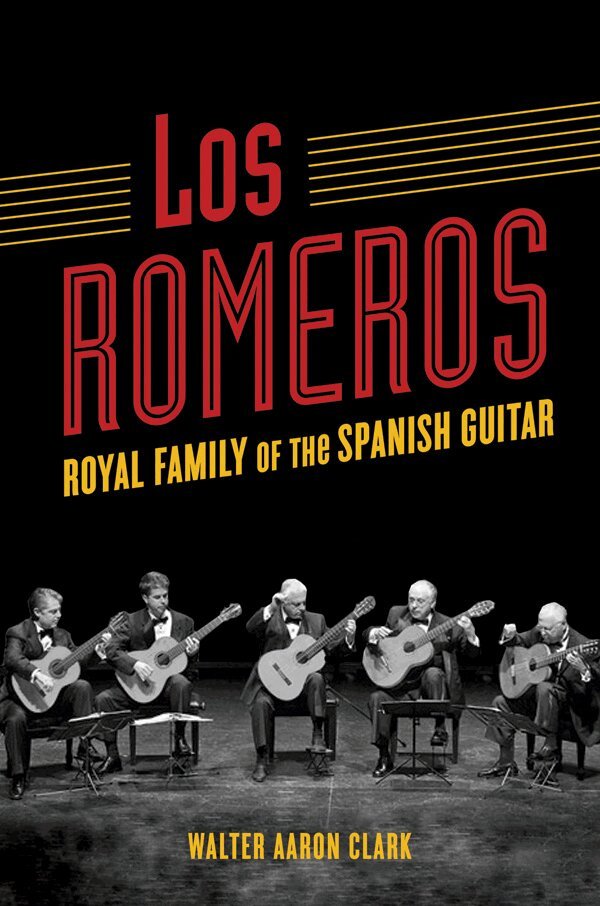
Spanish émigré guitarist Celedonio Romero gave his American debut performance on a June evening in 1958. In the sixty years since, the Romero Family—Celedonio, his wife Angelita, sons Celín, Pepe, and Angel, as well as grandsons Celino and Lito—have become preeminent in the world of Spanish flamenco and classical guitar in the United States. Walter Aaron Clark's in-depth research and unprecedented access to his subjects have produced the consummate biography of the Romero family. Clark examines the full story of their genius for making music, from their outsider's struggle to gain respect for the Spanish guitar to the ins and outs of making a living as musicians. As he shows, their concerts and recordings, behind-the-scenes musical careers, and teaching have reshaped their instrument's very history. At the same time, the Romeros have organized festivals and encouraged leading composers to write works for guitar as part of a tireless, lifelong effort to promote the guitar and expand its repertoire. Entertaining and intimate, Los Romeros opens up the personal world and unfettered artistry of one family and its tremendous influence on American musical culture.
252 kr
Skickas inom 7-10 vardagar
Spanish émigré guitarist Celedonio Romero gave his American debut performance on a June evening in 1958. In the sixty years since, the Romero Family—Celedonio, his wife Angelita, sons Celín, Pepe, and Angel, as well as grandsons Celino and Lito—have become preeminent in the world of Spanish flamenco and classical guitar in the United States. Walter Aaron Clark's in-depth research and unprecedented access to his subjects have produced the consummate biography of the Romero family. Clark examines the full story of their genius for making music, from their outsider's struggle to gain respect for the Spanish guitar to the ins and outs of making a living as musicians. As he shows, their concerts and recordings, behind-the-scenes musical careers, and teaching have reshaped their instrument's very history. At the same time, the Romeros have organized festivals and encouraged leading composers to write works for guitar as part of a tireless, lifelong effort to promote the guitar and expand its repertoire. Entertaining and intimate, Los Romeros opens up the personal world and unfettered artistry of one family and its tremendous influence on American musical culture.
2 150 kr
Skickas inom 10-15 vardagar
Winner of the 2023 Vincent H. Duckles Award, Music Library AssociationJoaquín Rodrigo: A Research and Information Guide catalogues and summarizes the musical works and related literature of Joaquín Rodrigo (1901–99), perhaps the most important Spanish composer of concert music in the second half of the twentieth century. The guide provides annotated bibliographic entries for both primary and secondary sources, detailing several guitar concertos, concertos for flute, violin, harp, cello, and piano, as well as symphonic pieces, piano solos, chamber music, and choral and stage works. Rodrigo’s reputation rests on the Concierto de Aranjuez for guitar and orchestra and its expressive middle movement, which inspired jazz arrangements by Miles Davis and Chick Corea in the 1960s and continues to appear in film scores even eighty years after its composition.A major reference tool for all those interested in the prolific Rodrigo and his music—featuring a chronology of the composer’s life and robust indices that enable researchers to easily locate sources by author, composition, or subject—Joaquín Rodrigo: A Research and Information Guide is a valuable resource for students and researchers alike.
2 150 kr
Skickas inom 10-15 vardagar
Author of two books on Issac Albeniz, including Issac Albeniz: A Guide to Research (1998), Walter Aaron Clark has compiled thirteen essays that discuss the various aspects of Latin American music. The essays cover the social and political impact the music generated as well as the rhythmic development of the various genres. In this essential book, significant personalities, including Carmen Miranda, are discussed. The scope of the contributors is vast as divergent musical styles such as the Macarena dace craze, Bob Marley's reggae music and the seductive strains of the tango are analyzed.
747 kr
Skickas inom 10-15 vardagar
Author of two books on Issac Albeniz, including Issac Albeniz: A Guide to Research (1998), Walter Aaron Clark has compiled thirteen essays that discuss the various aspects of Latin American music. The essays cover the social and political impact the music generated as well as the rhythmic development of the various genres. In this essential book, significant personalities, including Carmen Miranda, are discussed. The scope of the contributors is vast as divergent musical styles such as the Macarena dace craze, Bob Marley's reggae music and the seductive strains of the tango are analyzed.
593 kr
Skickas inom 10-15 vardagar
Winner of the 2023 Vincent H. Duckles Award, Music Library AssociationJoaquín Rodrigo: A Research and Information Guide catalogues and summarizes the musical works and related literature of Joaquín Rodrigo (1901–99), perhaps the most important Spanish composer of concert music in the second half of the twentieth century. The guide provides annotated bibliographic entries for both primary and secondary sources, detailing several guitar concertos, concertos for flute, violin, harp, cello, and piano, as well as symphonic pieces, piano solos, chamber music, and choral and stage works. Rodrigo’s reputation rests on the Concierto de Aranjuez for guitar and orchestra and its expressive middle movement, which inspired jazz arrangements by Miles Davis and Chick Corea in the 1960s and continues to appear in film scores even eighty years after its composition.A major reference tool for all those interested in the prolific Rodrigo and his music—featuring a chronology of the composer’s life and robust indices that enable researchers to easily locate sources by author, composition, or subject—Joaquín Rodrigo: A Research and Information Guide is a valuable resource for students and researchers alike.
423 kr
Skickas inom 7-10 vardagar
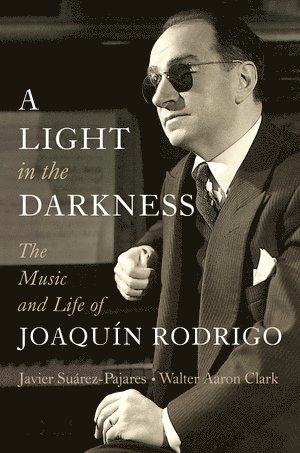
Joaquín Rodrigo is best known as the composer of one of the most popular works of music in the classical repertoire—the Concierto de Aranjuez for guitar and orchestra. Jazz great Miles Davis said of the work, “After listening to it for a couple of weeks,... I couldn’t get it out of my mind”, and used it as inspiration for his album Sketches of Spain. But Javier Suárez-Pajares and Walter Aaron Clark demonstrate in this musical biography that Rodrigo’s work and influence extend far beyond that singular work. Blinded in infancy, Rodrigo didn’t allow visual limitations to prevent him from pursuing his passion for music; travelling to study in Paris; connecting with a wide range of musicians, authors, and artists; and navigating the political and cultural complexities of Franco’s Spain. Though firmly grounded in the traditional music of Spain, his creative reach extended to a wide variety of styles, genres and media. He was as versatile as he was prolific and, one hundred years after his first serious composition, remains a figure of global renown.
349 kr
Skickas inom 7-10 vardagar
Presents the memories and insights of a great musician-a master of the guitar whose performances and exuberant, caring nature have brought joy to many around the world.Pepe Romero (b. 1944) has been one of the preeminent exponents of classical and flamenco guitar for over sixty years. He is renowned worldwide for his innumerable concerts and many recordings of a wide variety of repertoire, from solos to concertos and works for guitar duet and quartet. Indeed, Celedonio Romero (1913-96) and his three sons, Celin (b. 1936), Pepe, and Angel (b. 1946), formed the first significant guitar quartet in music history. In this memoir, Pepe conveys his views on a variety of topics pertaining to the guitar, including repertoire, technique, teaching, guitar makers, concertizing and the psychology of performance. He also offers fascinating recollections of his early years in Spain, his family life, and his collaborations and friendships with leading musicians, artists and writers. Though the focus is understandably on Pepe and his immediate circle, the reader also gains insights into the sociocultural context in which he grew up, during the dictatorship of Francisco Franco in the wake of a ruinous civil war. The Romeros moved to Southern California in 1957, a locale that proved very conducive to the success of a quartet of Spanish guitarists and one they still call home. This book will both entertain and inform a wide variety of readers and leave a lasting and reliable record of an extraordinary musician's exceptionally rich life.