Wendy Ashmore – författare
Visar alla böcker från författaren Wendy Ashmore. Handla med fri frakt och snabb leverans.
6 produkter
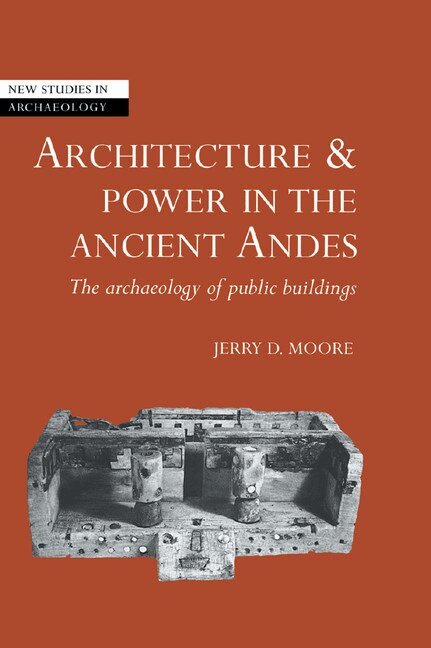
Architecture and Power in the Ancient Andes
The Archaeology of Public Buildings
Av Jerry D. Moore, Colin Renfrew m. fl.
Inbunden, 1996
1641 kr
Lägg i varukorg
In this 1996 volume, Jerry D. Moore discusses public architecture in the context of the cultural, political and religious life of the pre-hispanic Andes. Archaeologists have invested enormous effort in excavating and documenting prehistoric buildings, but analytical approaches to architecture …
Architecture and Power in the Ancient Andes
The Archaeology of Public Buildings
Av Jerry D. Moore, Colin Renfrew m. fl.
Häftad, 2005
754 kr
Lägg i varukorg
In this 1996 volume, Jerry D. Moore discusses public architecture in the context of the cultural, political and religious life of the pre-hispanic Andes. Archaeologists have invested enormous effort in excavating and documenting prehistoric buildings, but analytical approaches to architecture …
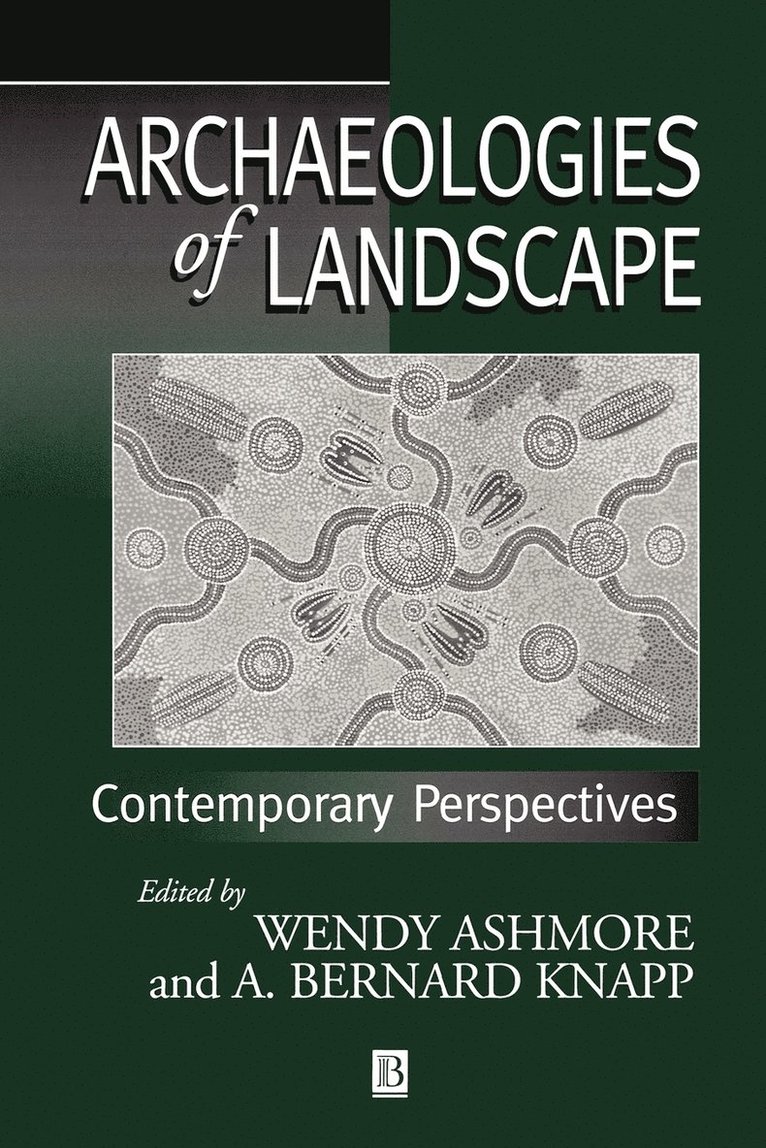
Archaeologies of Landscape
Contemporary Perspectives
Häftad, 1999
655 kr
Lägg i varukorg
This book offers new and diverse perspectives on the ideational qualities of past landscapes.
Quiriguá Reports, Volume I – Papers 1–5
Papers 1-5
Av Wendy Ashmore, Wendy Ashmore
Häftad, 1979
445 kr
Tillfälligt slut
Although QuiriguA and its magnificent carved monuments have been recorded and studied by scholars over the past century, little archaeological data were available until recently. From 1973 through 1979, the University Museum sponsored investigations at this major lowland Maya site in eastern …
Voices in American Archaeology
Av Wendy Ashmore, Dorothy T. Lippert m. fl.
Häftad, 2010
468 kr
Tillfälligt slut
Archaeological ideas and practices have experienced transformative change since the Society for American Archaeology’s fiftieth Anniversary. Authors in this volume from the SAA press consider critically some of today’s most noteworthy issues. Their voices—like their views—are as diverse as the …
Quiriguá Reports, Volume IV – Settlement Archaeology at Quiriguá, Guatemala
Settlement Archaeology at Quiriguá, Guatemala
Inbunden, 2007
1568 kr
Tillfälligt slut
This monograph reports the results of the QuiriguA Project Site Periphery Program, five seasons (1975-1979) of archaeological survey and excavation in the 96 km2 immediately adjoining the classic Maya site of QuiriguA. Ashmore identifies and helps us understand where and how the people of QuiriguA …