Whitney Chadwick - Böcker
Visar alla böcker från författaren Whitney Chadwick. Handla med fri frakt och snabb leverans.
5 produkter
5 produkter
307 kr
Skickas inom 7-10 vardagar
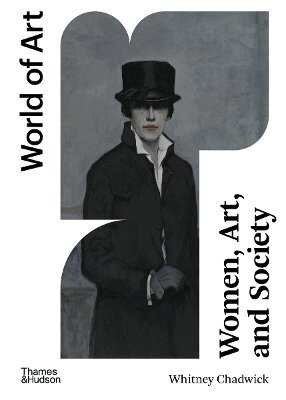
Whitney Chadwick’s acclaimed study challenges the assumption that great women artists are exceptions to the rule, who ‘transcended’ their sex to produce major works of art. While acknowledging the many women whose contribution to visual culture since the Middle Ages have often been neglected, Chadwick’s survey amounts to much more than an alternative canon of women artists: it re-examines the works themselves and the ways in which they have been perceived as marginal, often in direct reference to gender. In her disussion of feminism and its influence on such a reappraisal, the author also addresses the closely related issues of ethnicity, class and sexuality. With a new preface and epilogue from an exciting new authority on the history of women artists, this revised edition continues the project of charting the evolution of feminist art history and pedagogy in recent years, revealing how artists have responded to new strategies of feminism for the current moment.
110 kr
Skickas inom 7-10 vardagar
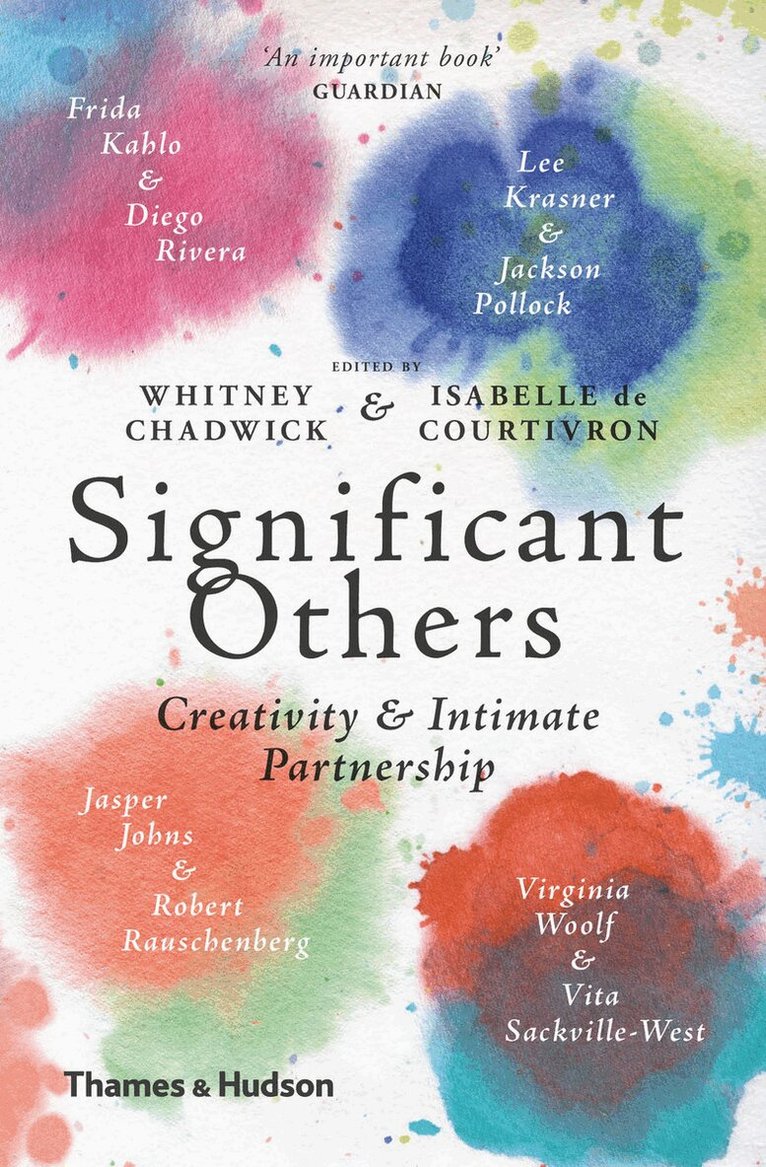
Biographies of artists and writers have traditionally presented an individual’s lone struggle for self-expression. In this book, critics and historians challenge these assumptions in a series of essays that focus on artist and writer couples who have shared sexual and artistic bonds. Featuring duos such as Auguste Rodin and Camille Claudel, Sonia and Robert Delaunay, Vanessa Bell and Duncan Grant, and Jasper Johns and Robert Rauschenberg, this book combines biography with evaluation of each partner’s work in the context of the relationship.
194 kr
Skickas inom 7-10 vardagar
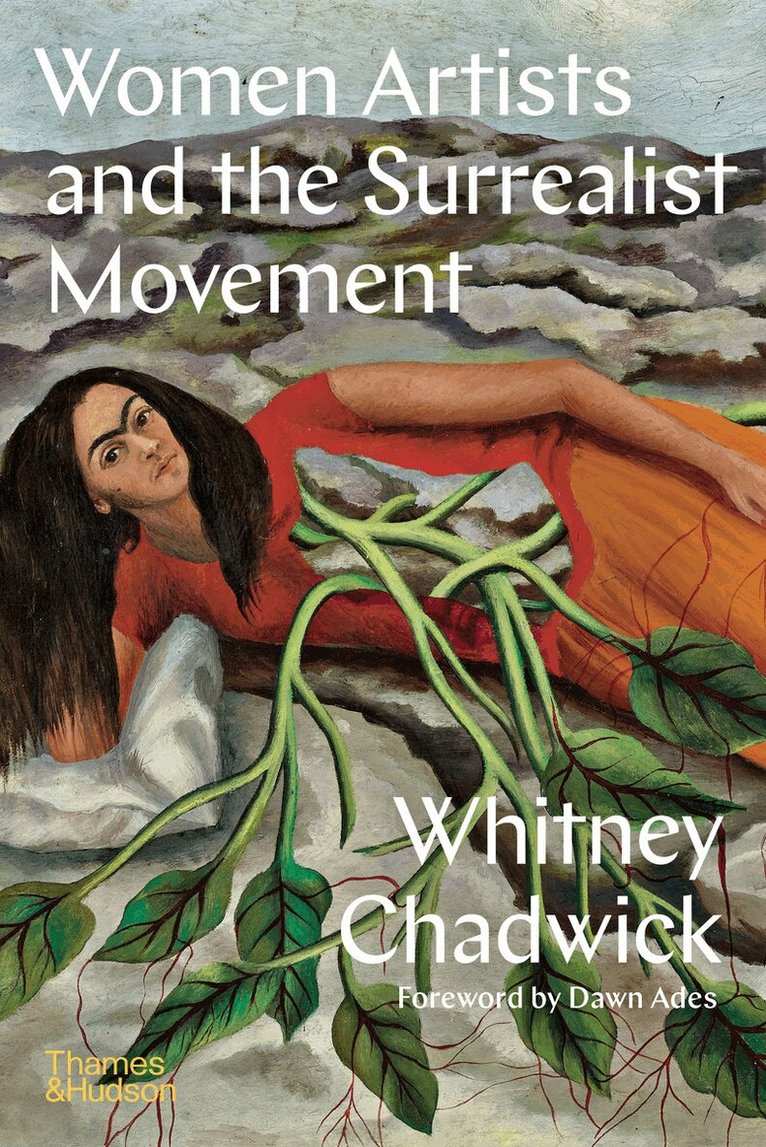
This pioneering book stands as the most comprehensive treatment of the lives, ideas and art works of the remarkable group of women who were an essential part of the Surrealist movement. Frida Kahlo, Meret Oppenheim and Dorothea Tanning, among many others, became an embodiment of their age as they struggled towards artistic maturity and their own 'liberation of the spirit' in the context of the Surrealist revolution. Their stories and their achievements are presented here against the background of the turbulent decades of the 1920s, 30s and 40s, and the war that forced Surrealism into exile in New York and Mexico.With 145 illustrations in colour
168 kr
Skickas inom 7-10 vardagar
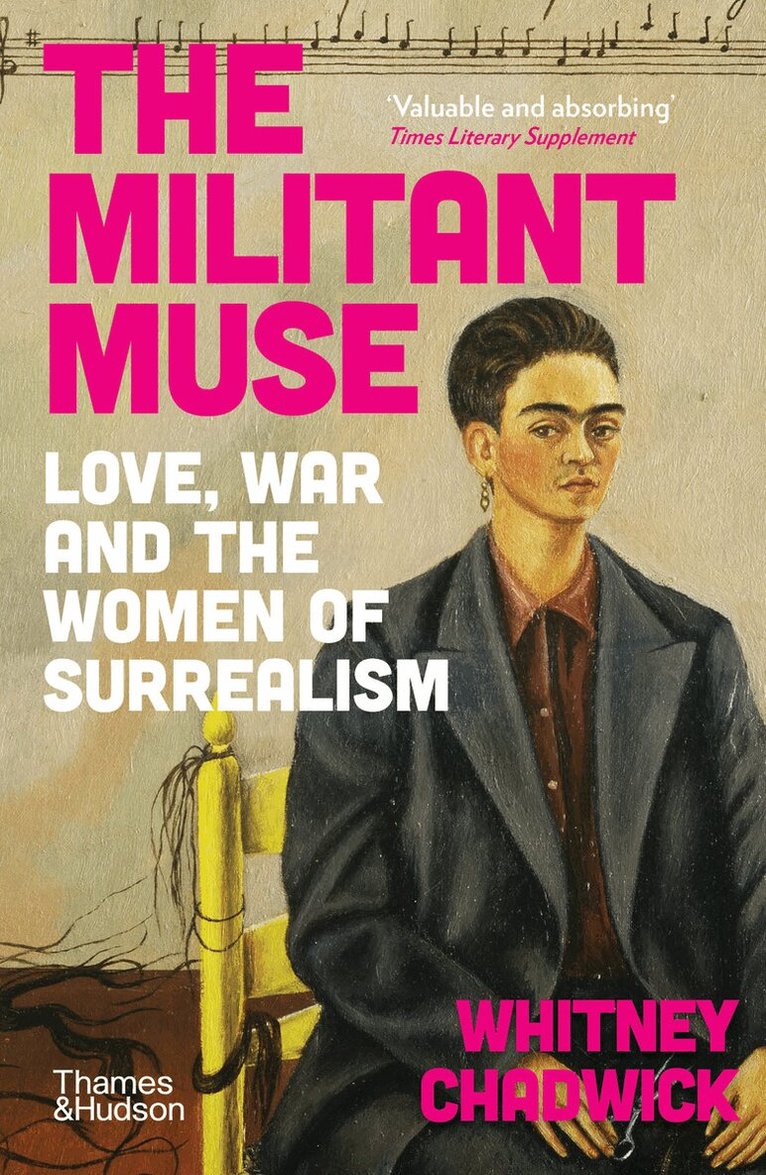
A beautifully written and elegantly constructed narrative that explores the intense, complex and far-reaching female friendships among the Surrealists during the 1930s, 1940s and 1950s. The Militant Muse documents what it meant to be young, ambitious and female in the context of an avant-garde movement defined by celebrated men whose educational, philosophical and literary backgrounds were often quite different from those of their younger lovers and companions. Focusing on the 1930s, 1940s and 1950s, Whitney Chadwick charts five intense, far-reaching female friendships among the surrealists to show how surrealism and the experiences of war, loss and trauma shaped individual women’s transitions from beloved muses to mature artists. Her vivid account includes the fascinating story of Claude Cahun and Suzanne Malherbe’s subversive activities in occupied Jersey, as well as the experiences of Lee Miller and Valentine Penrose at the frontline. The book draws on personal correspondence between the women, including the extraordinary letters between Leonora Carrington and Leonor Fini following the imprisonment of Carrington’s lover Max Ernst, and the letter Frida Kahlo shared with her friend and lover Jacqueline Lamba years after it was written in the 1930s during a difficult stay in Paris. This thoroughly engrossing history brings a new perspective to the political context of surrealism, as well as fresh insights on the vital importance of female friendship to artistic and intellectual flowering.
500 kr
Tillfälligt slut
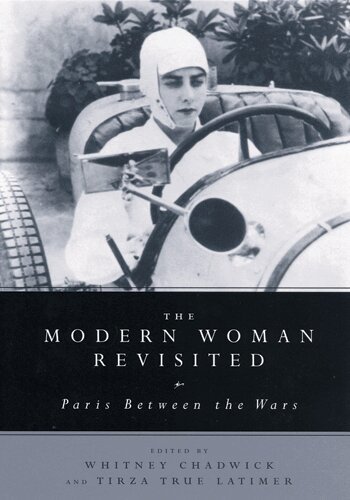
The contributions of female artists to the development of literary and artistic modernism in early twentieth century France remain poorly understood. It was during this period that a so-called “modern woman” began occupying urban spaces associated with the development of modern art and modernism’s struggles to define subjectivities and sexualities. Whereas most studies of modernism’s formal innovations and its encouragement of artistic autonomy neglect or omit necessary discussions of gender, race, class, and sexual orientation, the contributors of The Modern Woman Revisited inject these perspectives into the discussion. Between the two World Wars, Paris served as the setting for unparalleled freedom for expatriate as well as native-born French women, who enjoyed unprecedented access to education and opportunities to participate in public artistic and intellectual life. Many of these women made lasting contributions in art and literature. Some of the artists discussed include Colette, Tamara de Lempicka, Sonia Delaunay, Djuna Barnes, Augusta Savage, and Lee Miller.Inthis book, an internationally recognized roster of art historians, literary critics, and other scholars offers a nuanced portrait of what it meant to be a modern woman during this decisive period of modernism’s development. Individual essays explore the challenges faced by women in the early decades of the twentieth century, as well as the strategies these women deployed to create their art and to build meaningful lives and careers. The introduction underscores the importance of the contributors’ efforts to engender larger questions about modernity, sexuality, race, and class.