Wilko Graf von Hardenberg - Böcker
Visar alla böcker från författaren Wilko Graf von Hardenberg. Handla med fri frakt och snabb leverans.
2 produkter
2 produkter
223 kr
Skickas inom 7-10 vardagar
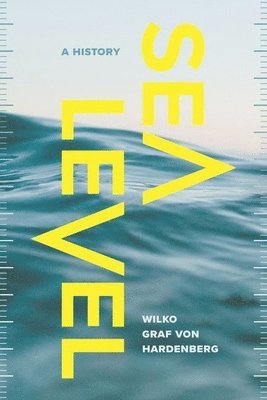
Traces a commonplace average—sea level—from its origins in charting land to its emergence as a symbol of global warming. News reports warn of rising sea levels spurred by climate change. Waters inch ever higher, disrupting delicate ecosystems and threatening island and coastal communities. The baseline for these measurements—sea level—may seem unremarkable, a long-familiar zero point for altitude. But as Wilko Graf von Hardenberg reveals, the history of defining and measuring sea level is intertwined with national ambitions, commercial concerns, and shifting relationships between people and the ocean. Sea Level provides a detailed and innovative account of how mean sea level was first defined, how it became the prime reference point for surveying and cartography, and how it emerged as a powerful mark of humanity’s impact on the earth. With Hardenberg as our guide, we traverse the muddy spaces of Venice and Amsterdam, the coasts of the Baltic Sea, the Panama and Suez canals, and the Himalayan foothills. Born out of Enlightenment studies of physics and quantification, sea level became key to state-sponsored public works, colonial expansion, Cold War development of satellite technologies, and recognizing the climate crisis. Mean sea level, Hardenberg reveals, is not a natural occurrence—it has always been contingent, the product of people, places, politics, and evolving technologies. As global warming transforms the globe, Hardenberg reminds us that a holistic understanding of the ocean and its changes requires a multiplicity of reference points. A fascinating story that revises our assumptions about land and ocean alike, Sea Level calls for a more nuanced understanding of this baseline, one that allows for new methods and interpretations as we navigate an era of unstable seas.
Monastery for the Ibex, A
Conservation, State, and Conflict on the Gran Paradiso, 1919-1949
Inbunden, Engelska, 2021
730 kr
Skickas inom 7-10 vardagar
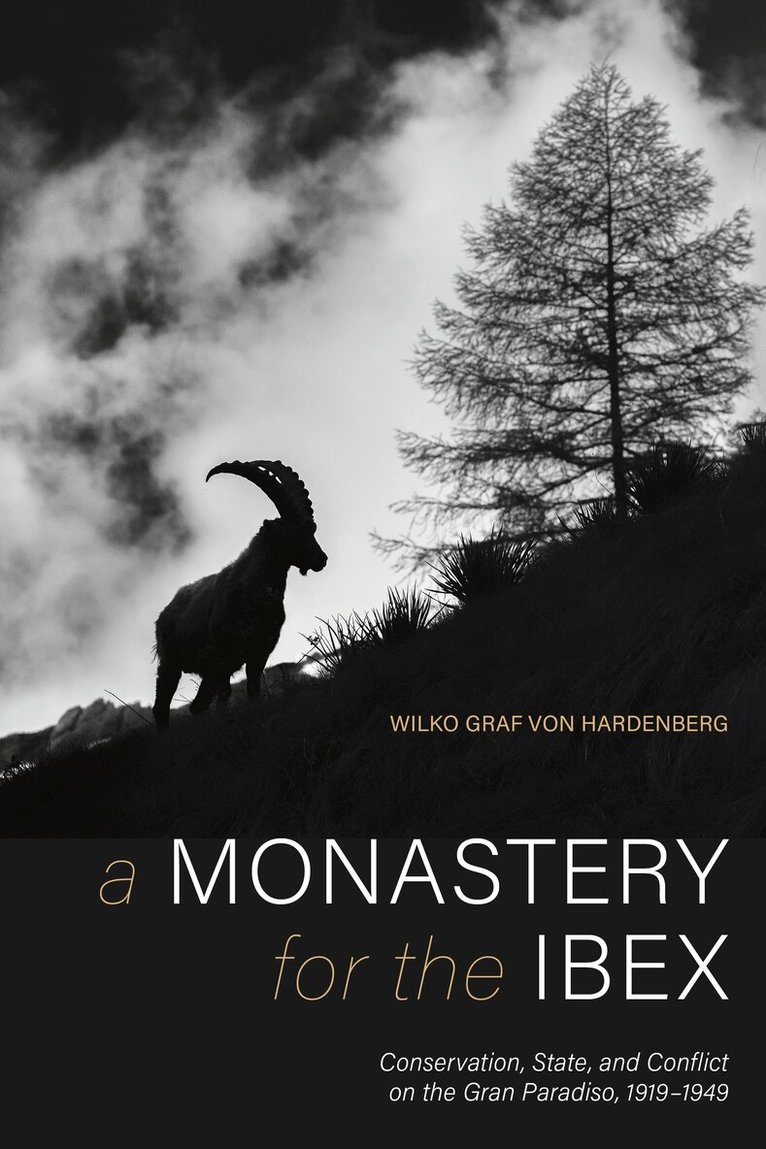
Finalist, 2023 Turku Book AwardGran Paradiso National Park is Italy’s oldest, and was instrumental in preventing the extinction of the Alpine ibex between World War I and just after World War II. Today, there are more than 30,000 ibex living in the Alps, all of which descended from that last colony protected in Gran Paradiso under Mussolini’s rule. Wilko Graf von Hardenberg merges the history of conservation with the area’s social history and Italy’s larger political history to produce a multifaceted narrative about the park as an institution, the conflicts it triggered, and practices adopted to manage the ibex despite hurdles placed by the fascist regime. The book’s central argument is that, in fascist Italy, preservation—propaganda notwithstanding—was a product of the regime’s continuities with the previous liberal system. Italy’s total fascist transformation, accomplished only more than a decade after Mussolini took power, virtually unmade the early successes of preservation set in place by the nascent “nature state” in the regime’s early years. Despite this conflict, conservationists succeeded in preserving the ibex. Hardenberg positions this success within the broader history of science, conservation, and tourism in fascist Italy and the Alpine region, creating a comprehensive historical background and comparative reference to ongoing debates about the role of nature conservation in general and in relation to the state and its agencies.