Will Brehm - Böcker
Visar alla böcker från författaren Will Brehm. Handla med fri frakt och snabb leverans.
6 produkter
6 produkter
2 029 kr
Skickas inom 10-15 vardagar
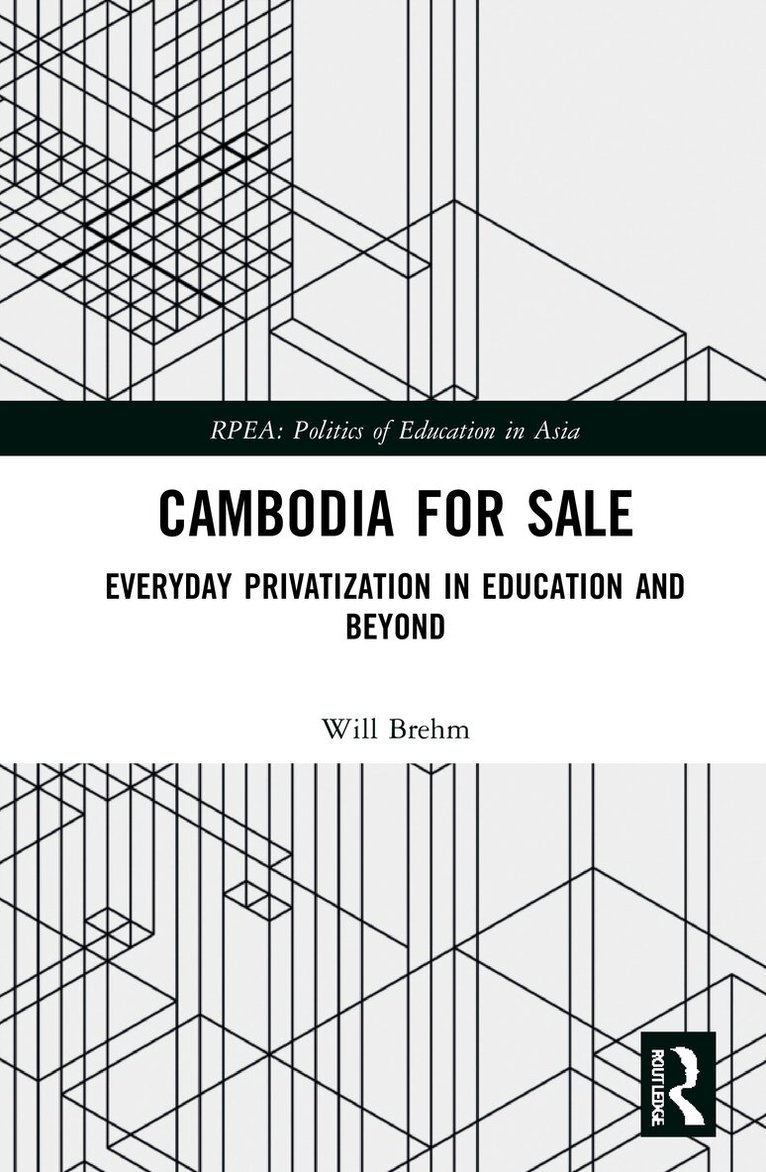
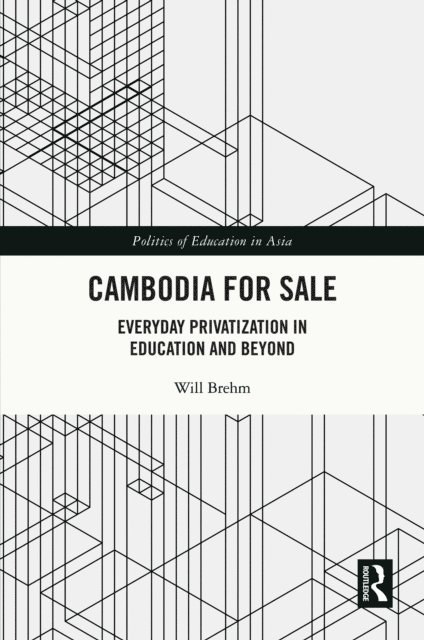
Winner of the Comparative and International Education Society’s Globalization and Education SIG Book AwardCambodia for Sale: Everyday Privatization in Education and Beyond details a post-conflict society that socializes children into a world of private rather than public goods. Despite the government's best efforts since the 1990s to re-constitute a functioning system of public services, life remains organized around buying and selling virtually everything, from humanitarian aid to schooling and from religious good deeds to irrigation. Through an ethnography of one village, Cambodia for Sale argues that efforts to rebuild Cambodia after decades of conflict have resulted in various forms of everyday privatization. Although this is most notable in the education system, these practices of privatization can be found in multiple institutions that constitute social life, from the Buddhist pagoda to local government. The various efforts of international development are as much at fault for this reality as are the legacies of the genocidal Khmer Rouge regime. This argument unfolds through the life stories of six residents of the Preah Go village, who collectively depict everyday life through overlapping village institutions, systems, and histories. This is an insightful and valuable reference for scholars interested in educational development, Southeast Asian studies, and comparative education.
560 kr
Skickas inom 10-15 vardagar
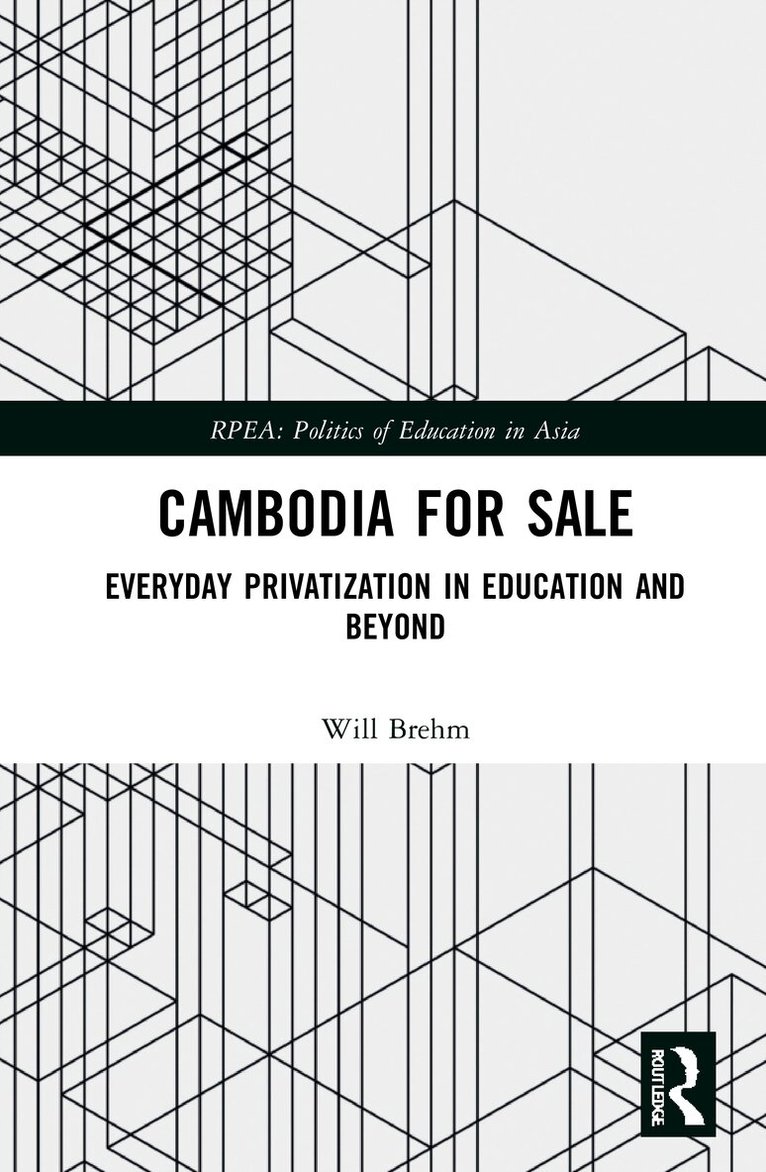
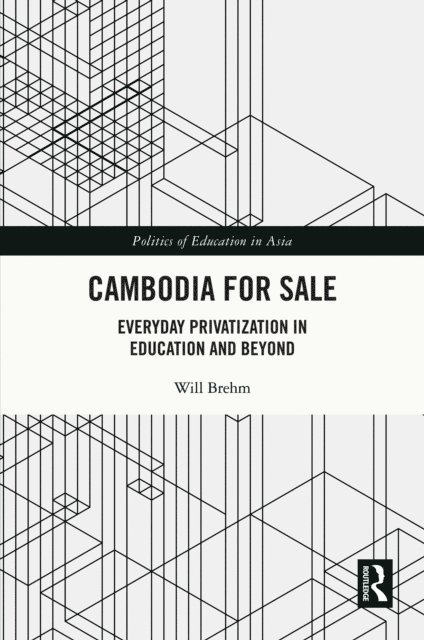
Winner of the Comparative and International Education Society’s Globalization and Education SIG Book AwardCambodia for Sale: Everyday Privatization in Education and Beyond details a post-conflict society that socializes children into a world of private rather than public goods. Despite the government's best efforts since the 1990s to re-constitute a functioning system of public services, life remains organized around buying and selling virtually everything, from humanitarian aid to schooling and from religious good deeds to irrigation. Through an ethnography of one village, Cambodia for Sale argues that efforts to rebuild Cambodia after decades of conflict have resulted in various forms of everyday privatization. Although this is most notable in the education system, these practices of privatization can be found in multiple institutions that constitute social life, from the Buddhist pagoda to local government. The various efforts of international development are as much at fault for this reality as are the legacies of the genocidal Khmer Rouge regime. This argument unfolds through the life stories of six residents of the Preah Go village, who collectively depict everyday life through overlapping village institutions, systems, and histories. This is an insightful and valuable reference for scholars interested in educational development, Southeast Asian studies, and comparative education.
Memory in the Mekong
Regional Identity, Schools, and Politics in Southeast Asia
Häftad, Engelska, 2022
518 kr
Skickas inom 7-10 vardagar
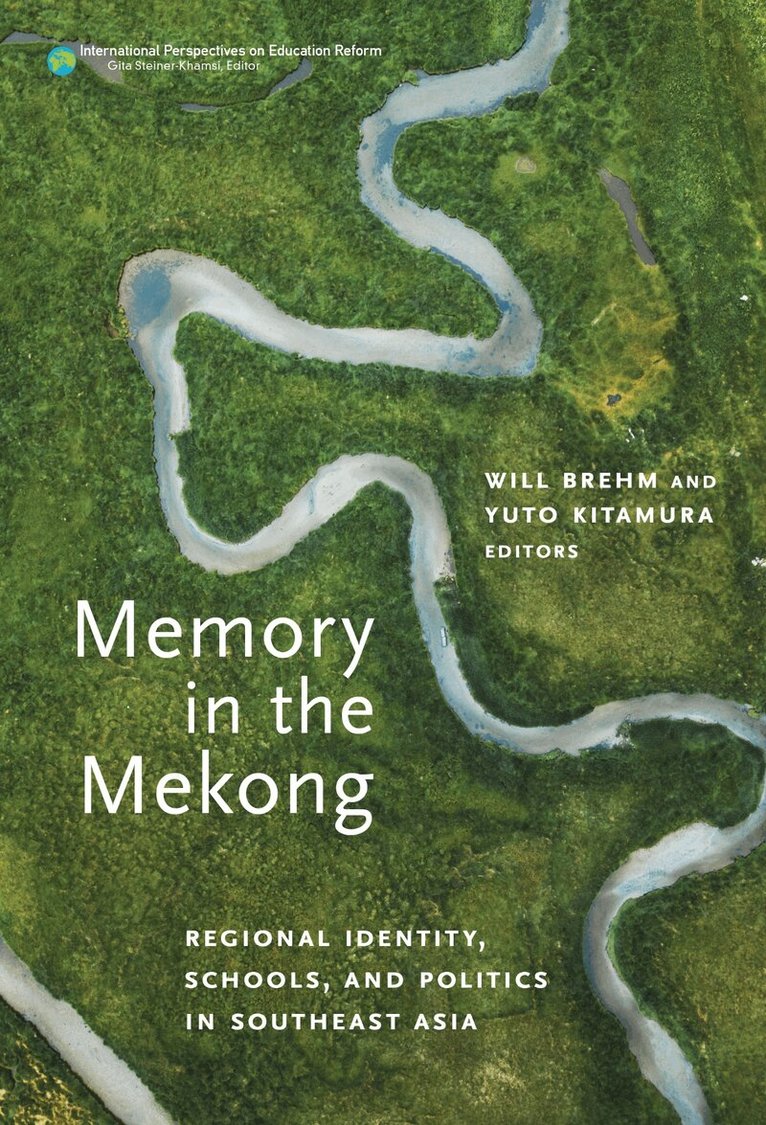
This edited collection explores the possibilities, perils, and politics of constructing a regional identity. The Association of Southeast Asian Nations (ASEAN), a multinational institution comprised of 10 member states, is dedicated to building a Southeast Asian regional identity that includes countries along Southeast Asia’s Mekong River delta: Cambodia, Thailand, Vietnam, Laos, and Myanmar. After successfully establishing an economic community in 2015, where capital and people can freely move across national borders, ASEAN and its partners now aim to develop a sociocultural community that is fully functional in a wide range of sectors by 2025. As part of this vision, ASEAN wishes to construct a regional identity by uniting over 600 million people, which will be achieved partly through national school systems that teach shared histories. In this text, the contributors critically examine the many questions that arise in the face of this significant change: What does an ASEAN identity look like? Is it even possible or desirable to create a common identity across the diverse peoples of Southeast Asia? Given the divergent memories of history, how would a regional identity exist alongside national identity? Memory in the Mekong grapples with these questions by exploring issues of shared history, national identity, and schooling in a region that is frequently underexamined and underrepresented in Western scholarship. Book Features:First comparative study of regional identity and schools in the Mekong. In-depth analysis of UNESCO Bangkok’s Shared Histories project.Use of historical memory theoretical tools to understand identity formation, extending the work on imagined communities.Chapters written by researchers from across the Mekong.
Memory in the Mekong
Regional Identity, Schools, and Politics in Southeast Asia
Inbunden, Engelska, 2022
1 700 kr
Skickas inom 11-20 vardagar
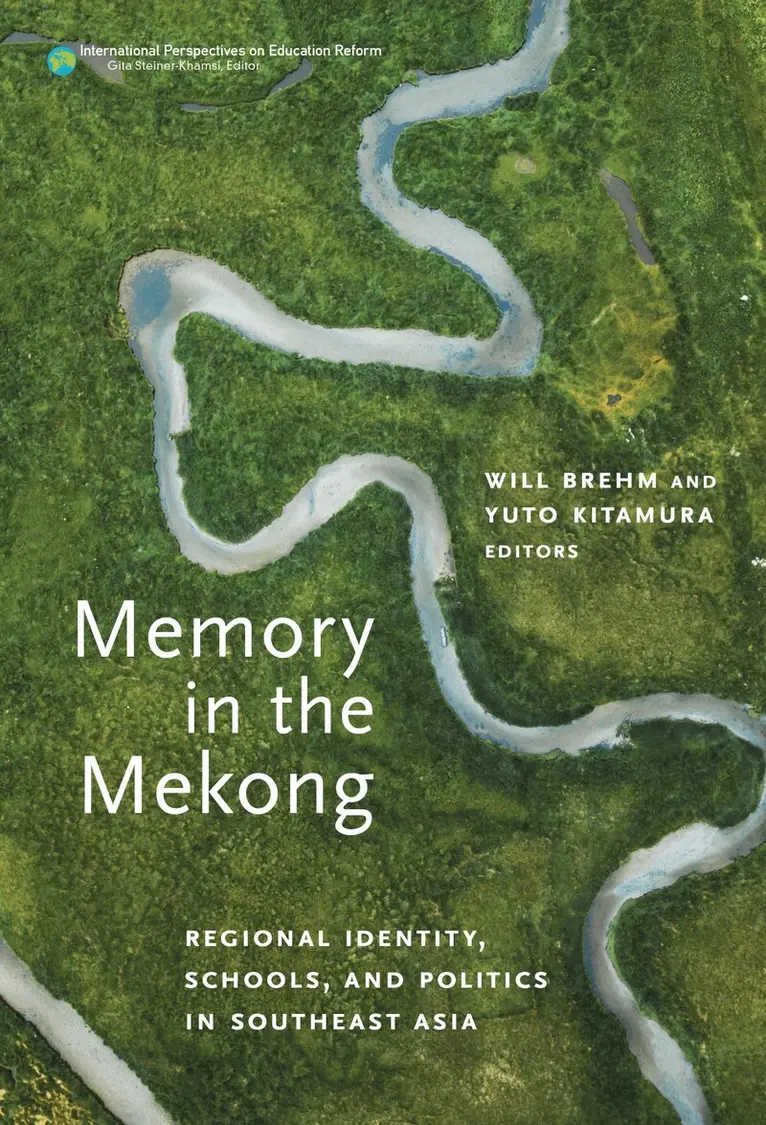
This edited collection explores the possibilities, perils, and politics of constructing a regional identity. The Association of Southeast Asian Nations (ASEAN), a multinational institution comprised of 10 member states, is dedicated to building a Southeast Asian regional identity that includes countries along Southeast Asia’s Mekong River delta: Cambodia, Thailand, Vietnam, Laos, and Myanmar. After successfully establishing an economic community in 2015, where capital and people can freely move across national borders, ASEAN and its partners now aim to develop a sociocultural community that is fully functional in a wide range of sectors by 2025. As part of this vision, ASEAN wishes to construct a regional identity by uniting over 600 million people, which will be achieved partly through national school systems that teach shared histories. In this text, the contributors critically examine the many questions that arise in the face of this significant change: What does an ASEAN identity look like? Is it even possible or desirable to create a common identity across the diverse peoples of Southeast Asia? Given the divergent memories of history, how would a regional identity exist alongside national identity? Memory in the Mekong grapples with these questions by exploring issues of shared history, national identity, and schooling in a region that is frequently underexamined and underrepresented in Western scholarship. Book Features:First comparative study of regional identity and schools in the Mekong. In-depth analysis of UNESCO Bangkok’s Shared Histories project.Use of historical memory theoretical tools to understand identity formation, extending the work on imagined communities.Chapters written by researchers from across the Mekong.
560 kr
Skickas inom 10-15 vardagar
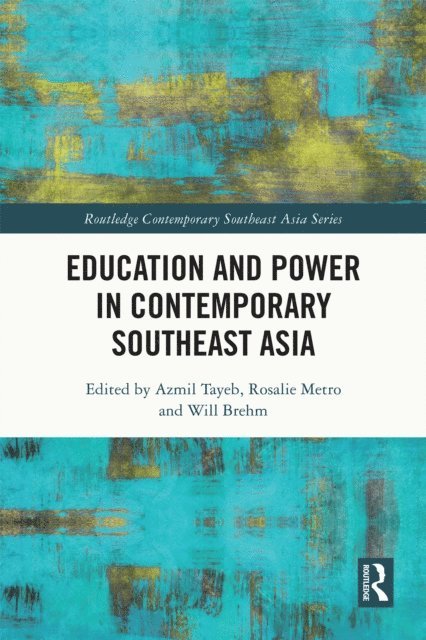
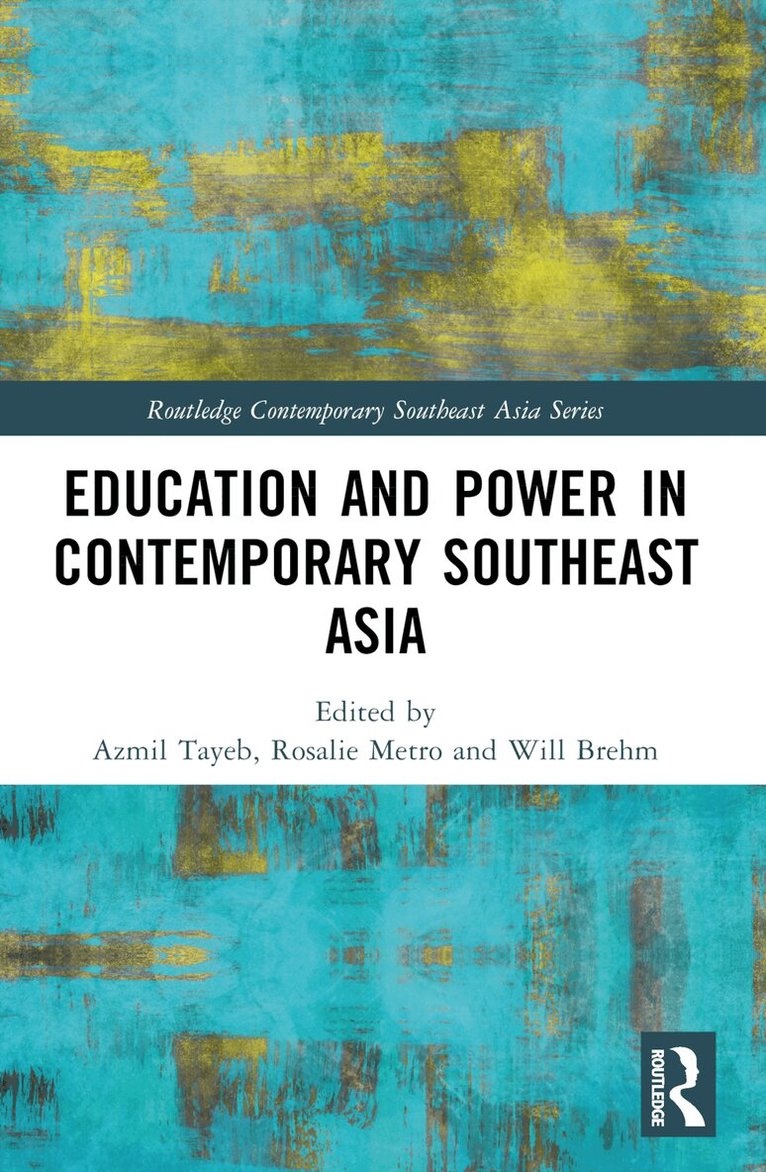
This book focuses on education and power in Southeast Asia and analyzes the ways in which education has been instrumentalized by state, non-state, and private actors across this diverse region. The book looks at how countries in Southeast Asia respond to the endogenous and exogenous influences in shaping their education systems. Chapters observe and study the interplay between education and power in Southeast Asia, which offers varying political, social, cultural, religious, and economic diversities. The political systems in Southeast Asia range from near consolidated democracy in Indonesia to illiberal democracy in Singapore and Thailand to the communist regime in Laos to absolute monarchy in Brunei. Structured in three parts, (i) centralization and decentralization, (ii) privatization and marketization, and (iii) equity and justice, these themes are discussed in single-country and/or multi-country studies in the Southeast Asian region.Bringing together scholars from and focused on Southeast Asia, this book fills a gap in the literature on education in Southeast Asia.
2 088 kr
Skickas inom 10-15 vardagar
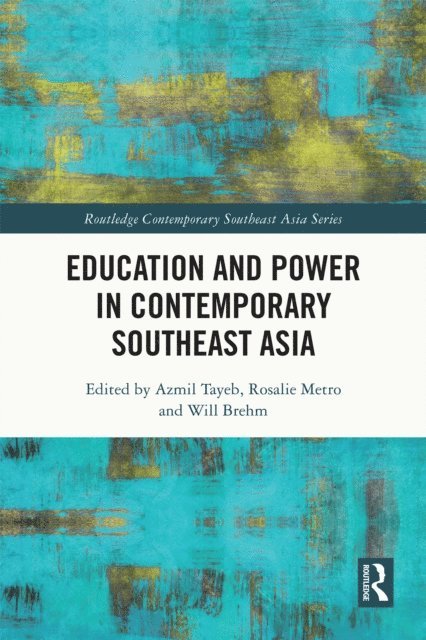
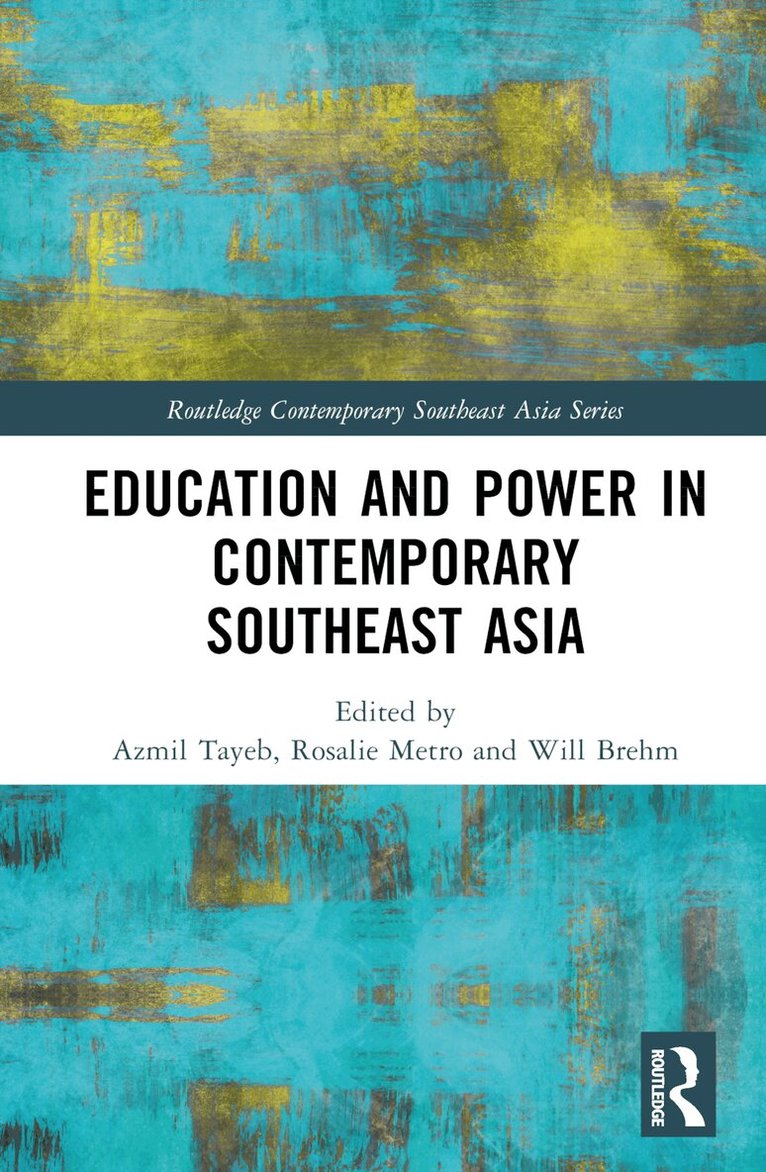
This book focuses on education and power in Southeast Asia and analyzes the ways in which education has been instrumentalized by state, non-state, and private actors across this diverse region. The book looks at how countries in Southeast Asia respond to the endogenous and exogenous influences in shaping their education systems. Chapters observe and study the interplay between education and power in Southeast Asia, which offers varying political, social, cultural, religious, and economic diversities. The political systems in Southeast Asia range from near consolidated democracy in Indonesia to illiberal democracy in Singapore and Thailand to the communist regime in Laos to absolute monarchy in Brunei. Structured in three parts, (i) centralization and decentralization, (ii) privatization and marketization, and (iii) equity and justice, these themes are discussed in single-country and/or multi-country studies in the Southeast Asian region.Bringing together scholars from and focused on Southeast Asia, this book fills a gap in the literature on education in Southeast Asia.