William D. Hoover – författare
Visar alla böcker från författaren William D. Hoover. Handla med fri frakt och snabb leverans.
4 produkter
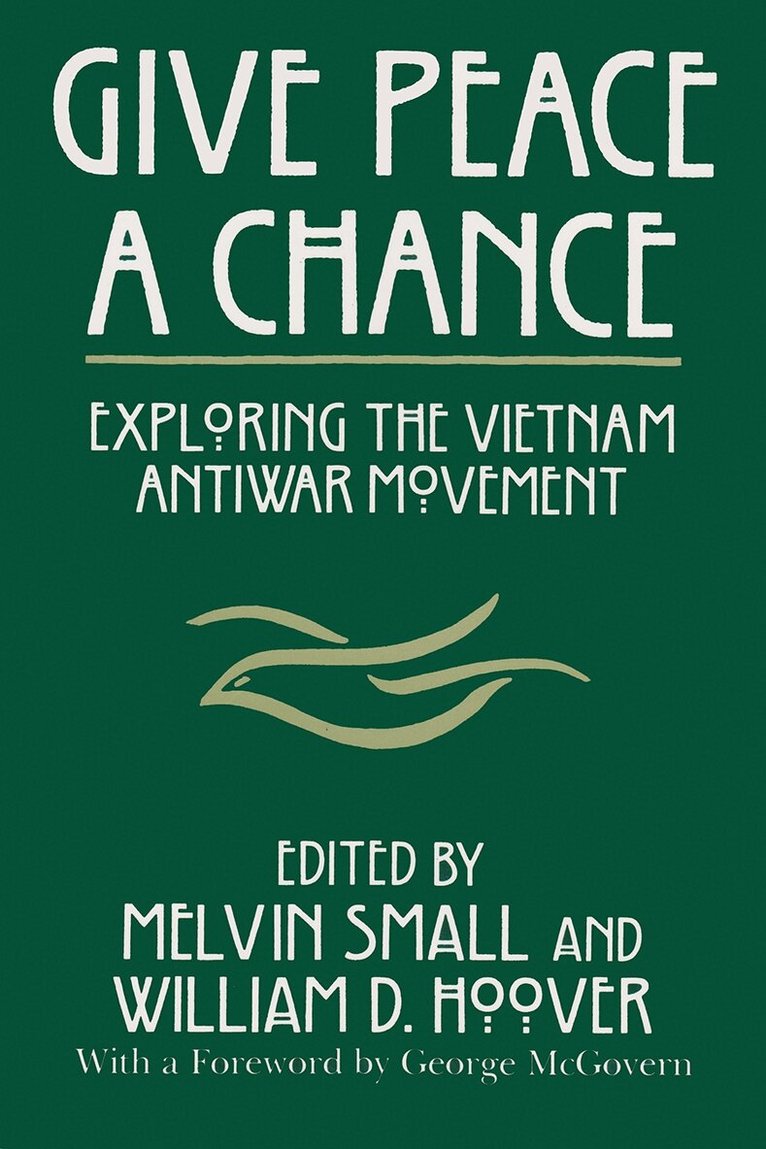
Give Peace a Chance
Exploring the Vietnam Antiwar Movement
Av Melvin Small, Melvin Small m. fl.
Häftad, 1992
217 kr
Lägg i varukorg
This work offers an introduction to the best-known antiwar movement in United States history, written by veterans of the Vietnam War and participants in the movement. It examines how the activities of the movement affected the lives of most Americans.
Historical Dictionary of Postwar Japan
Inbunden, 2018
2043 kr
Lägg i varukorg
Japan is a mix of the old and the new, traditional and modern, and old fashion and innovative. It has traveled the road to a modern destination without totally losing sight of its traditions and values. Although some in Japan lament the passing of old ways, Japan has held on to a reasonable amount …
Historical Dictionary of Postwar Japan
E-bok, 2018
2247 kr
Lägg i varukorg
Japan is a mix of the old and the new, traditional and modern, and old fashion and innovative. It has traveled the road to a modern destination without totally losing sight of its traditions and values. Although some in Japan lament the passing of old ways, Japan has held on to a reasonable amount …
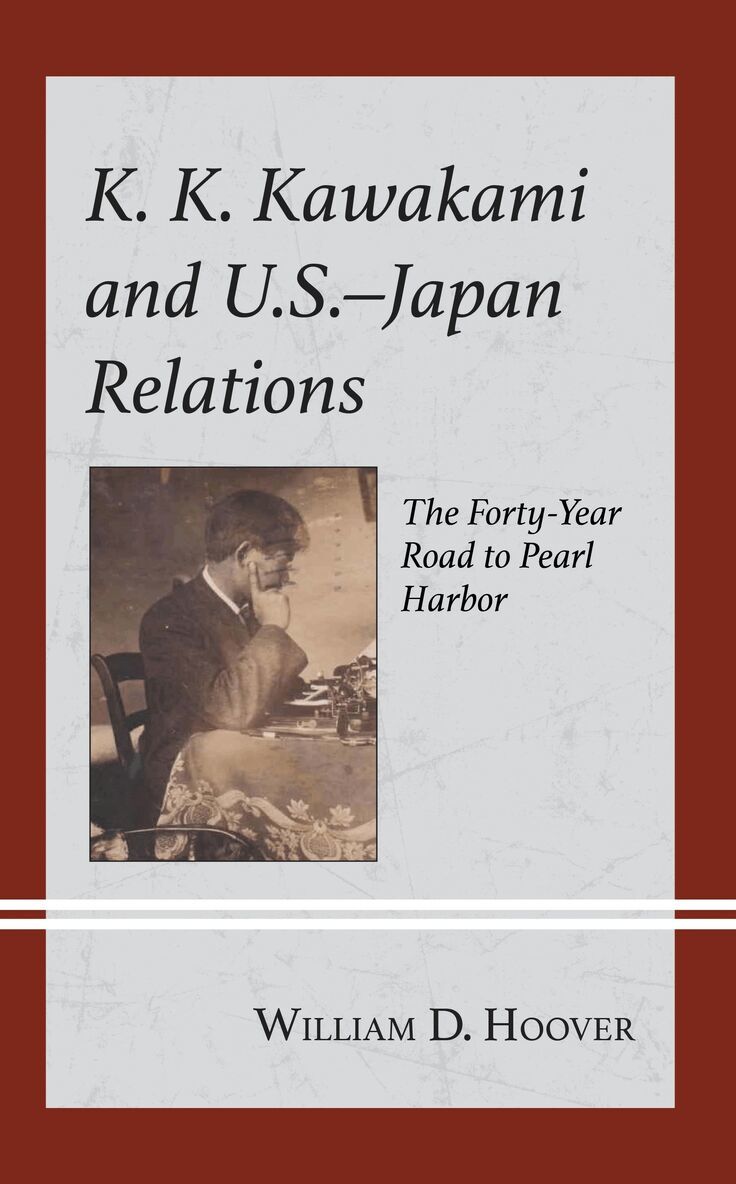
K. K. Kawakami and U.S.-Japan Relations
The Forty-Year Road to Pearl Harbor
Inbunden, 2023
1389 kr
Lägg i varukorg
K. K. Kawakami, the most prolific journalist writing on U.S.-Japan relations in the forty-years before Pearl Harbor, analyzed and described the interaction between the country of his birth and his adopted country. His more than 2,000 publications show a gradual decline in US-Japan relations from …