William Hasker – författare
Visar alla böcker från författaren William Hasker. Handla med fri frakt och snabb leverans.
20 produkter
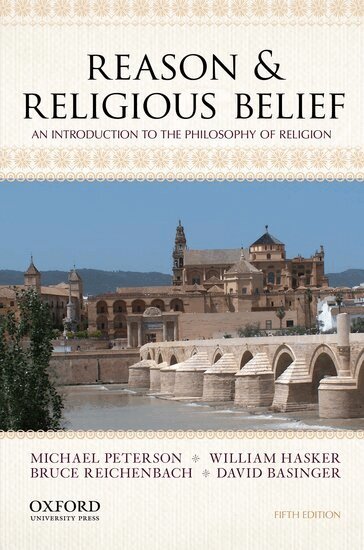
Reason & Religious Belief
An Introduction to the Philosophy of Religion
Av Michael Peterson, William Hasker m. fl.
Häftad, 2012
1327 kr
Lägg i varukorg
Reason and Religious Belief, now in its fifth edition, explores perennial questions in the philosophy of religion. Drawing from the best in both classical and contemporary discussions, the authors examine religious experience, faith and reason, the divine attributes, arguments for and against the …
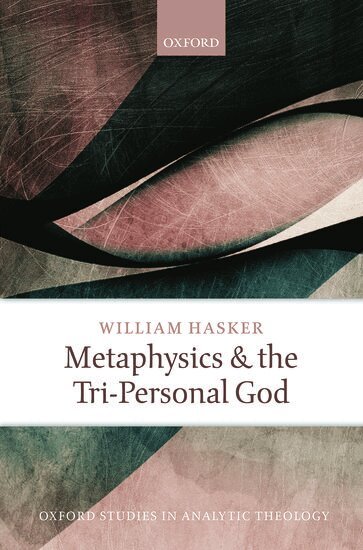
Metaphysics and the Tri-Personal God
E-bok, 2013
569 kr
Lägg i varukorg
This is the first full-length study of the doctrine of the Trinity from the standpoint of analytic philosophical theology. William Hasker reviews the evidence concerning fourth-century pro-Nicene trinitarianism in the light of recent developments in the scholarship on this period, arguing for …
Metaphysics and the Tri-Personal God
Häftad, 2017
634 kr
Lägg i varukorg
This is the first full-length study of the doctrine of the Trinity from the standpoint of analytic philosophical theology. William Hasker reviews the evidence concerning fourth-century pro-Nicene trinitarianism in the light of recent developments in the scholarship on this period, arguing for …
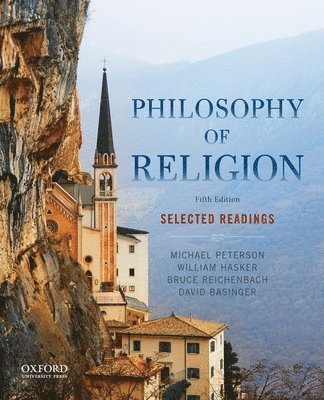
Philosophy of Religion: Selected Readings
Av Michael Peterson, William Hasker
Häftad
1905 kr
Lägg i varukorg
Metaphysics and the Tri-Personal God
Inbunden, 2013
2288 kr
Lägg i varukorg
This is the first full-length study of the doctrine of the Trinity from the standpoint of analytic philosophical theology. William Hasker reviews the evidence concerning fourth-century pro-Nicene trinitarianism in the light of recent developments in the scholarship on this period, arguing for …
Providence, Evil and the Openness of God
Häftad, 2013
1078 kr
Lägg i varukorg
Providence, Evil and the Openness of God is a timely exploration of the philosophical implications of the rapidly-growing theological movement known as open theism, or the 'openness of God'. William Hasker, one of the philosophers prominently associated with this movement, presents the strengths of …
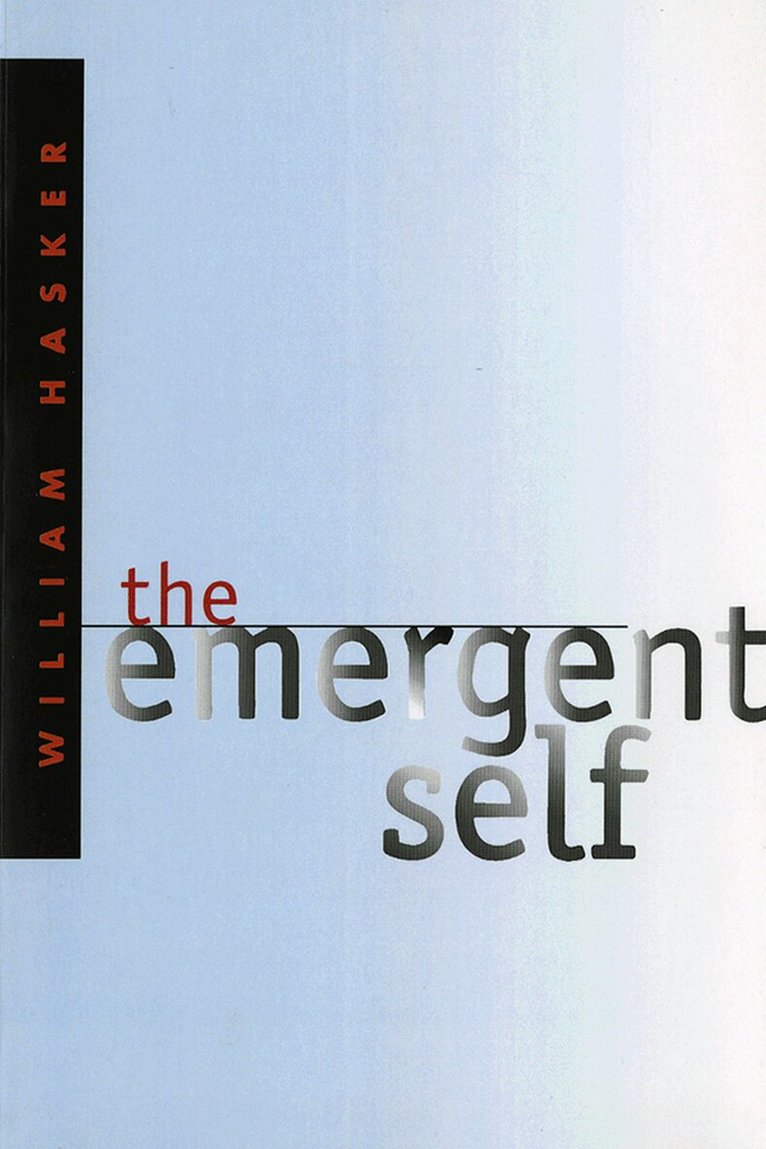
Emergent Self
Inbunden, 1999
713 kr
Lägg i varukorg
In The Emergent Self, William Hasker joins one of the most heated debates in analytic philosophy, that over the nature of mind. His provocative and clearly written book challenges physicalist views of human mental functioning and advances the concept of mind as an emergent individual.Hasker begins …
God, Time, and Knowledge
Häftad, 1998
332 kr
Lägg i varukorg
"This outstanding book... is a genuinely pivotal contribution to the lively current debate over divine foreknowledge and human freedom.... Hasker's book has three commendable features worthy of immediate note. First, it contains a carefully crafted overview of the recent literature on foreknowledge …
Emergent Self
Häftad, 2001
417 kr
Lägg i varukorg
In The Emergent Self, William Hasker joins one of the most heated debates in analytic philosophy, that over the nature of mind. His provocative and clearly written book challenges physicalist views of human mental functioning and advances the concept of mind as an emergent individual.Hasker begins …
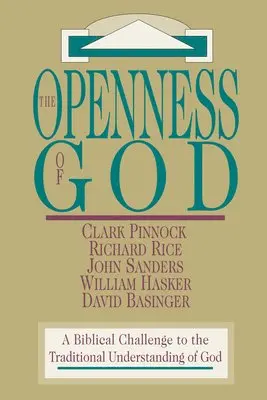
Openness of God – A Biblical Challenge to the Traditional Understanding of God
Av Clark H. Pinnock, Richard Rice m. fl.
Häftad, 1994
5,0 utav 5 stjärnor. Totalt antal röster: (1)
329 kr
Lägg i varukorg
Voted one of Christianity Today's Books of the Year The Openness of God presents a careful and full-orbed argument that the God known through Christ desires "responsive relationship" with his creatures. While it rejects process theology, the book asserts that such classical doctrines as God's …
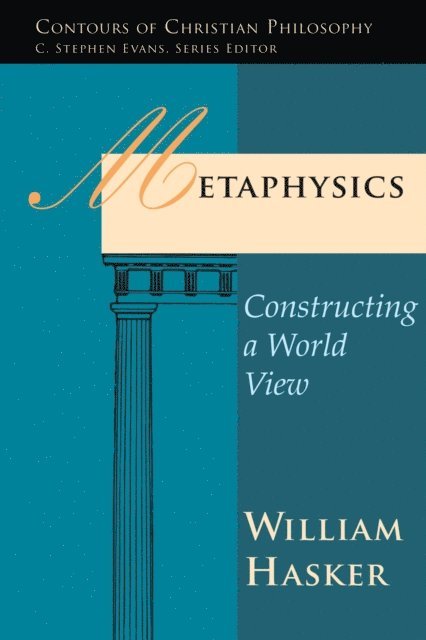
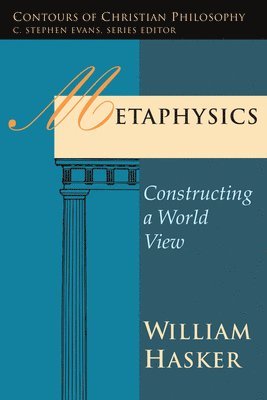
Metaphysics
E-bok, 2016
227 kr
Lägg i varukorg
What is ultimately real? What is God like? Do human beings have minds and souls or only brains in bodies? Are humans free agents or are all human acts determined by prior circumstances? Through insightful analysis and careful evaluation, William Hasker helps readers answer these questions and …
Providence, Evil and the Openness of God
E-bok, 2021
901 kr
Lägg i varukorg
Providence, Evil and the Openness of God is a timely exploration of the philosophical implications of the rapidly-growing theological movement known as open theism, or the ''openness of God''. William Hasker, one of the philosophers prominently associated with this movement, presents the strengths …
Providence, Evil and the Openness of God
E-bok, 2021
901 kr
Lägg i varukorg
Providence, Evil and the Openness of God is a timely exploration of the philosophical implications of the rapidly-growing theological movement known as open theism, or the ''openness of God''. William Hasker, one of the philosophers prominently associated with this movement, presents the strengths …
God in an Open Universe
Science, Metaphysics, and Open Theism
Av William Hasker, Thomas Jay Oord m. fl.
Inbunden, 2011
444 kr
Lägg i varukorg
God in an Open Universe
Science, Metaphysics, and Open Theism
Av William Hasker, Thomas Jay Oord m. fl.
Häftad, 2011
282 kr
Lägg i varukorg
God in an Open Universe
Science, Metaphysics, and Open Theism
Av Dean Zimmerman, Thomas Jay Oord m. fl.
E-bok, 2011
416 kr
Lägg i varukorg
Since its inception, the discussion surrounding Open Theism has been dominated by polemics. On crucial philosophical issues, Openness proponents have largely been devoted to explicating the underlying framework and logical arguments supporting their perspective against competing theological and …
Providence, Evil and the Openness of God
Inbunden, 2004
1459 kr
Tillfälligt slut
Providence, Evil and the Openness of God is a timely exploration of the philosophical implications of the rapidly-growing theological movement known as open theism, or the 'openness of God'. William Hasker, one of the philosophers prominently associated with this movement, presents the strengths of …
Förnuft och religiös tro : En inledning till religionsfilosofin
Av Michael Peterson, William Hasker m. fl.
Häftad, 1997
254 kr
Tillfälligt slut
Finns en allsmäktig, allvetande gudom? Kan existensen av en god Gud förenas med existensen av det onda? Är religion och vetenskap förenliga? Dessa är några av de många eviga frågor som behandlas i Förnuft och religiös tro, en inledning till såväl klassiska som samtida motiv inom religionsfilosofin. …