William I. Zartman - Böcker
Visar alla böcker från författaren William I. Zartman. Handla med fri frakt och snabb leverans.
2 produkter
2 produkter
681 kr
Skickas inom 5-8 vardagar
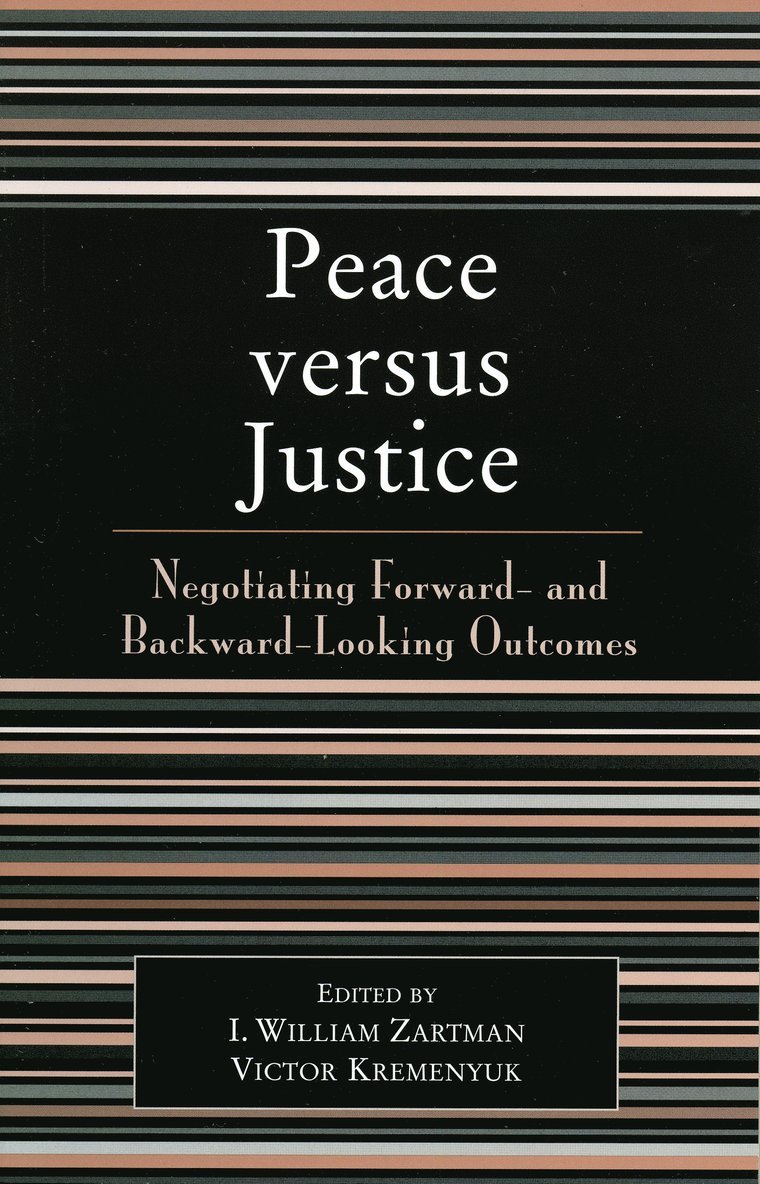
This book examines the costs and benefits of ending the fighting in a range of conflicts, and probes the reasons why negotiators provide, or fail to provide, resolutions that go beyond just "stopping the shooting." What is the desired and achievable mix between negotiation strategies that look backward to end current hostilities and those that look ahead to prevent their recurrence?To answer that question, a wide range of case studies is marshaled to explore relevant peacemaking situations, from the end of the Thirty Years' War and the Napoleonic Wars, to more recent settlements of the late 20th and early 21st centuries—including large scale conflicts like the end of WW II and smaller scale, sometimes internal conflicts like those in Cyprus, Armenia and Azerbaijan, and Mozambique. Cases on Bosnia and the Middle East add extra interest.Published in cooperation with the International Institute for Applied Systems Analysis, this important research is expertly edited by renowned conflict scholars I. William Zartman and Victor Kremenyuk, and includes original case studies from scholars and practitioners around the globe including Janice Gross Stein, Daniel Druckman, and Beth Simmons, among many others.
808 kr
Skickas inom 10-15 vardagar
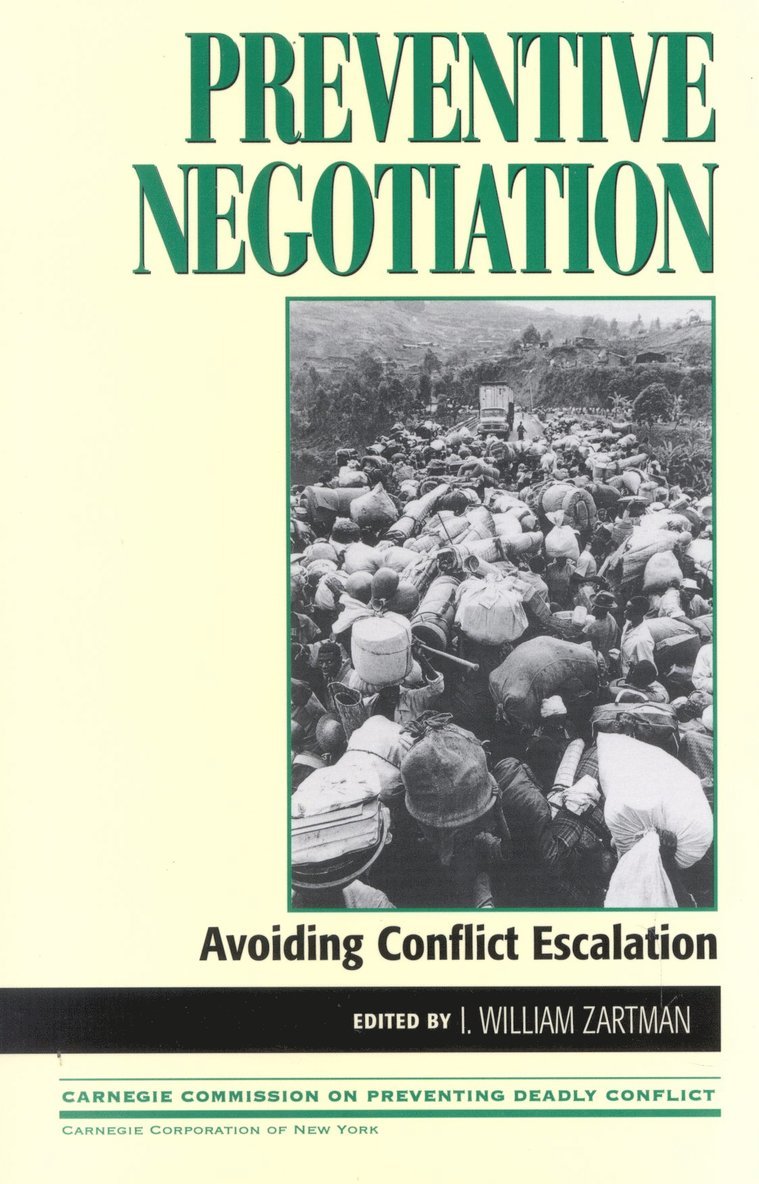
Negotiation lies at the core of preventive diplomacy. This study is unusual in approaching preventive diplomacy by issue areas: it looks at the way in which preventive negotiation has been practiced, notes its characteristics, and then suggests how lessons can be transferred from one area to another, but only when particular conditions warrant such a transfer. The distinguished contributing authors treat eleven issues: boundary problems, territorial claims, ethnic conflict, divided states, state disintegration, cooperative disputes, trade wars, transboundary environmental disputes, global natural disasters, global security conflicts, and labor disputes. The editor's conclusion draws out general themes about the nature of preventive diplomacy.