William J. Nichols - Böcker
Visar alla böcker från författaren William J. Nichols. Handla med fri frakt och snabb leverans.
3 produkter
3 produkter
1 698 kr
Skickas inom 10-15 vardagar
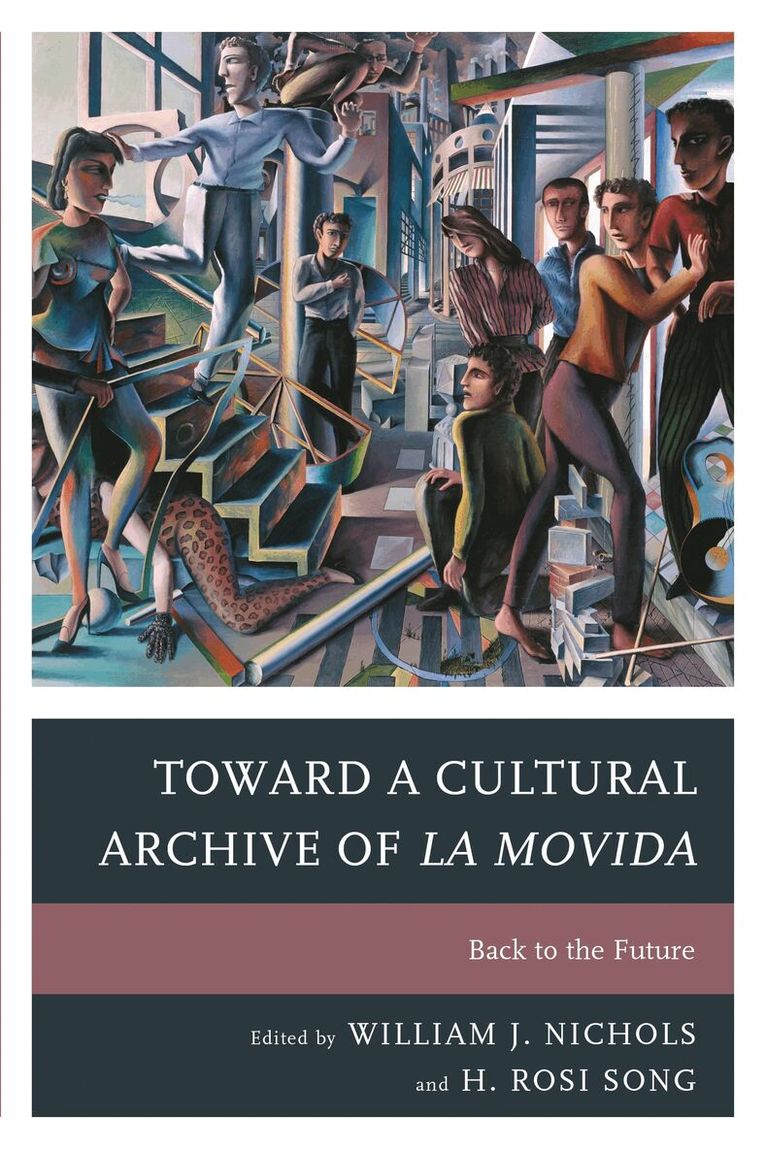
Toward a Cultural Archive of la Movida revisits the cultural and social milieu in which laMovida, an explosion of artistic production in the late 1970s and early 1980s, was articulated discursively, aesthetically, socially, and politically. We connect this experience with a broader national and international context that takes it beyond the city of Madrid and outside the borders of Spain. This collection of essays links the political and social undertakings of this cultural period with youth movements in Spain and other international counter-cultural or underground movements. Moving away from biographical experiences or the identification of further participants and works that belong to laMovida, the articles collected in this volume situate this movement within the political and social development of post-Franco Spain. Finally, it also offers a reading of recent politically motivated recoveries of this cultural phenomenon through exhibitions, state sponsored documentaries, musicals, or tourist itineraries.The perception of Spain as representative of a successful dual transition from dictatorship to democracy and free market capitalism created a “Spanish model” that has been emulated in countries like Portugal, Argentina, Chile and Hungary, all formerly ruled by totalitarian regimes. While social scientists study the promises, contradictions and failures of the Spanish Transición—especially on issues of memory, repression, and (the lack of) reconciliation —our approach from the humanities offers another vantage point to a wider discussion of an unfinished chapter in recent Spanish history by focusing on laMovida as the “cultural archive” whose cultural transitions parallel the political and economic ones. The transgressive, urban nature of this movement demonstrated an overt desire, especially among Spanish youth, to reach onto a global arena emulating the punk and new wave aesthetic of such cities as London, New York, Paris, and Berlin. Art, design, film, music, fashion during this period helped to forge a sense of a modern urban identity in Spain that also reflected the tensions between modernity and tradition, global forces and local values, international mass media technology and regional customs.
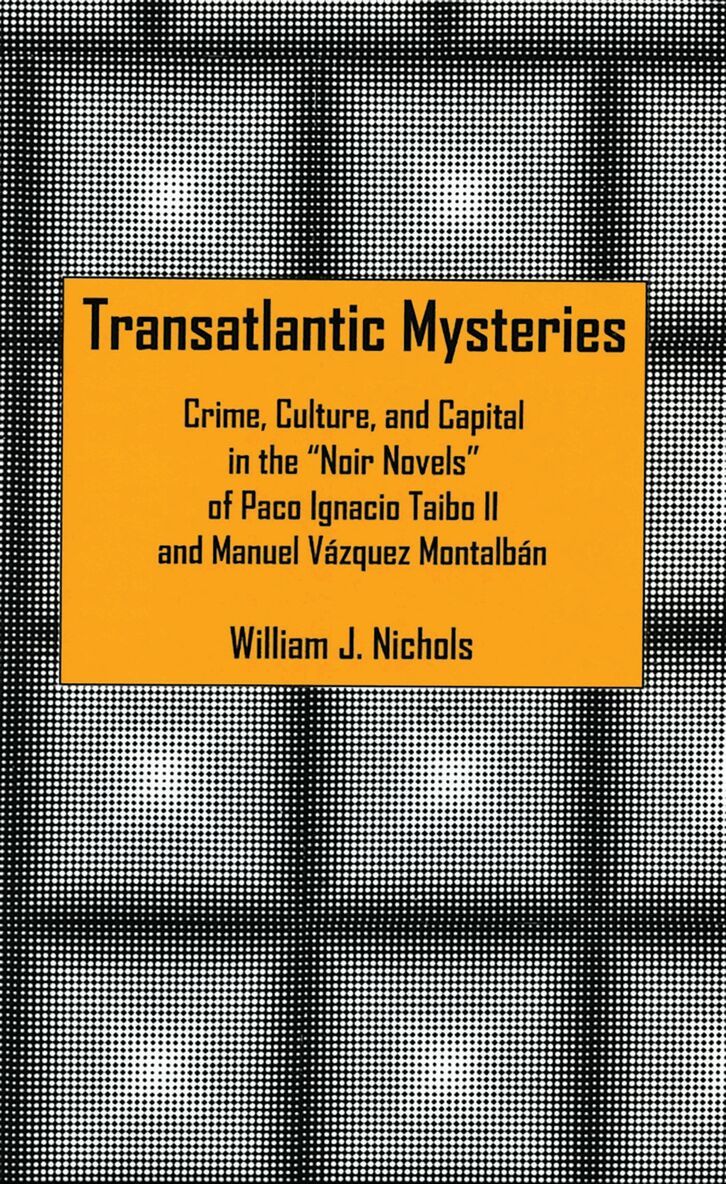
Transatlantic Mysteries
Crime, Culture, and Capital in the 'Noir Novels' of Paco Ignacio Taibo II and Manuel Vázquez Montalbán
Inbunden, Engelska, 2010
1 314 kr
Skickas inom 10-15 vardagar
Transatlantic Mysteries presents a comparative study that brings together authors Paco Ignacio Taibo II and Manuel Vázquez Montalbán —from two specific political contexts: post-1968 Mexico and post-Franco Spain— who both work in one specific genre—"noir" detective fiction. In this so called age of globalization, Spain and Mexico have witnessed an explosion in the production of "noir" detective fiction which these authors choose purposefully in order to infiltrate the market with formulaic "popular" literature while simultaneously critiquing the effects of the neoliberal strategies embraced by their countries. By locating themselves at the crossroads where literature meets the market, they not only underscore the effects of capital on literary and cultural production but also explore the possibility for their writing to resist the influences of capital and question the role of an intellectual in an era of globalization. At the core of their writing Taibo and Vázquez Montalbán examine the revolutionary possibilities of literature and popular culture to offer a new kind of Marxist project that revitalizes the Left by redefining the role of socially engaged literature in a globalized landscape.
928 kr
Skickas inom 10-15 vardagar
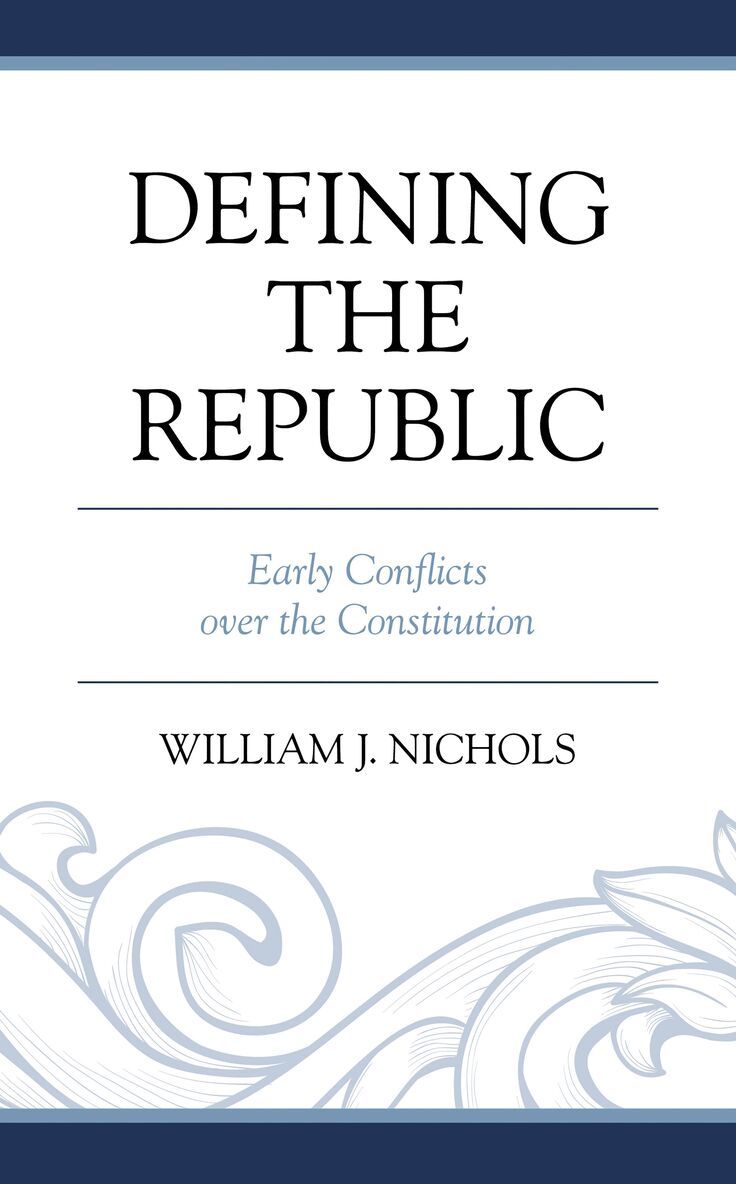
Debate over the meaning and purpose of the grand experiment called the United States has existed since its inception. Alexander Hamilton and James Madison worked closely together to achieve the ratification of the Constitution, which both considered essential for the survival of the United States. However, within just a few years of the Constitution’s ratification, they became bitter political enemies as the pair disagreed about what the United States should be like under the new Constitution, specifically how to interpret the Constitution they both worked to create and support.Defining the Republic: Early Conflicts over the Constitution documents, through presentation of their own words, that these two essential early Americans simply had different expectations all along. Expectations that went unexamined during the frenetic times in which the Constitution was written, debated, and ratified.It is to their differences that Americans today can look in order to better understand the history of the United States, as well as current debates over politics and life in general in the country Hamilton and Madison helped to create.